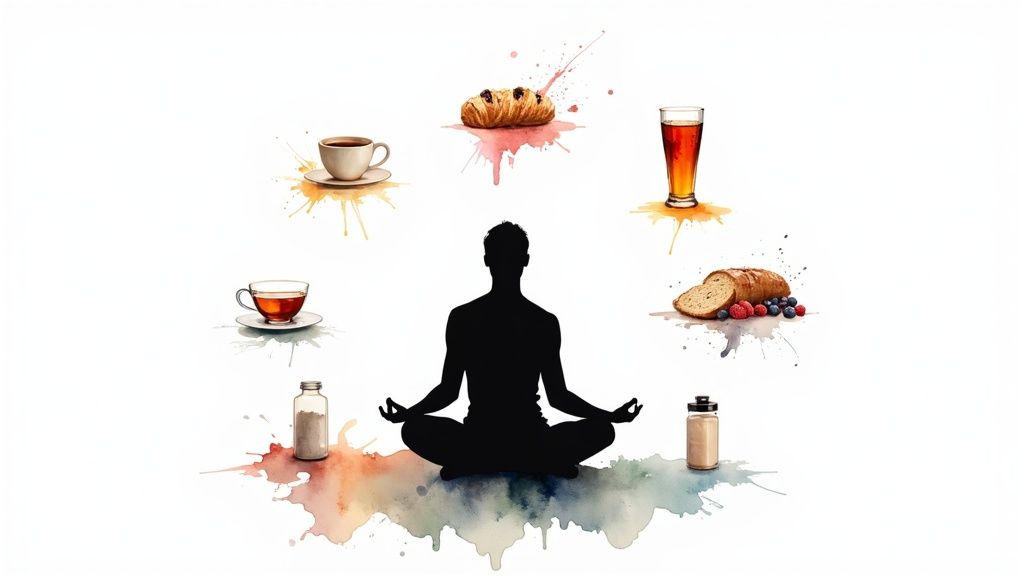
Feeling trapped in a cycle of worry, racing thoughts, and panic? It can feel isolating and relentless, but you are not alone, and there is immense hope for a calmer, panic-free future. While managing anxiety often involves therapy and lifestyle changes, groundbreaking research continues to reveal a powerful connection between what we eat and how we feel. Your journey toward lasting peace can begin with a simple, empowering step: understanding the link between anxiety and foods to avoid.
This is not about restrictive dieting or eliminating joy from your meals. Instead, it’s about making strategic, informed choices that support your brain’s chemistry, stabilize your blood sugar, and reduce the physical symptoms that can trigger or worsen the anxiety loop. Think of your plate as a tool for resilience. By identifying and minimizing certain ingredients, you can build a nutritional foundation that actively works to soothe your nervous system rather than agitate it.
This guide serves as your practical roadmap to reclaiming control, one meal at a time. We will explore eight specific categories of foods and ingredients that can act as hidden anxiety triggers. More importantly, we'll equip you with actionable swaps and simple strategies to build a diet that nourishes your mind. By learning how your food choices impact your mental state, you can begin to dismantle the cycle of anxiety and pave a clear path toward tranquility and well-being.
1. Caffeine and High-Stimulant Beverages
For many, a morning cup of coffee is a non-negotiable ritual. However, for those managing anxiety, this daily habit might be subtly undermining their efforts to find calm. Caffeine is a powerful central nervous system stimulant, meaning it directly activates your body's "fight or flight" response, a system that is often already in overdrive when you live with chronic anxiety. This is a crucial connection to understand when considering anxiety and foods to avoid.
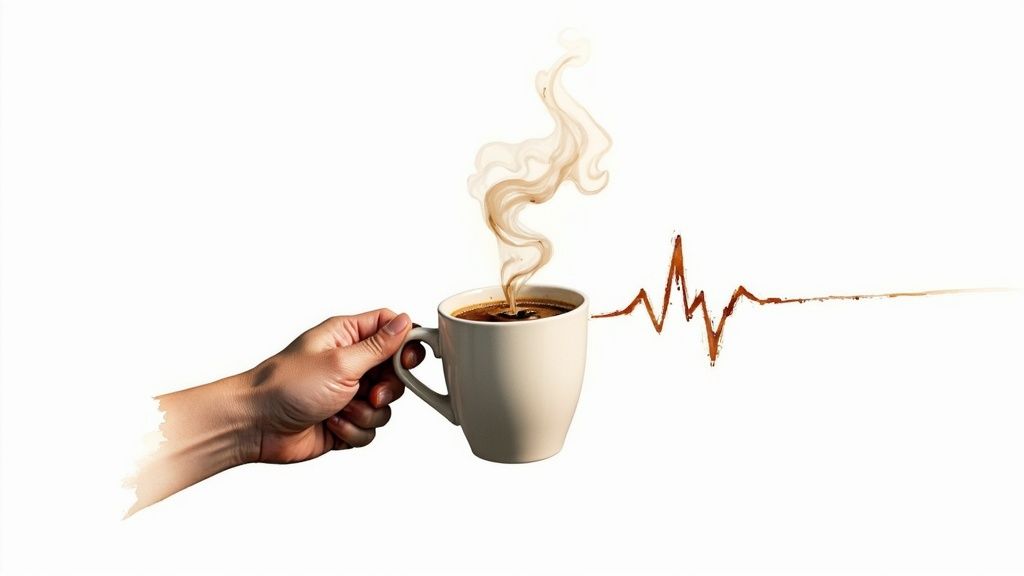
When you consume caffeine, it blocks adenosine receptors in your brain. Adenosine is a neurotransmitter that promotes relaxation and sleepiness. By inhibiting its effects, caffeine can lead to feelings of alertness but also jitteriness, a racing heart, and restlessness, symptoms that closely mimic a panic attack. This can create a vicious cycle: you feel anxious, struggle to sleep, feel tired the next day, and reach for more caffeine, further fueling the anxiety.
Identifying High-Caffeine Culprits
While coffee is the most obvious source, caffeine hides in many common foods and drinks. Being mindful of these is the first step toward reducing your intake and regaining control.
- Energy Drinks: Beverages like Red Bull or Monster contain extremely high levels of caffeine and other stimulants.
- Espresso and Strong Coffee: A single shot of espresso or a cup of strong-brewed coffee can easily exceed 100mg of caffeine.
- High-Caffeine Teas: Black tea and matcha, while often considered healthier alternatives, still contain significant amounts of caffeine.
- Pre-Workout Supplements: These are designed to provide a major energy jolt and are often packed with stimulants.
- Hidden Sources: Don't forget soda, chocolate (especially dark chocolate), and even some over-the-counter headache medications.
Actionable Tips for Reducing Caffeine
Quitting cold turkey can lead to withdrawal headaches and fatigue, so a gradual approach is often more sustainable and gentler on your system. Gaining control over stimulants is an empowering step on your journey to living panic-free.
- Gradually Taper Down: If you drink three cups of coffee a day, reduce it to two for a week, then one. This minimizes withdrawal symptoms.
- Switch to a Lower-Caffeine Alternative: Try swapping one of your coffees for decaf, green tea (which has less caffeine than black tea), or a caffeine-free herbal tea like chamomile or peppermint.
- Set a Cut-Off Time: Avoid all caffeine after 2 PM to protect your sleep quality, which is vital for anxiety management.
- Understand Your Personal Threshold: Pay close attention to how you feel. For some, even a small amount can trigger symptoms. Knowing your sensitivity is key. You can explore how caffeine fits into the bigger picture and learn more about common anxiety triggers on AnxietyChecklist.com.
2. Refined Sugars and Simple Carbohydrates
The temporary comfort found in a sweet treat can feel like a welcome escape, but for those managing anxiety, it often sets the stage for a cycle of highs and lows. Refined sugars and simple carbohydrates create a rapid spike in blood glucose, which your body counteracts with a surge of insulin. This leads to a subsequent crash, a state of low blood sugar that can trigger the release of stress hormones like cortisol and adrenaline, leaving you feeling shaky, irritable, and on edge. This blood sugar rollercoaster is a critical factor when considering anxiety and foods to avoid.

This physiological response is not just a feeling; it’s a biological storm. The symptoms of a blood sugar crash, such as heart palpitations, dizziness, and difficulty concentrating, are remarkably similar to those of a panic attack. This overlap can create a feedback loop where the physical sensations of the crash are misinterpreted as anxiety, which in turn fuels more genuine anxiety. Breaking this pattern by stabilizing your blood sugar is a foundational step toward achieving a more stable and calm state of mind.
Identifying Sugary and Refined-Carb Culprits
Sugar and simple carbs are pervasive in modern diets, often appearing in foods marketed as healthy. Becoming a savvy label-reader is essential to identify and reduce these anxiety-provoking ingredients.
- Sugary Beverages: Soda, sweetened teas, sports drinks, and fruit juices (even 100% juice) deliver a concentrated dose of sugar.
- Candy and Sweets: Chocolate bars, gummies, and other confectioneries are obvious sources of refined sugar.
- Refined Grain Products: White bread, white rice, pasta, and most crackers are quickly converted to sugar in the body.
- Pastries and Baked Goods: Doughnuts, cookies, cakes, and muffins are typically high in both sugar and refined flour.
- High-Sugar Breakfast Cereals: Many popular cereals, especially those marketed to children, contain more added sugar per serving than a dessert.
Actionable Tips for Stabilizing Blood Sugar
Regaining control over your blood sugar is not about deprivation; it's about making smart, strategic swaps that provide sustained energy and mood stability. Taking these steps can significantly reduce the physical triggers that contribute to anxiety, empowering you on your path to living panic-free.
- Choose Complex Carbohydrates: Opt for whole grains like oats, quinoa, and brown rice, along with legumes and starchy vegetables. Their fiber content slows digestion and prevents blood sugar spikes.
- Pair Carbs with Protein and Fat: Never eat a carbohydrate alone. Adding a source of protein (like nuts or yogurt) or healthy fat (like avocado) helps stabilize blood sugar.
- Read Labels for Added Sugar: Aim for products with less than 5 grams of added sugar per serving. Be mindful of hidden sugars like high-fructose corn syrup and dextrose.
- Maintain Regular Meal Times: Eating balanced meals every 3-4 hours prevents the dramatic blood sugar dips that can trigger anxiety symptoms. You can discover more about the physical symptoms of a panic attack on AnxietyChecklist.com to better understand the connection.
3. Alcohol
It’s a common scenario to reach for a glass of wine or a beer to "take the edge off" after a stressful day. Alcohol’s initial effect is sedating, which can temporarily feel like relief from anxiety. However, this short-term calm comes at a high price, often leading to a significant increase in anxiety hours later, a phenomenon known as "hangxiety." Understanding this rebound effect is vital when considering anxiety and foods to avoid.

Alcohol is a central nervous system depressant that disrupts the delicate balance of neurotransmitters in your brain. It initially enhances the effects of GABA, the brain's primary calming neurotransmitter, which creates that feeling of relaxation. But as your body metabolizes the alcohol, your brain scrambles to readjust, leading to a drop in GABA and a surge in glutamate, an excitatory neurotransmitter. This neurological whiplash can leave you feeling restless, irritable, and with significantly heightened anxiety, often disrupting sleep and setting the stage for a difficult next day.
Identifying Sources of Alcohol
Recognizing all forms of alcohol is key to managing your intake and protecting your mental well-being. It's not just about spirits; even seemingly "lighter" options can contribute to the anxiety cycle.
- Beer and Lagers: These are common culprits due to their social accessibility.
- Wine: Both red and white wine can disrupt sleep and trigger next-day anxiety.
- Spirits: Hard liquors like vodka, whiskey, and gin have a high alcohol concentration.
- Mixed Drinks and Cocktails: These often contain hidden sugars in addition to alcohol, creating a double impact on your system.
- High-Alcohol Energy Drinks: This combination is particularly dangerous, as the stimulant effects can mask alcohol's depressant effects, while exacerbating anxiety.
Actionable Tips for Managing Alcohol Intake
Rethinking your relationship with alcohol can be a transformative step in your journey to live panic-free. A mindful and strategic approach is far more effective than trying to ignore its impact.
- Never Use Alcohol as a Crutch: Using alcohol specifically to manage anxiety symptoms creates a dangerous dependency cycle. Find healthier coping mechanisms instead.
- Set Clear Boundaries: If you choose to drink, limit it to occasional, moderate use. Avoid daily consumption, which can quickly lead to tolerance and dependence.
- Prioritize Hydration and Food: Never drink on an empty stomach. Eating food slows alcohol absorption, and staying hydrated with water can lessen some of its negative physical effects.
- Be Aware of Medication Interactions: Alcohol can have dangerous interactions with many anti-anxiety and antidepressant medications, often increasing sedation or nullifying the medication's benefits. Always consult your doctor.
- Seek Professional Support: If you find it difficult to reduce your alcohol consumption on your own, don't hesitate to seek help. It's a sign of strength, not weakness.
4. High-Sodium and Processed Foods
The convenience of quick, processed meals often comes at a hidden cost to our mental well-being. These foods, typically laden with sodium, preservatives, and unhealthy fats, can significantly impact the systems that regulate our mood and stress response. High sodium intake, in particular, can lead to fluid retention and increased blood pressure, forcing your heart to work harder and putting your body in a state of physical stress that can easily trigger anxiety symptoms. This makes understanding the role of processed foods a key part of any discussion on anxiety and foods to avoid.
Beyond just salt, the combination of additives and trans fats in many processed items contributes to systemic inflammation and disrupts the delicate balance of the gut-brain axis. This disruption can interfere with the production of vital neurotransmitters like serotonin, which is crucial for emotional regulation. When your body is in a constant state of low-grade inflammation and physiological stress, it becomes much more susceptible to feelings of panic, edginess, and unease, creating a challenging environment for anyone striving to live panic-free.
Identifying High-Sodium Culprits
Sodium is a master of disguise, appearing in far more than just the salt shaker. Becoming a savvy label-reader is your best defense against unintentionally overloading your system.
- Instant and Canned Soups: A single serving can often contain more than half of your recommended daily sodium intake.
- Deli Meats and Cured Meats: Items like ham, bacon, and salami are preserved with large amounts of sodium.
- Frozen Dinners: Convenience meals are notorious for their high sodium content, used to preserve flavor and texture.
- Snack Foods: Chips, crackers, and pretzels are classic high-salt offenders.
- Fast Food and Takeout: These meals are engineered for flavor, which often means an abundance of salt and MSG.
- Sauces and Condiments: Ketchup, soy sauce, and salad dressings can quickly add hundreds of milligrams of sodium to an otherwise healthy meal.
Actionable Tips for Reducing Sodium
Taking control of your sodium intake is a powerful and direct way to support your nervous system and reduce the physiological burden that contributes to anxiety. A mindful approach can lead to significant improvements in how you feel.
- Prioritize Home Cooking: Preparing meals from scratch gives you complete control over the ingredients, especially salt.
- Read Nutrition Labels: Aim for items with less than 600mg of sodium per serving, and always check the serving size.
- Choose Fresh or Frozen: Opt for fresh or frozen vegetables over canned versions, which are often packed in salt-heavy brine.
- Swap Deli Meats: To further manage your sodium intake, exploring options like finding the best low-sodium cold cuts can make a big difference in sandwiches and salads.
- Season with Herbs and Spices: Replace the salt shaker with flavorful alternatives like garlic powder, onion powder, paprika, oregano, and fresh herbs.
- Rinse Canned Goods: If you use canned beans or vegetables, rinsing them thoroughly under water can remove a significant amount of sodium. You can discover more impactful lifestyle and diet changes for anxiety management on AnxietyChecklist.com.
5. Trans Fats and Fried Foods
The comfort often associated with fried foods can be misleading, especially for those working to manage their anxiety. These foods, particularly those high in artificial trans fats, can trigger significant inflammation throughout the body and brain. This inflammatory response can disrupt the delicate balance of neurotransmitters like serotonin and dopamine, which are crucial for mood regulation. Understanding this connection is a vital part of learning about anxiety and foods to avoid.

When you consume trans fats, they can accumulate in neural tissue, impairing the function of cell membranes and hindering communication between brain cells. Furthermore, the high-heat cooking process for fried foods creates oxidative stress, depleting your body's antioxidant reserves needed to combat anxiety-related damage. Making conscious choices to reduce these fats is not about deprivation; it's a powerful act of self-care that supports a calmer, more stable mind and reinforces the hope that you can live panic-free.
Identifying Trans Fats and Fried Food Culprits
Trans fats and unhealthily fried foods are common in fast food and processed goods, but they can also appear in home cooking if the wrong fats are used. Being a diligent label-reader and mindful consumer is your best defense.
- Deep-Fried Foods: Classic examples include French fries, onion rings, and fried chicken.
- Margarine and Shortening: Many older recipes and some store-bought products still use these sources of trans fats.
- Store-Bought Baked Goods: Commercially prepared cookies, cakes, and pastries often contain "partially hydrogenated oils" to extend shelf life.
- Fast Food Items: Burgers, fried fish sandwiches, and many other quick-service meals are primary sources.
- Packaged Snack Foods: Potato chips, crackers, and microwave popcorn can be fried in or contain unhealthy oils.
Actionable Tips for Reducing Unhealthy Fats
Swapping out harmful fats for healthier alternatives can significantly reduce inflammation and support your mental well-being. This is an empowering step toward taking control of your health and anxiety.
- Read Ingredient Labels: The most important tip is to avoid anything with "partially hydrogenated oils" on the ingredients list.
- Cook at Home: This gives you complete control. Use healthier oils like olive, avocado, or coconut oil for cooking.
- Bake or Air-Fry: Instead of deep-frying, use an air fryer or oven to get a crispy texture with a fraction of the oil.
- Choose Healthier Options When Dining Out: Look for grilled, baked, steamed, or broiled items on the menu instead of fried ones.
- Boost Anti-Inflammatory Fats: Counteract inflammation by increasing your intake of omega-3 rich foods, such as fatty fish (salmon, mackerel), flaxseeds, and walnuts.
6. Artificial Sweeteners and Sugar Substitutes
Reaching for "sugar-free" products might feel like a healthy choice, but for those managing anxiety, artificial sweeteners can be a hidden trigger. These chemical substitutes are designed to mimic the taste of sugar without the calories, yet they can disrupt the delicate balance of your body's internal systems. Understanding their impact is a key part of identifying anxiety and foods to avoid, offering another pathway to reclaiming your sense of calm.
These sweeteners, such as aspartame and sucralose, can activate the same reward pathways in the brain as real sugar. This can lead to increased cravings for sweet things without providing any actual nutritional value or satisfaction, creating a confusing feedback loop for your body. More critically, emerging research suggests a strong link between these additives, the gut microbiome, and mental health, highlighting a connection that is often overlooked.
Identifying Common Artificial Sweeteners
Artificial sweeteners are prevalent in diet, "zero-sugar," and low-calorie products. Learning to spot them on ingredient labels is a crucial skill for anyone looking to reduce their intake and manage anxiety symptoms effectively.
- Diet Sodas and Beverages: Virtually all "diet" or "zero" drinks rely on artificial sweeteners.
- "Sugar-Free" Packaged Goods: This includes candy, gum, yogurts, protein bars, and desserts.
- Common Sweetener Brands: Aspartame (NutraSweet, Equal), Sucralose (Splenda), Saccharin (Sweet'N Low), and Acesulfame potassium (Ace-K) are widespread.
- Sugar Alcohols: Watch for ingredients ending in "-ol," like xylitol, erythritol, and sorbitol, which can cause significant digestive distress and disrupt the gut-brain axis.
Actionable Tips for Reducing Sweeteners
Moving away from artificial sweeteners is not about deprivation; it's about re-training your palate and nourishing your body with whole foods. This gradual shift can empower you to live panic-free by stabilizing your system from the inside out.
- Read All Labels: Make it a habit to check the ingredient list on packaged foods, especially those marketed as "healthy" or "low-calorie."
- Focus on Whole Foods: Satisfy sweet cravings with naturally sweet foods like berries, apples, or a baked sweet potato. These provide fiber and nutrients that support stable blood sugar.
- Use Natural Sweeteners Sparingly: If you need to add sweetness, opt for a small amount of honey, pure maple syrup, or dates. Monk fruit extract is another excellent, non-disruptive alternative.
- Reduce Overall Sweetness: The goal is to gradually decrease your dependence on intense sweetness. Try reducing the amount of any sweetener you use by half, allowing your taste buds to adjust over time.
7. Gluten (in Sensitive Individuals) and Inflammatory Grains
The connection between gut health and mental well-being is a powerful one, and for some individuals, gluten and other inflammatory grains can be a significant hidden trigger for anxiety. For those with celiac disease, non-celiac gluten sensitivity, or a wheat allergy, consuming these proteins sets off an immune response. This can lead to systemic inflammation, which doesn't just stay in the gut; it can cross the blood-brain barrier, contributing to neuroinflammation and potentially worsening symptoms of anxiety and depression. Understanding this gut-brain axis is a key component of managing anxiety and foods to avoid.
When the immune system is chronically activated by inflammatory foods, it can disrupt the production of key neurotransmitters like serotonin, much of which is produced in the gut. This inflammation can also lead to increased intestinal permeability, or "leaky gut," impairing the body's ability to absorb essential nutrients like magnesium and B vitamins, both of which are critical for a stable mood. This creates a cycle where digestive distress and nutritional deficiencies fuel mental health struggles, making it difficult to feel calm and balanced.
Identifying Common Sources of Gluten
Gluten is a protein found in wheat, barley, and rye, and it's notoriously present in many processed foods. Becoming a skilled label-reader is essential if you suspect it might be a problem for you.
- Obvious Sources: Bread, pasta, cereals, conventional baked goods (cakes, cookies, pastries), and crackers are the most common culprits.
- Grains: Wheat in all its forms (including spelt, farro, and durum), barley, and rye.
- Beverages: Beer is a primary source as it is brewed with barley.
- Hidden Sources: Gluten is often used as a filler or binder in products like soy sauce, salad dressings, soups, sauces, and even some processed meats.
Actionable Tips for Navigating Gluten
If you think gluten may be contributing to your anxiety, a systematic approach can help you find answers and relief. The journey to a calmer mind often starts in the kitchen, giving you a tangible way to take control and find hope.
- Consider an Elimination Diet: The most reliable way to test for sensitivity is to completely remove gluten from your diet for at least 3-4 weeks. Monitor your anxiety levels closely to see if they improve.
- Prioritize Whole-Food Swaps: Replace gluten-containing grains with naturally gluten-free alternatives like quinoa, rice, corn, and certified gluten-free oats.
- Check Every Label: Always read ingredient lists on packaged foods. When cooking, ensure all your ingredients are safe. For example, for those new to this, it's helpful to confirm staples are compliant; learning the answer to a question like "Is extra virgin olive oil gluten-free" can provide peace of mind.
- Consult a Professional: Work with a healthcare provider to rule out celiac disease through proper testing before starting a gluten-free diet. You can also explore naturopathic approaches to anxiety, which often focus on dietary and gut-health interventions.
8. Chocolate (High-Caffeine and High-Sugar Varieties)
For many, chocolate is a source of comfort and indulgence, a go-to treat after a long day. While certain types of dark chocolate are touted for their health benefits, for those managing anxiety, this comforting food can be a deceptive trigger. The combination of sugar, caffeine, and another stimulant called theobromine creates a perfect storm that can easily activate your body's stress response, making it a critical item to consider when looking at anxiety and foods to avoid.
The high sugar content in most commercial chocolate products leads to a rapid spike in blood glucose, followed by an inevitable crash. This blood sugar rollercoaster can cause mood swings, irritability, and physical sensations like shakiness and a racing heart, all of which mirror and can intensify feelings of anxiety. Coupled with the stimulating effects of caffeine and theobromine, your nervous system receives mixed signals that can easily push it into an overactive state.
Identifying High-Anxiety Chocolate Culprits
Recognizing where this anxiety-inducing combination lurks is key to managing its impact. It's not just about candy bars; this trio is present in many popular foods.
- Dark Chocolate (70% Cacao and Above): While rich in antioxidants, it contains the highest concentration of caffeine and theobromine.
- Milk Chocolate Bars and Candies: These are loaded with sugar, which can destabilize mood and energy levels.
- Chocolate Desserts: Items like brownies, rich cakes, and mousse deliver a double dose of sugar and stimulants.
- Hot Chocolate and Chocolate Drinks: Often contain high amounts of both sugar and caffeine, especially those from cafes.
- Hidden Sources: Be mindful of chocolate chips in cookies, granola bars, and even some breakfast cereals and yogurts.
Actionable Tips for Managing Chocolate Intake
Gaining awareness of how specific foods impact your body is a powerful step toward reclaiming your sense of calm and living panic-free. You don't necessarily have to eliminate chocolate forever, but managing it wisely is crucial.
- Understand Your Sensitivity: Pay close attention to how you feel after eating chocolate. If you notice increased heart rate or jitters, it may be a significant trigger for you.
- Opt for Lower-Caffeine Options: If you choose to have chocolate, milk chocolate generally contains less caffeine than dark chocolate.
- Limit Your Portion Size: Stick to a small, single serving (less than one ounce) to minimize the stimulating effects.
- Set a Cut-Off Time: Avoid all chocolate and other stimulants after 2 or 3 PM to protect your sleep, which is fundamental for anxiety recovery. This gives your body time to process the stimulants that could otherwise activate your fight or flight response guide on AnxietyChecklist.com.
- Consider a Substitute: Carob is a naturally sweet, caffeine-free alternative that can be used in baking and hot drinks to satisfy a chocolate craving without the anxious side effects.
Comparison of 8 Foods to Avoid for Anxiety
| Item | 🔄 Implementation Complexity | ⚡ Resource Requirements | 📊 Expected Outcomes (⭐) | Ideal Use Cases | 💡 Key advantages / Tips |
|---|---|---|---|---|---|
| Caffeine and High‑Stimulant Beverages | Moderate — common sources require conscious reduction | Low — decaf/herbal swaps; tracking intake | Strongly increases physiological anxiety and disrupts sleep ⭐⭐⭐⭐⭐ | Avoid if anxiety disorder or high sensitivity; occasional low‑dose earlier in day for low‑sensitivity | Limit <100mg/day; avoid after 2 PM; taper gradually |
| Refined Sugars and Simple Carbohydrates | Moderate — hidden sugars widespread; needs label vigilance | Low–Medium — choose whole foods, minor meal planning | Causes blood‑sugar spikes/crashes that worsen mood and anxiety ⭐⭐⭐⭐ | Reduce at meals; pair carbs with protein/fat to stabilize energy | Prefer complex carbs; aim <5g added sugar/serving; maintain regular meals |
| Alcohol | High — social norms and dependence increase difficulty to reduce | Medium — may need substitutes and professional support | Short‑term sedation but rebound anxiety, tolerance, and withdrawal risk ⭐⭐⭐⭐⭐ | Avoid if managing anxiety disorder; occasional non‑dependent use only | Never use as self‑medication; limit frequency; seek help if dependent |
| High‑Sodium and Processed Foods | Low–Moderate — many processed items, but home cooking reduces exposure | Medium — whole‑food shopping and prep time | Elevates stress hormones and may exacerbate anxiety symptoms ⭐⭐⭐ | Replace with fresh/frozen whole foods; reduce processed meal frequency | Choose <600mg/serving; season with herbs; cook simple meals at home |
| Trans Fats and Fried Foods | Moderate — requires ingredient checks and cooking habit changes | Low–Medium — swap oils, use air fryer/baking | Promotes systemic inflammation and long‑term anxiety risk ⭐⭐⭐⭐ | Avoid frequent consumption; choose grilled/baked alternatives | Avoid "partially hydrogenated" oils; use olive/avocado oil; increase omega‑3s |
| Artificial Sweeteners and Sugar Substitutes | Moderate — widespread in "diet" products; requires reducing sweetness preference | Low — substitute with monk fruit/stevia or whole foods | Variable; may alter microbiome and trigger anxiety in sensitive individuals ⭐⭐⭐ | Limit if sensitive or experiencing digestive/behavioral effects | Gradually reduce sweetness; prefer natural alternatives; read labels |
| Gluten (in Sensitive Individuals) and Inflammatory Grains | Variable — simple if sensitivity known; complex if gluten is ubiquitous | Medium — gluten‑free alternatives and label vigilance | High for celiac/non‑celiac sensitive people; low impact for most others ⭐⭐⭐⭐ (conditional) | Eliminate if diagnosed or symptomatic; test via elimination or medical testing | Test for celiac/sensitivity; replace with rice/quinoa/oats (GF); allow 3–4 weeks for response |
| Chocolate (High‑Caffeine and High‑Sugar Varieties) | Low — easy to limit but often habitual | Low — choose low‑caffeine/low‑sugar options or small portions | Moderate — caffeine, theobromine and sugar can trigger jitters and sleep issues ⭐⭐⭐ | Avoid in evenings or if caffeine‑sensitive; small daytime portions acceptable | Limit to <1 oz; choose low‑sugar or milk chocolate; avoid after 2–3 PM |
Your Action Plan for a Fearless, Panic-Free Life
Navigating the landscape of anxiety can often feel like a disorienting, uphill battle. Yet, as we have explored, the food on your plate is one of the most powerful and accessible tools you have to reclaim control. Understanding the intricate connection between anxiety and foods to avoid is not about creating a restrictive, joyless diet. Instead, it is about empowerment, giving you the knowledge to make conscious choices that support your mental and emotional well-being.
You now have a clear roadmap. We've seen how caffeine can mimic the physical sensations of a panic attack, how refined sugars and simple carbs can send your blood sugar on a rollercoaster that destabilizes your mood, and how alcohol’s temporary calm can give way to a significant rebound in anxiety. By becoming mindful of these triggers, you are no longer a passive recipient of anxiety’s whims; you are an active architect of your own peace.
Key Takeaways for Lasting Change
The journey to a calmer mind is built on small, sustainable actions. Perfection is not the goal; consistent, compassionate progress is.
- Awareness is Your First Victory: Simply recognizing how a morning coffee or a sugary snack impacts your feelings is a monumental win. You've moved from unconscious reaction to conscious observation.
- The Gut-Brain Axis is Real: The link between your digestive system and your brain is undeniable. Foods that promote inflammation, like trans fats and fried foods, or disrupt your gut microbiome, like artificial sweeteners, can directly influence your neurotransmitters and stress response.
- Focus on Swaps, Not Deprivation: This is not about eliminating everything you enjoy. It's about making smarter substitutions. Swap that soda for sparkling water with a splash of fruit juice. Trade that sugary cereal for oatmeal with berries. Each positive swap is a deposit into your well-being bank account.
Your Next Steps to a Panic-Free Future
Knowledge is only potential power. Action is where true transformation begins. Armed with this information, here is your practical, three-step plan to get started today.
- Start Small with One Change: Do not overwhelm yourself by trying to change everything at once. Pick just one item from our list of anxiety and foods to avoid to focus on for the next week. Perhaps you reduce your daily coffee intake by one cup or skip the processed, high-sodium snack in the afternoon.
- Observe and Record: This step is crucial. Use a simple journal or the notes app on your phone to track how you feel. Did you notice less jitteriness? Was your afternoon energy more stable? This self-observation creates a powerful feedback loop that reinforces positive changes and helps you identify your unique dietary triggers. This is the foundation of mindful eating for mental health.
- Practice Self-Compassion: You will have days where you eat the sugary donut or have an extra glass of wine. That is okay. This is not a moral failing. Acknowledge it without judgment and simply get back on track with your next meal. Lasting change is not about a perfect record; it is about resilience and the commitment to keep showing up for yourself.
Embracing these principles is your pathway to a life where anxiety no longer dictates your choices, your relationships, or your potential. By managing what you eat, you are sending a powerful message to your nervous system that it is safe, supported, and capable of finding equilibrium. You have the power to build a resilient mind and body, and this journey starts with the very next bite you take. A fearless, panic-free life is not a distant dream; it is an achievable reality, and you have already taken the most important step by seeking this knowledge.
Ready to turn these insights into a structured, personalized action plan? The Anxiety Checklist provides a comprehensive system to help you systematically identify your dietary triggers, implement cognitive strategies, and build a lifestyle that fosters calm. Move beyond just knowing about anxiety and foods to avoid and start building your path to a panic-free life today at The Anxiety Checklist.