If you're reading this, chances are you know the isolating grip of anxiety all too well. It’s that relentless inner critic, the sudden jolt of panic, the constant 'what if' scenarios that shrink your world. It can feel like an unwinnable battle, but it's crucial to understand that healing is not just possible; it’s achievable. You can live a life free from the constant dread of panic.
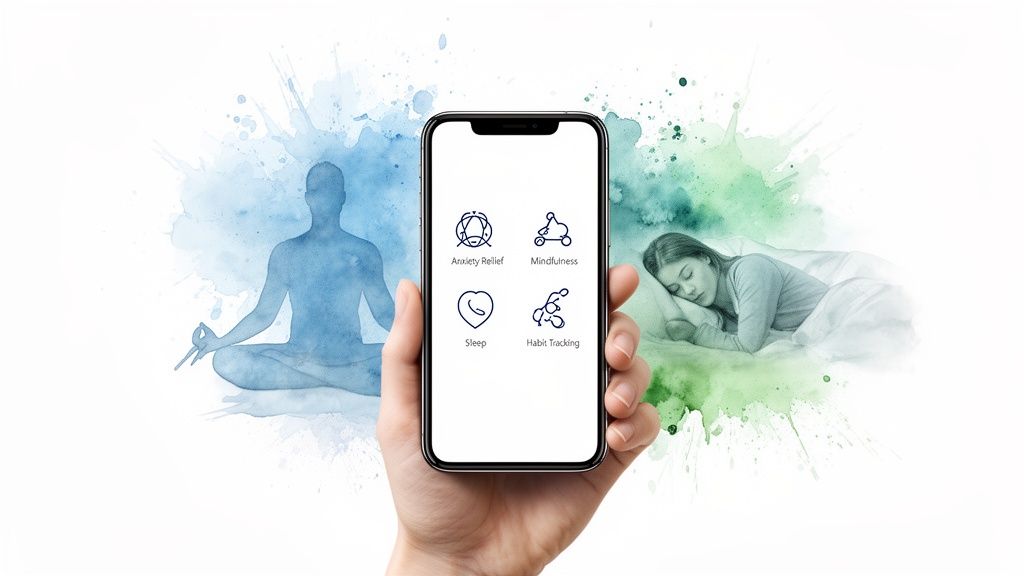
The journey isn't about finding a magic cure, but about building a personalized toolkit of strategies and resources that empower you. Your smartphone, often a source of distraction, can be transformed into a powerful ally on your path to healing. This guide moves beyond surface-level reviews to provide a comprehensive roadmap to the best apps to help with anxiety, each rigorously evaluated for its specific strengths.
We will explore tools designed for:
- Immediate, in-the-moment panic relief
- Long-term cognitive restructuring (CBT)
- Daily mindfulness and meditation
- Improved sleep and habit formation
This isn't just a list; it's a practical resource to help you reclaim your calm. Each entry includes detailed analysis, pros and cons, and direct links with screenshots to help you make an informed choice. While these apps offer structured guidance, understanding the broader principles of how to reduce anxiety naturally provides a holistic foundation for your recovery. Our goal is to equip you with the right digital tools and integrate them into a sustainable healing strategy, giving you tangible hope and actionable steps toward a brighter, panic-free future.
1. The Anxiety Checklist
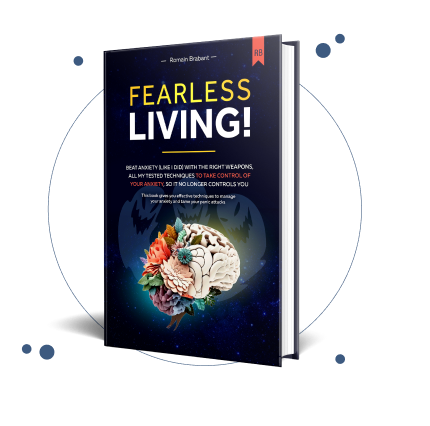
The Anxiety Checklist is not just another app; it’s a comprehensive, self-directed toolkit designed to provide both immediate relief and long-term recovery strategies for chronic anxiety and panic. Created by a 15-year anxiety survivor, Romain, and fortified with expert contributions, this platform stands out by integrating structured learning with practical, in-the-moment tools. It offers a clear, actionable pathway for individuals who feel overwhelmed by their symptoms, grounding its methodology in proven, science-backed techniques and providing a sense of hope that a panic-free life is attainable.
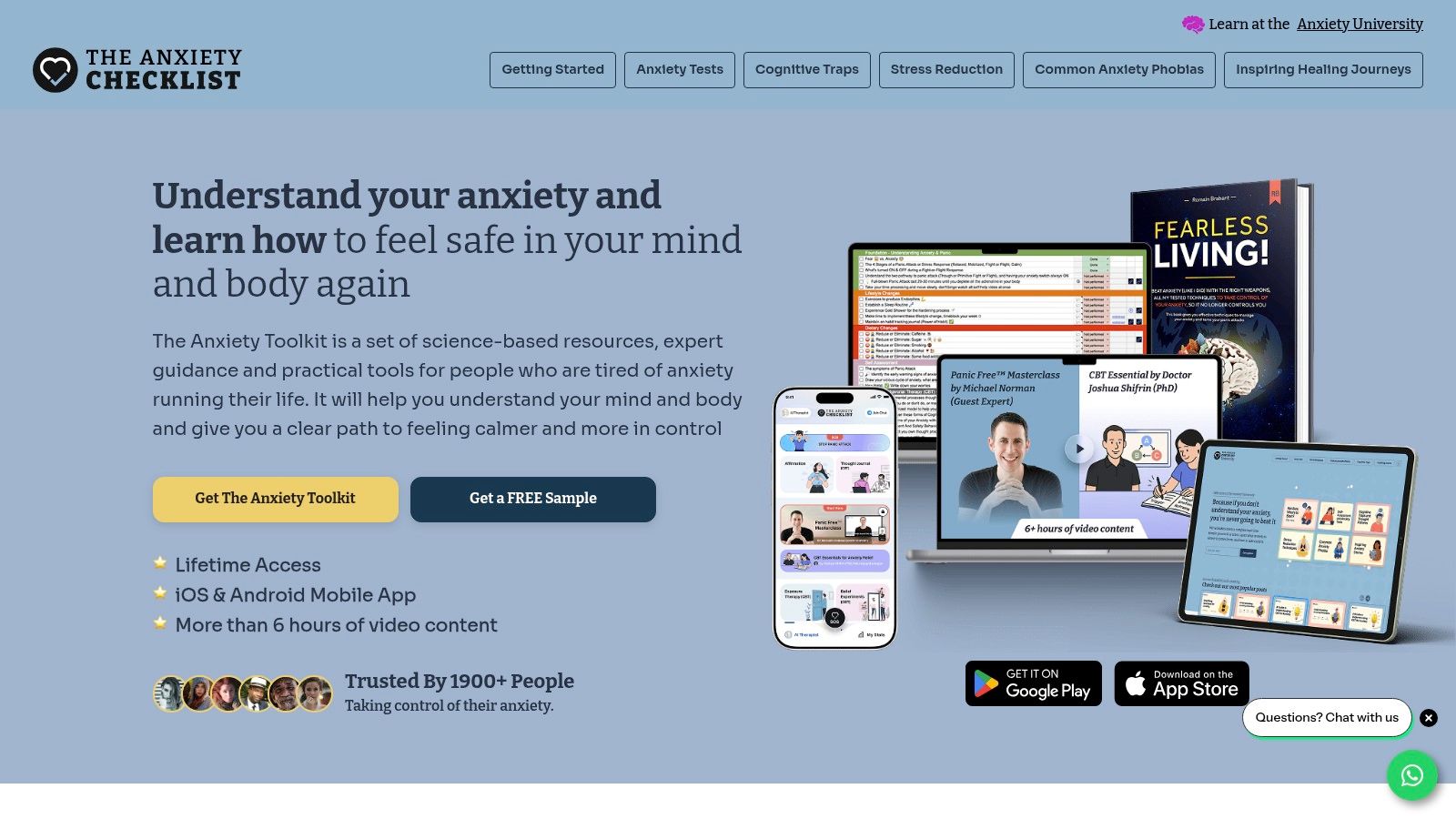
Unlike single-function apps to help with anxiety, The Anxiety Checklist delivers a multi-layered ecosystem. It combines a detailed eBook, a 90+ point interactive checklist, guided audio sessions, and robust CBT-based tools within a single mobile-first platform. This structure allows users to address anxiety from multiple angles, from de-escalating a panic attack with a quick audio reset to systematically dismantling fear-based beliefs through guided exposure work.
Key Strengths & Practical Application
The program’s core strength lies in its blend of lived experience and professional expertise. The central checklist translates the often-paralyzing feeling of anxiety into a series of manageable, concrete actions. For those struggling with panic, the included 4.5-hour PanicFree™ Masterclass provides a deep understanding of the brain's "false-alarm" system, which is a critical first step toward regaining control and healing.
- For Immediate Relief: The app’s guided journaling, hypnosis sessions, and calming audio provide accessible interventions during moments of high distress.
- For Long-Term Change: Tools like the ‘fear ladder’ for exposure therapy and belief-experiment templates facilitate structured, evidence-aligned work. These are the same principles used in clinical settings to create lasting behavioral change and true healing.
- For Structured Learning: The extensive eBook and expert masterclasses offer a curriculum-style approach, ideal for self-directed learners who want to understand the "why" behind their anxiety.
Pricing and Access
The Anxiety Checklist is available as a one-time purchase of $249 (or three payments of $83), which grants lifetime access and all future updates. This model is a cost-effective alternative to subscription-based apps. All content is unlocked within the free mobile app (iOS and Android), and a free sample is available for users to evaluate before committing. Before you begin, you can take a free anxiety test to better understand your current symptoms.
Pros:
- Comprehensive Toolkit: Combines an eBook, checklist, masterclass, and app-based tools for a well-rounded approach to healing.
- Evidence-Aligned: Focuses on practical CBT, exposure therapy, and behavioral experiments.
- One-Time Cost: Lifetime access with free updates offers significant long-term value.
- Lived Experience & Expert Input: Authentically combines a survivor's insights with professional guidance.
Cons:
- Self-Directed: Requires active user engagement and consistency for best results.
- Not a Substitute for Therapy: It is an educational resource, not a replacement for professional medical treatment.
Website: https://anxietychecklist.com
2. Apple App Store
For iPhone, iPad, or Apple Watch users, the App Store is the primary, secure gateway to discovering and downloading apps to help with anxiety. It’s not a single app itself but a curated marketplace that hosts nearly every major mental health tool, including leading options like Calm, Headspace, and MindShift CBT. Its inclusion here is essential because it provides a safe, centralized, and transparent environment to start your journey toward healing and living panic-free.
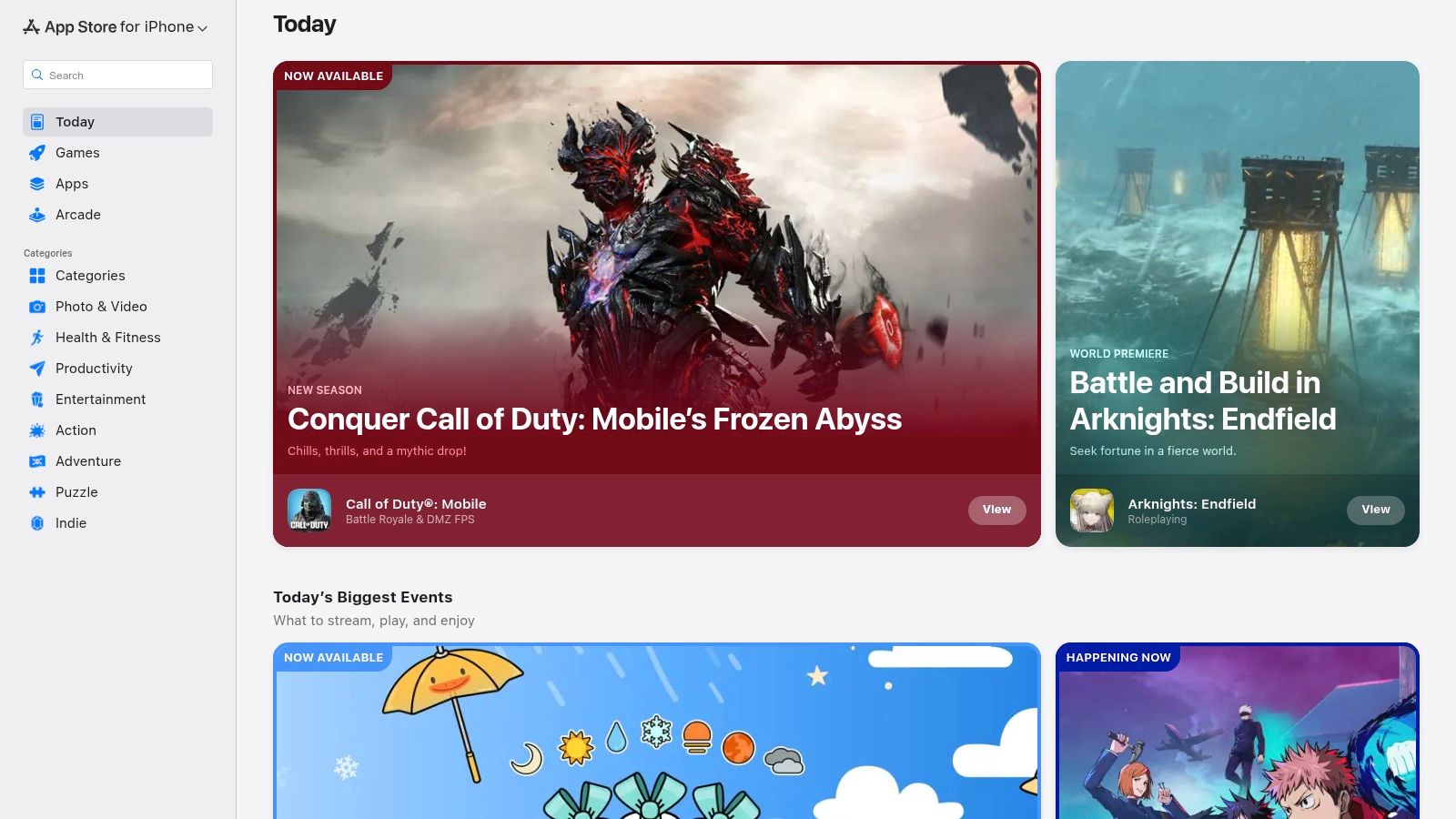
The platform’s key strength lies in its stringent vetting process and user-centric design. Every app page features clear privacy labels, detailing exactly what data is collected, a crucial factor when dealing with sensitive health information. You can manage all your subscriptions through a single Apple ID, simplifying payments and cancellations as you build your personal recovery toolkit.
Key Considerations & Features
The App Store streamlines the process of finding support, allowing you to compare user ratings, read recent reviews, and check device compatibility at a glance. Many apps also integrate with Apple Health, letting you track mindfulness minutes and other wellness data alongside your physical health metrics, empowering your healing journey.
Pros:
- Safe & Vetted: A highly secure ecosystem with clear privacy and data usage disclosures.
- Centralized Management: Unified subscription and payment control via your Apple ID simplifies tracking expenses.
- Seamless Integration: Works effortlessly across Apple devices (iPhone, iPad, Apple Watch) for a consistent experience.
Cons:
- Platform Exclusive: Only available to users within the Apple ecosystem; not accessible on Android.
- Pricing Discrepancies: In-app subscription costs can sometimes be higher than subscribing directly on the app developer's website.
Practical Tip: Before subscribing to a paid app, always check the developer’s website. You can often find better deals or promotional offers by signing up directly, then logging into the app on your iPhone.
Website: https://apps.apple.com
3. Google Play Store
For the millions of Android users, the Google Play Store is the go-to digital hub for discovering and installing apps to help with anxiety. It functions as a massive, organized library, providing secure access to top-tier mental health applications such as Headspace, Calm, Insight Timer, and Balance. Its role is pivotal as it offers a trusted and integrated environment where you can confidently begin your path to managing anxiety and achieving a panic-free life.
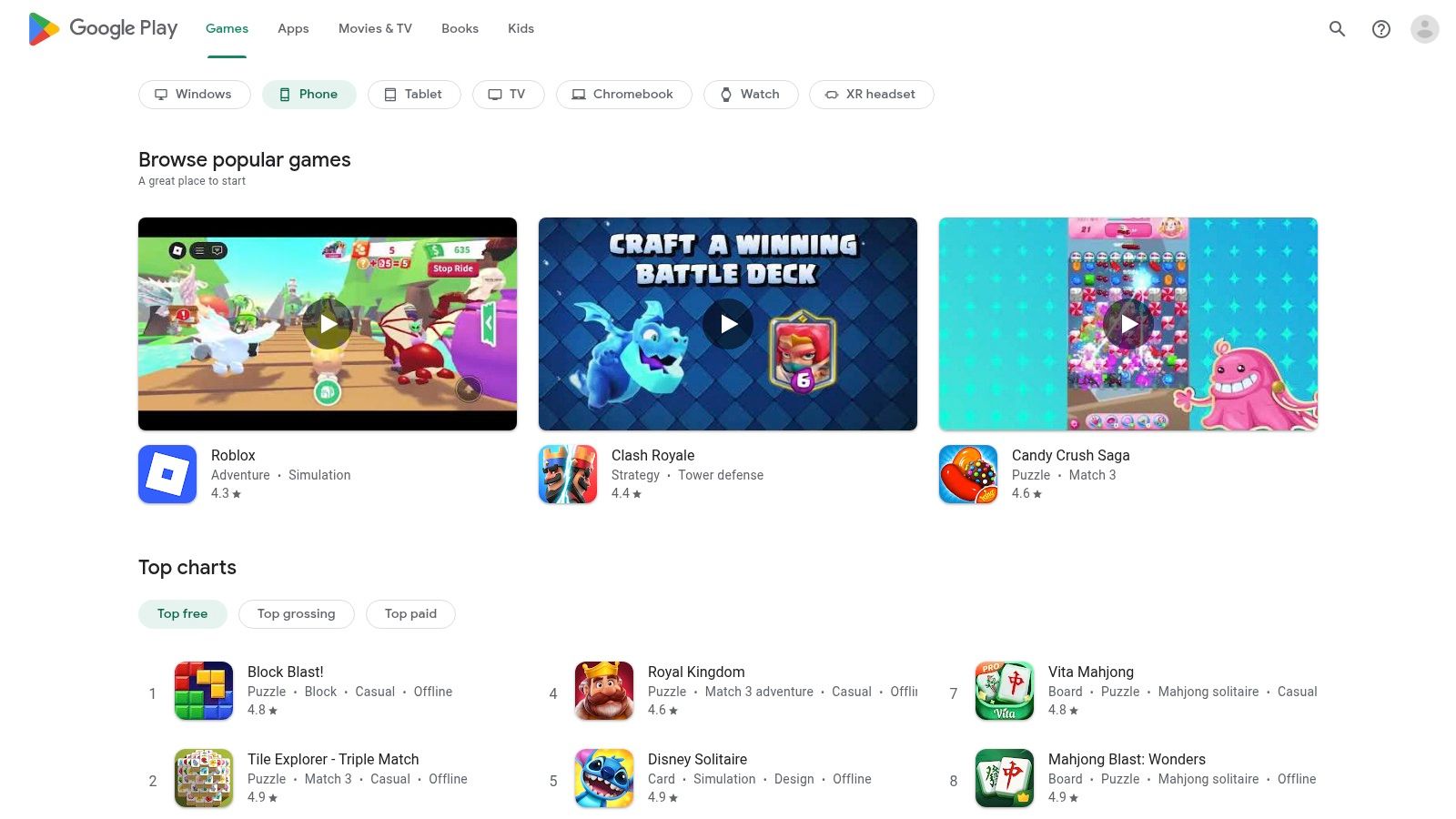
The platform excels at providing a transparent and user-friendly experience. Each app listing details device compatibility, recent updates, user reviews, and developer contact information. Centralized management through your Google Account simplifies the process of tracking subscriptions, making payments, and requesting refunds, giving you full control over your mental wellness toolkit.
Key Considerations & Features
The Play Store makes it easy to find the right support by allowing you to filter searches and compare apps side-by-side. You can quickly check user ratings and read detailed reviews from others who have used the app for anxiety relief. Many apps also feature integration with Google Fit, allowing you to log mindfulness sessions and other well-being data alongside your daily activity metrics for a holistic view of your health and recovery.
Pros:
- Broad Selection: A vast and diverse marketplace for Android users with frequent sales and promotional offers.
- Centralized Management: Easy one-tap installation, unified subscription control, and streamlined updates through your Google Account.
- User Transparency: Clear information on app permissions, update history, and reviews helps you make informed choices.
Cons:
- Regional Variations: App availability and pricing can differ significantly depending on your country or region.
- Device Fragmentation: The user interface and app performance can sometimes vary between different Android devices and versions.
Practical Tip: Look for "Google Play Pass" subscriptions, which sometimes bundle premium mental health apps for a single monthly fee. Also, check for "Editor's Choice" badges on app listings to find high-quality, recommended tools for anxiety management.
Website: https://play.google.com
4. Calm
Calm is one of the most recognized apps to help with anxiety, offering a vast library of guided meditations, soothing music, and its famous Sleep Stories. It’s designed as a gentle entry point into mindfulness for those feeling overwhelmed, providing structured programs and one-off sessions to manage stress, reduce anxiety, and improve sleep quality. Its calm, user-friendly interface makes it an inviting space for anyone starting their journey toward a more peaceful, panic-free state of mind.
The platform's core strength is its sheer volume and variety of content, with new material added daily. From multi-day courses like "7 Days of Calming Anxiety" to quick breathing exercises for immediate relief, Calm provides tools for both long-term practice and in-the-moment support. It aims to make mindfulness an accessible, integrated part of your daily healing routine.
Key Considerations & Features
Calm excels in its sleep-related content, which is particularly beneficial for those whose anxiety spikes at night. Sleep Stories, read by soothing voices, are designed to help you drift off without ruminating thoughts. If you're looking to build a consistent mindfulness habit, its structured programs can provide the foundation you need. You can explore how meditation helps with anxiety in more depth to see how these practices can become a cornerstone of your recovery.
Pros:
- Deep Catalog: An extensive and frequently updated library of meditations, music, and Sleep Stories.
- Multi-Platform Support: Works seamlessly across iOS, Android, and the web for access anywhere.
- Beginner-Friendly: A gentle and intuitive interface makes it easy for newcomers to start a mindfulness practice.
Cons:
- Subscription-Heavy: The free version is very limited; most content is locked behind a premium subscription.
- Pricing Discrepancies: The price for a subscription can vary between the app stores and the official website.
Practical Tip: Look for partnership deals or family plans on the Calm website before subscribing through the app. You can often find significant discounts or even lifetime membership offers that provide better long-term value.
Website: https://www.calm.com
5. Headspace
Headspace is one of the most recognized and evidence-based apps to help with anxiety, offering a structured, accessible entry point into meditation and mindfulness. It excels at guiding beginners through foundational techniques designed to reframe anxious thoughts and build mental resilience. More than just a meditation library, it provides a clear pathway to learning skills that can help you find calm and start living panic-free.
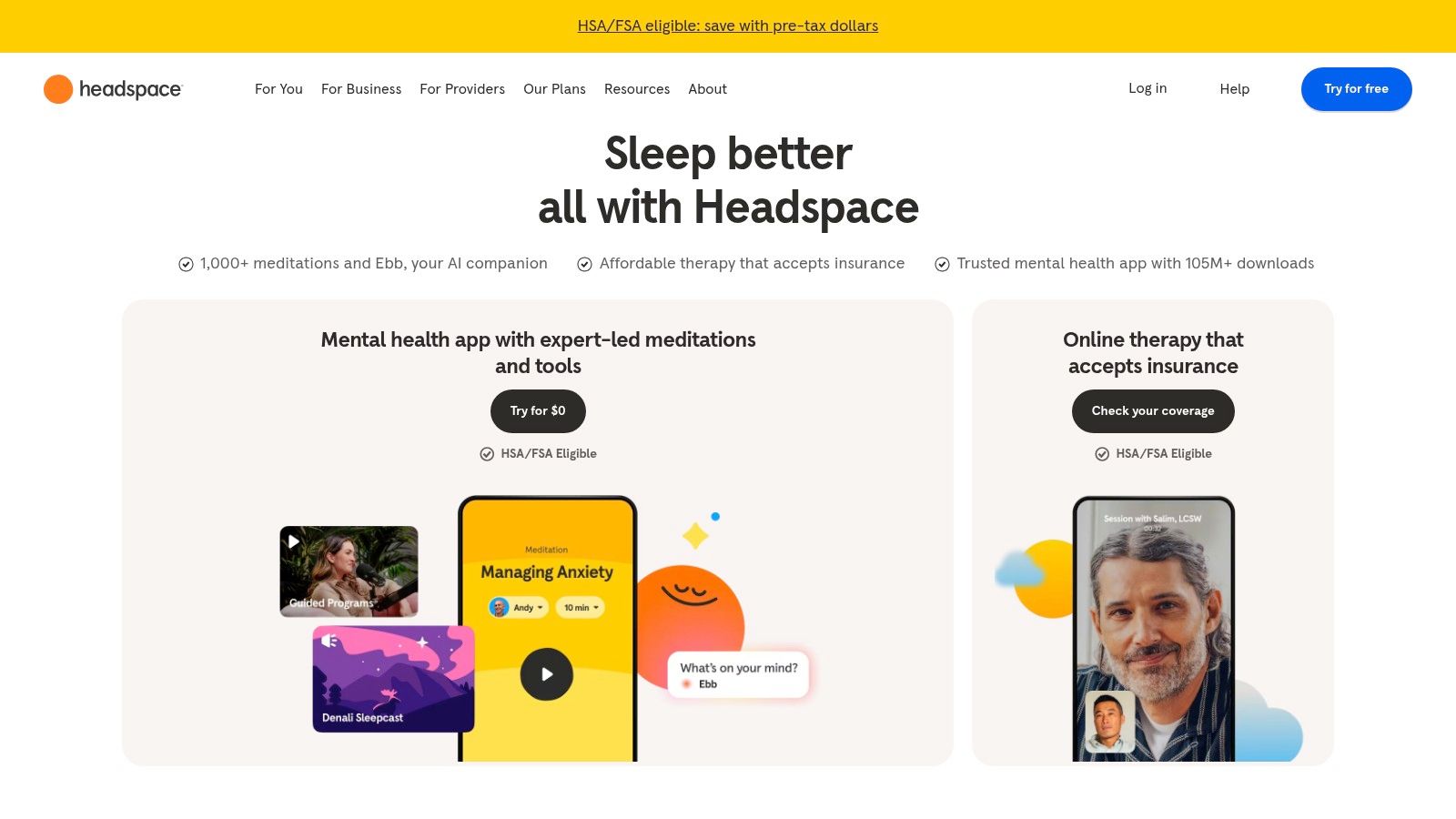
The platform’s strength lies in its structured courses and SOS sessions, which offer immediate support during moments of high stress or panic. For U.S. users with eligible insurance plans, Headspace has expanded to include licensed online therapy and mental health coaching, integrating traditional support with its digital mindfulness tools, offering a complete path to healing.
Key Considerations & Features
Headspace offers a comprehensive suite of tools, from its library of over 500 guided meditations to targeted behavioral exercises and "Sleepcasts" for sleep-related anxiety. The user experience is polished and encouraging, making it easy to establish a daily practice. The app’s clear learning paths remove the guesswork, providing a step-by-step approach to managing anxiety and building a foundation for a panic-free life.
Pros:
- Strong Beginner Experience: Highly organized learning paths and introductory courses make it easy for anyone to start.
- Integrated Care Options: Potential access to therapy and coaching sessions when covered by certain insurance plans.
- Evidence-Based Content: Meditations and exercises are rooted in scientifically validated mindfulness techniques.
Cons:
- Subscription Required: Most of the valuable content is locked behind a paywall after the initial free trial.
- Limited Therapy Access: The therapy and coaching features are restricted by insurance eligibility and geographic location (U.S. only).
Practical Tip: Use the "SOS" sessions to create a first-aid kit for panic. Bookmark a few short breathing and grounding exercises so you have immediate, go-to support when you feel overwhelmed.
Website: https://www.headspace.com
6. Insight Timer
Insight Timer is a powerhouse among apps to help with anxiety, offering an unparalleled library of free guided meditations, talks, and music. Unlike many competitors that gate their best content, this platform provides free access to over 250,000 tracks, making it a foundational resource for anyone seeking immediate relief without a financial barrier. It stands out by democratizing access to high-quality mindfulness tools, providing a tangible path toward managing anxiety and living a more peaceful, panic-free life.
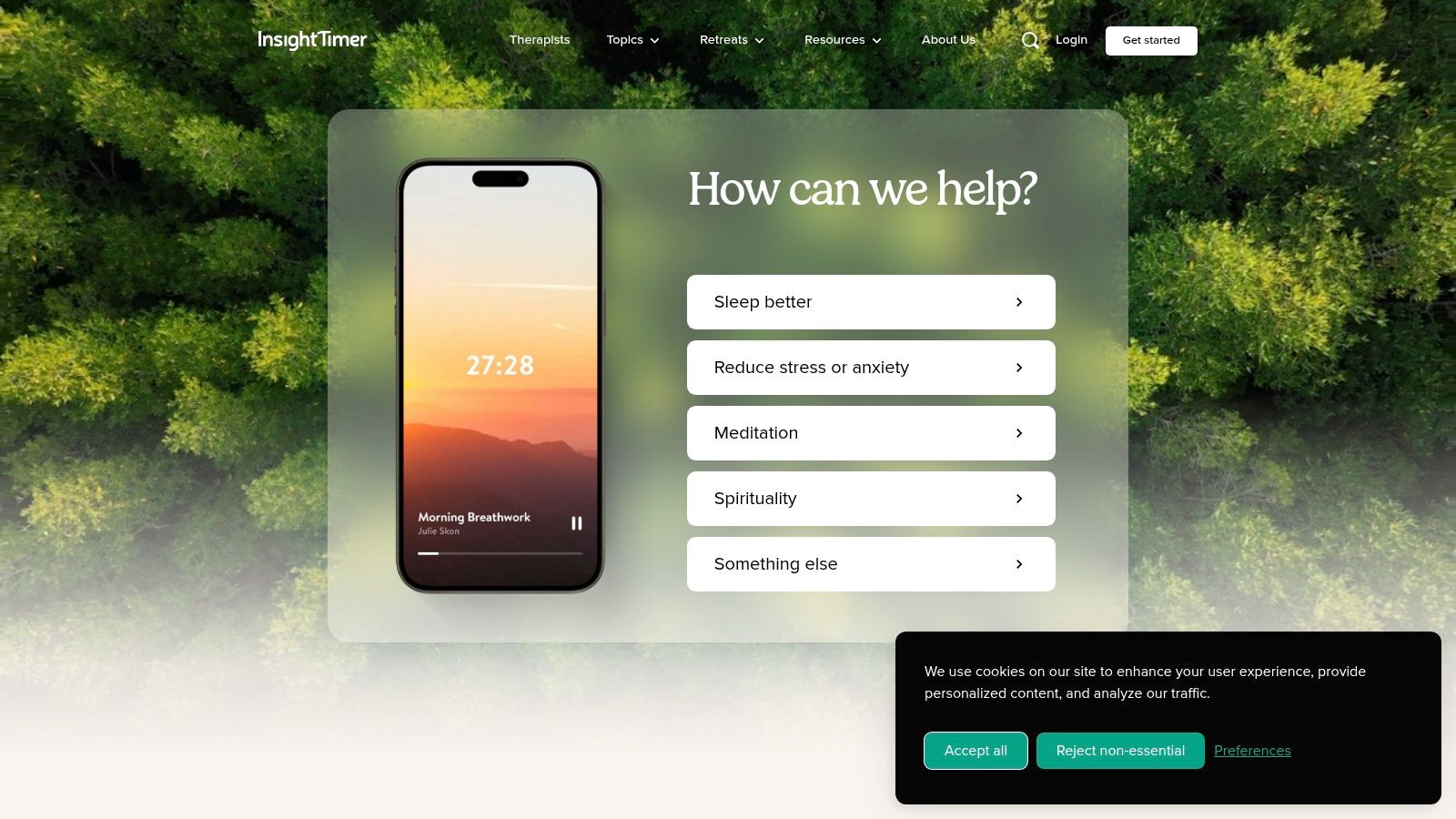
The platform’s strength lies in its sheer volume and variety, coupled with a robust community. New free content is added daily from thousands of teachers, ensuring you can always find a voice and style that resonates with you. Its popular meditation timer is highly customizable for those who prefer unguided practice, and community groups provide a sense of connection. An optional MemberPlus subscription unlocks courses and offline listening.
Key Considerations & Features
Insight Timer allows you to filter its massive library by need (anxiety, sleep, stress), duration, and teacher, making it simple to find the right practice for any moment. Its free offering is so extensive that many users find it sufficient for their long-term healing journey. The platform effectively balances guided content with tools for self-directed practice, empowering you to build a sustainable mindfulness habit.
Pros:
- Best Free Option: The most comprehensive free library of anxiety and meditation content available.
- Strong Community: Features like live sessions and user groups foster a sense of connection and shared experience.
- Highly Customizable: The meditation timer is perfect for tailoring unguided sessions to your specific needs.
Cons:
- Feature Visibility: Recent interface updates have sometimes made certain features harder to find.
- Premium Upsells: While the free version is amazing, advanced courses and features require a MemberPlus subscription.
Practical Tip: Use the bookmark feature to save your favorite anxiety-focused meditations. Creating a "Panic SOS" playlist gives you instant access to your most calming tracks when you feel overwhelmed.
Website: https://insighttimer.com
7. Happier (formerly Ten Percent Happier)
Happier offers a refreshingly practical and no-nonsense approach to meditation, making it one of the most accessible apps to help with anxiety, especially for skeptics. Born from the idea that even busy, cynical people can benefit from mindfulness, it ditches esoteric language for straight talk from respected teachers. This app provides a clear, guided path for those who feel overwhelmed by anxiety and unsure where to begin their healing journey.
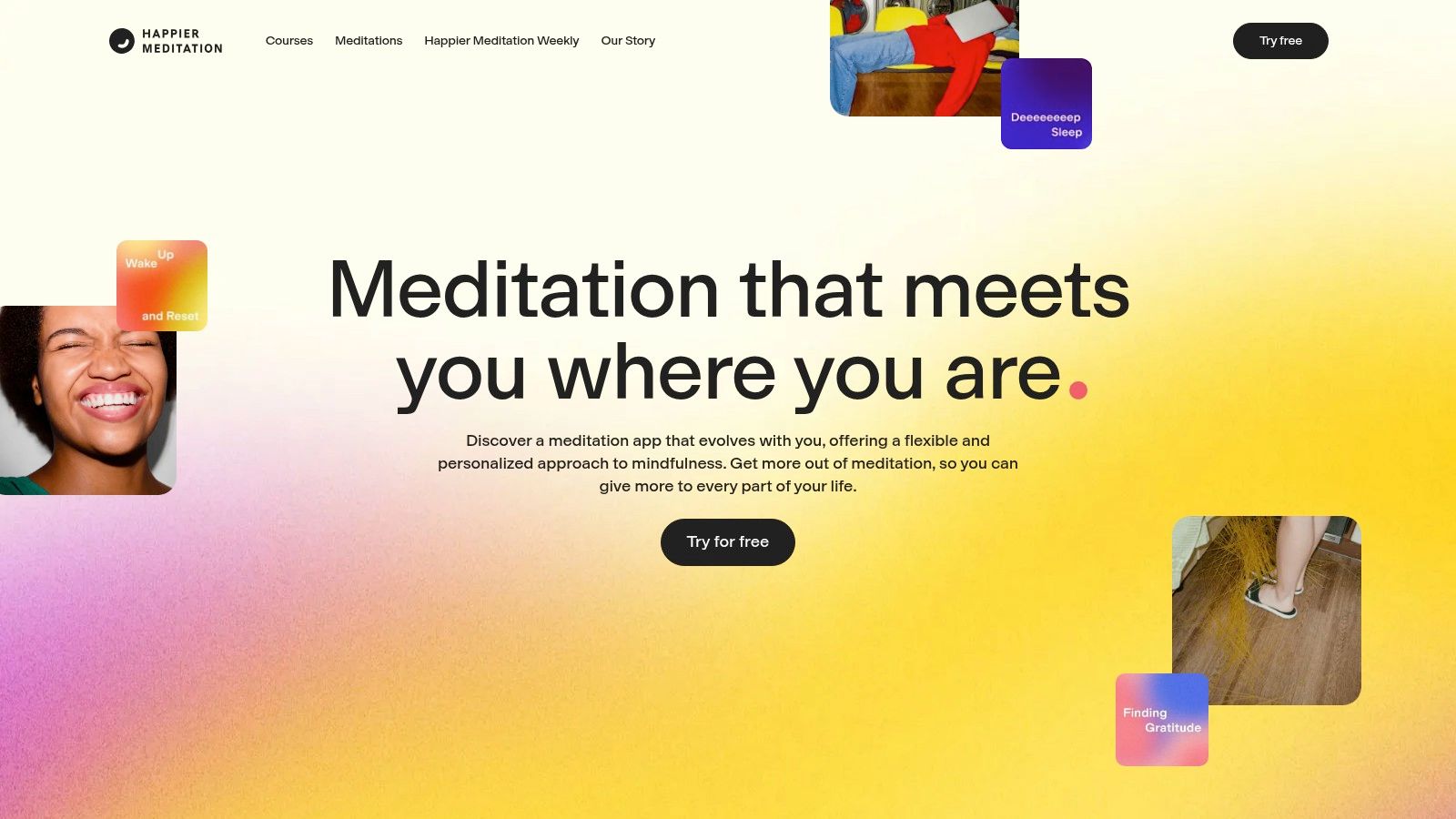
The platform’s strength is its relatable, evidence-based content that demystifies meditation. It focuses on integrating small, manageable practices into daily life to build resilience against stress and panic. With personalized plans based on monthly check-ins and a vast library of courses covering anxiety, stress, and sleep, Happier helps you build a sustainable routine that leads to lasting change.
Key Considerations & Features
Happier provides over 500 guided meditations, talks, and courses led by world-class instructors. Its free tier offers a solid introduction with select meditations, making it easy to try before committing. The app emphasizes real-world application, showing you how mindfulness can directly address the challenges of anxiety in your day-to-day life, empowering you to live more freely and heal.
Pros:
- Approachable Style: The practical, jargon-free approach is perfect for beginners or those skeptical of meditation.
- Reputable Teachers: Features a roster of highly respected and experienced mindfulness experts.
- Personalized Guidance: Monthly check-ins help tailor your practice to your specific goals, such as managing anxiety.
Cons:
- Smaller Catalog: Has a more curated library compared to massive platforms like Insight Timer or Calm.
- Premium Price Point: The subscription cost is higher than some other meditation apps on the market.
Practical Tip: Use the free introductory courses to identify a teacher whose style resonates with you. Following a specific teacher’s series can create a more consistent and effective learning experience as you build your practice.
Website: https://www.meditatehappier.com
8. DARE: Anxiety & Panic Relief (Dare Response)
DARE is a purpose-built app designed to help you break the cycle of anxiety and panic by facing it head-on. Unlike general mindfulness apps, its entire methodology is built around the DARE technique (Defuse, Allow, Run toward, Engage). This approach offers a clear, actionable plan for when you feel overwhelmed, making it one of the best apps to help with anxiety for those who need immediate, in-the-moment guidance and a path toward living panic-free.
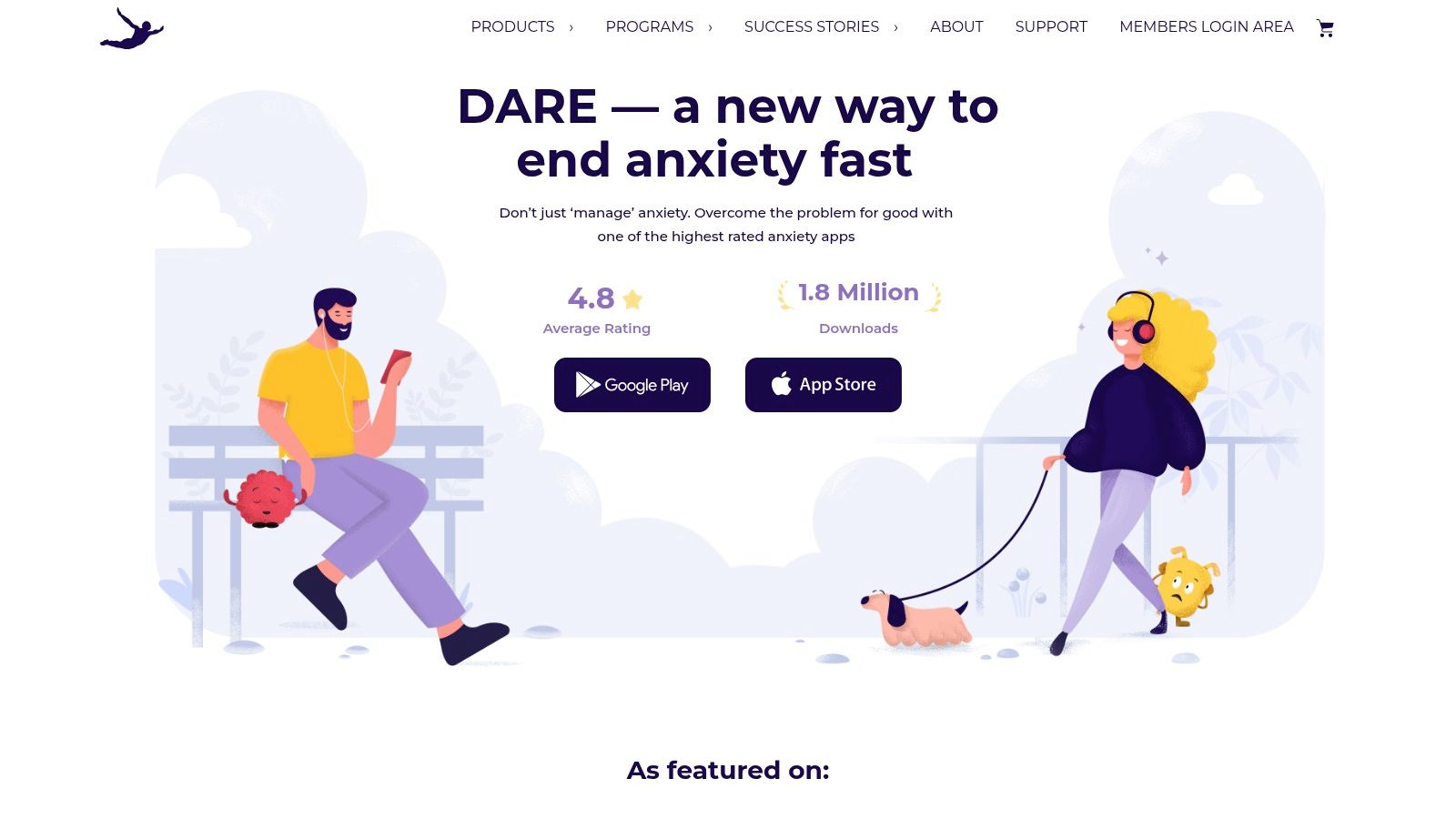
The app’s core strength is its emergency "SOS" button, which provides immediate audio coaching to walk you through a panic attack. It shifts your perspective from fearing anxiety to accepting and confronting it, empowering you to regain control. DARE is not just about coping; it's about actively rewiring your response to anxiety, offering hope and a concrete strategy for long-term healing.
Key Considerations & Features
DARE's framework is especially useful for confronting specific phobias and triggers. The app includes hundreds of targeted audios for situations like driving, flying, or public speaking, alongside a mood journal and community support groups. Premium users gain access to live Zoom sessions and a constant stream of new content, reinforcing the message that healing is an active and supported process.
Pros:
- Designed for Panic: Highly effective, targeted tools for managing acute anxiety and panic attacks.
- Actionable Method: Provides a clear, step-by-step technique rather than just passive listening.
- Active Community: Includes features like buddy groups and live sessions for shared support and accountability.
Cons:
- Subscription Focused: The most impactful features and content library are locked behind a premium subscription.
- Audio-Centric: Primarily relies on audio guides, which may not suit users who prefer visual or text-based exercises.
Practical Tip: Use the free "SOS" feature whenever you feel a panic attack coming on. For a deeper understanding of what's happening in your body during these moments, you can learn more about the panic attack cycle and how to break it.
Website: https://www.dareresponse.com
9. Rootd
Rootd is a female-led app specifically designed to provide immediate relief during panic attacks while also offering long-term lessons for managing anxiety. Its core purpose is to be a supportive companion in your pocket, ready to help you overcome panic and find a path toward living anxiety-free. The app demystifies panic attacks, providing comfort and practical tools when you feel most vulnerable, making it one of the most empowering apps to help with anxiety.
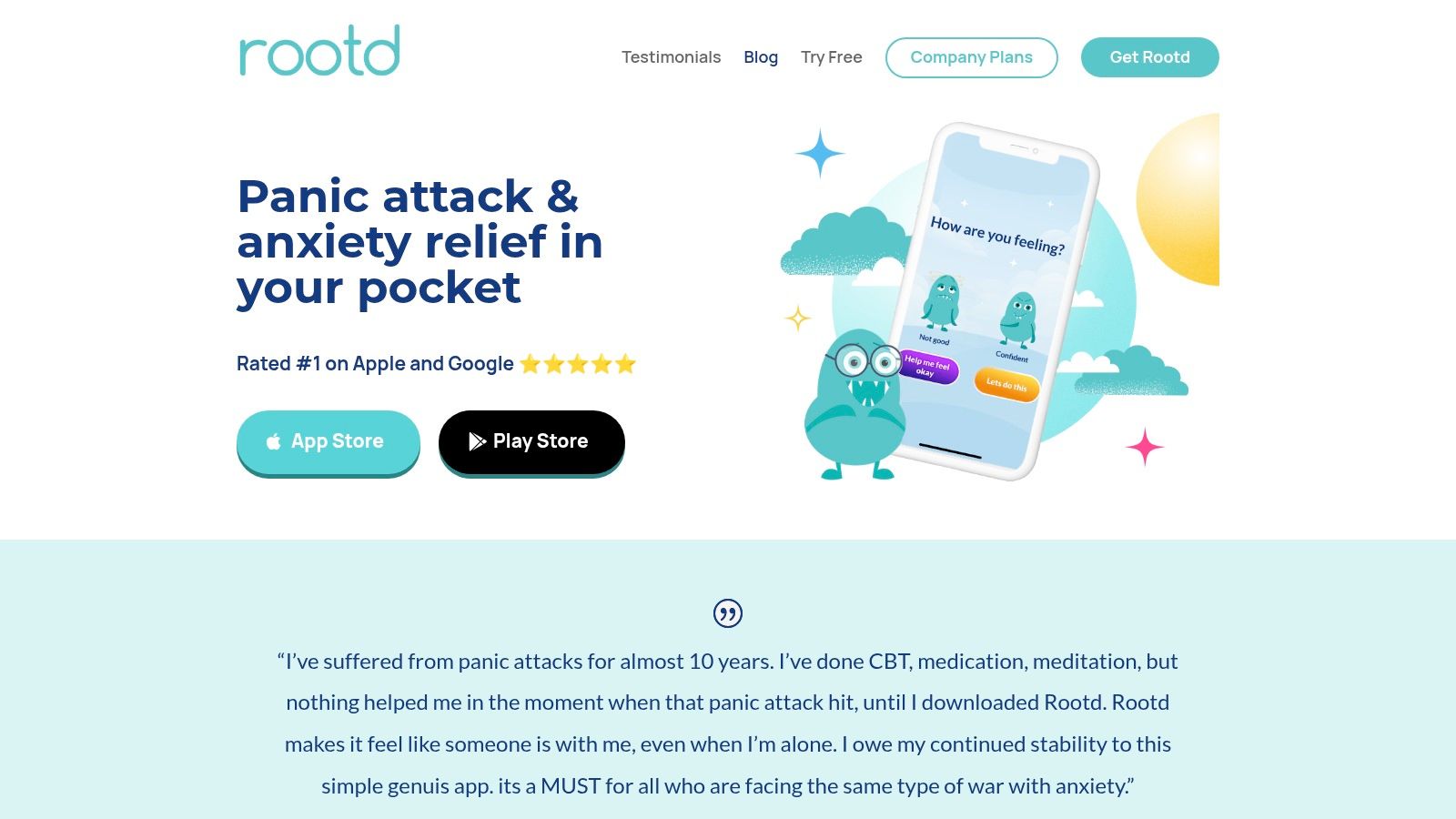
Its standout feature is the "Rootr," a large red SOS button that immediately activates a guided process to help you through a panic attack. This in-the-moment support is combined with structured, CBT-based lessons that explain the mechanics of anxiety and panic, helping you build lasting resilience. The user experience is intentionally designed to be gentle and non-overwhelming, providing a hopeful and safe space for someone in a heightened state of anxiety.
Key Considerations & Features
Rootd excels by blending emergency support with education. Beyond the Rootr button, it includes a journal, progress tracker, and guided visualizations. The app’s breathwork tool is particularly effective; you can learn more about how powerful breathing exercises for anxiety can be in regaining control and starting the healing process.
Pros:
- Panic-Focused Design: The user experience is clear and supportive, specifically built for use during a panic attack.
- SOS Button: The prominent "Rootr" button provides immediate, guided relief when you need it most.
- One-Time Purchase: Offers a lifetime access option in many regions, which is a great alternative to recurring subscriptions.
Cons:
- Locked Content: Many of the long-term lessons and tools are behind a premium subscription paywall.
- Pricing Variations: Subscription costs and the availability of the lifetime purchase can vary by country and app store.
Practical Tip: Familiarize yourself with the Rootr button when you are calm. Understanding how it works beforehand will make it much easier and more effective to use during an actual panic attack.
Website: https://www.rootd.io
10. MindShift CBT
For those seeking a structured, evidence-based approach, MindShift CBT offers a powerful suite of tools rooted in Cognitive Behavioral Therapy. Originally developed by Anxiety Canada, this platform is one of the most effective free apps to help with anxiety, providing practical exercises to manage worry, panic, and avoidance. It empowers you to actively challenge anxious thoughts and change behaviors, offering a clear path toward reclaiming control and living a calmer, panic-free life.
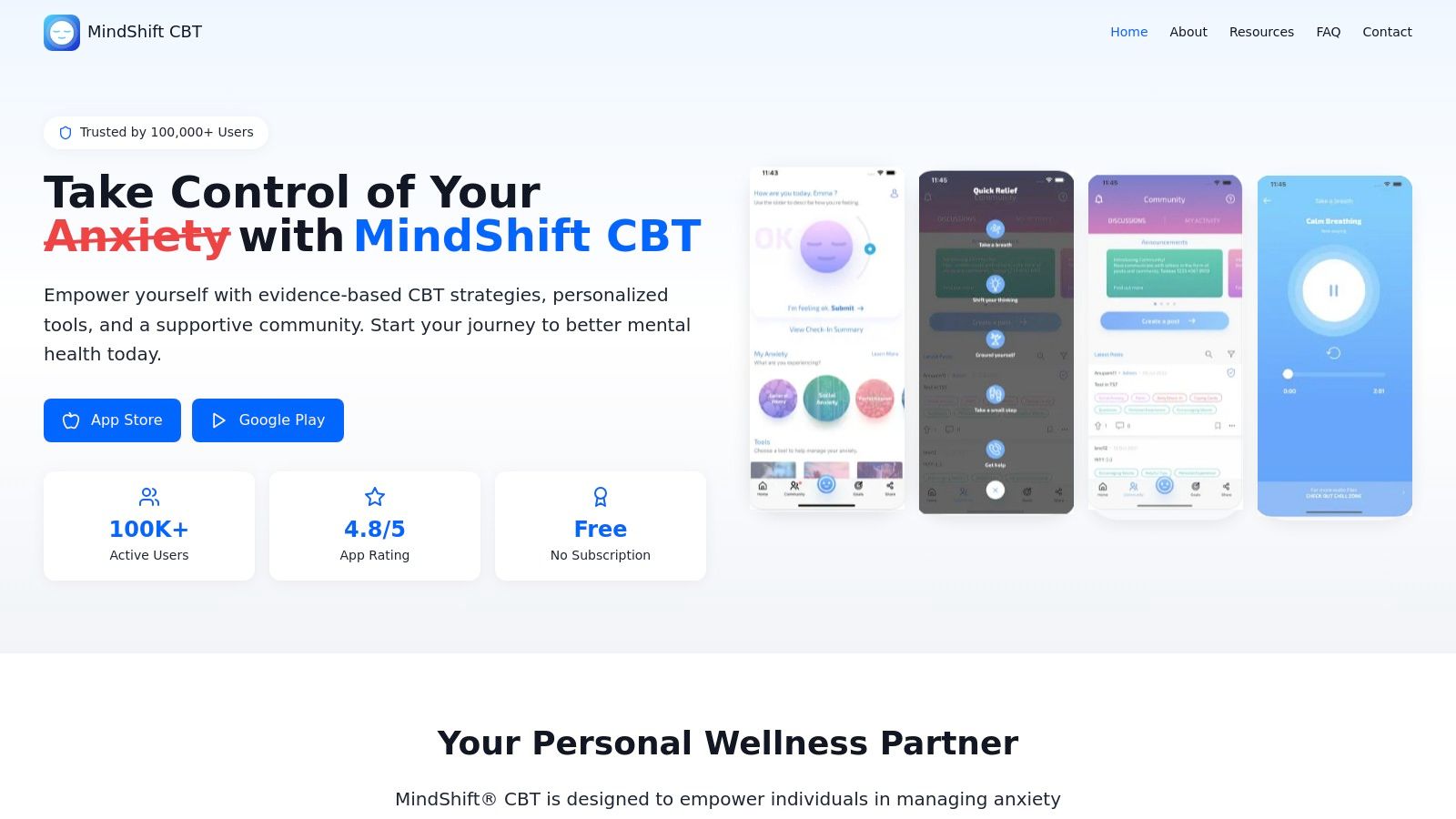
The app's strength lies in its practical, action-oriented features. It includes digital versions of classic CBT tools like thought records, belief experiments, and fear ladders for exposure therapy. These are not just passive readings; they are interactive exercises designed to help you systematically confront and reframe the cognitive distortions that fuel anxiety. For those who want to better understand the framework behind these tools, you can learn more about how CBT works for anxiety.
Key Considerations & Features
MindShift CBT is designed to be a companion for your mental wellness journey, whether you’re working with a therapist or pursuing structured self-help. It includes daily check-ins to monitor your mood, guided meditations for immediate relief, and goal-setting features to track your progress. The app makes professional-grade therapeutic techniques accessible to everyone, providing hope and a tangible plan for healing.
Pros:
- Evidence-Based Tools: Based on proven Cognitive Behavioral Therapy techniques for effective, long-term change.
- Completely Free: No subscriptions or hidden costs, making professional tools highly accessible.
- Structured Self-Help: Excellent as a standalone tool or as a supplement to professional therapy for completing homework.
Cons:
- Requires Active Participation: The benefits are directly tied to your commitment to consistently completing the exercises.
- Not a Replacement for Therapy: It is a self-help tool and cannot replace the personalized guidance of a qualified mental health professional.
Practical Tip: Use the “Fear Ladder” feature to break down a major source of your anxiety into small, manageable steps. Consistently practicing these exposure exercises can gradually reduce avoidance behaviors and build confidence.
Website: https://www.mindshiftcbt.com
11. Balance
Balance offers a uniquely personalized approach to meditation, making it one of the most accessible apps to help with anxiety for beginners. Instead of presenting a static library, it adapts to your needs by asking questions about your experience, goals, and current state of mind. This responsive design creates a guided path that feels tailored to your journey, helping you build a consistent practice to manage anxious thoughts and find lasting calm.
The app’s core strength is its 10-day personalized Plans, which teach foundational meditation skills like breathwork and body scanning in a structured, progressive way. This method demystifies meditation and provides a clear roadmap for users who may feel overwhelmed by other platforms. It focuses on building skills that empower you to face anxiety, showing you a tangible way to heal and live more peacefully.
Key Considerations & Features
Balance is ideal for those who want a simple, "less is more" experience without the content overload of larger apps. Its short, single sessions for anxiety relief are perfect for in-the-moment support, while sleep content helps quiet a racing mind at night. On iOS, it integrates with Apple Health to log your Mindful Minutes, connecting your mental wellness practice to your overall health data, which is a great way to track your healing progress.
Pros:
- Adaptive & Personalized: Sessions are customized based on your feedback, making it feel like a personal guide.
- Generous Free Trials: Often provides an extended free trial (sometimes up to a year), removing cost barriers to entry.
- Beginner-Friendly: The structured Plans make it easy for newcomers to build a sustainable meditation habit.
Cons:
- Limited Content Library: Has a smaller collection of meditations compared to competitors like Calm or Insight Timer.
- Paywall for Full Access: Most advanced features and the full library of content require a paid subscription after the trial.
Practical Tip: Complete the initial 10-day Foundation Plan to learn the core techniques. Afterward, use the “Singles” section for targeted relief whenever you feel a wave of anxiety, such as before a stressful meeting or at the end of a long day.
Website: https://www.balanceapp.com
12. PTSD Coach (U.S. Department of Veterans Affairs)
Developed by the VA’s National Center for PTSD, PTSD Coach is one of the most credible and effective free apps to help with anxiety, especially for those whose symptoms stem from trauma. While created for veterans, its evidence-informed tools are universally applicable for managing distressing moments and building resilience. This app provides a direct, no-cost pathway to learning skills that can help you regain control and find stability on your journey to healing.
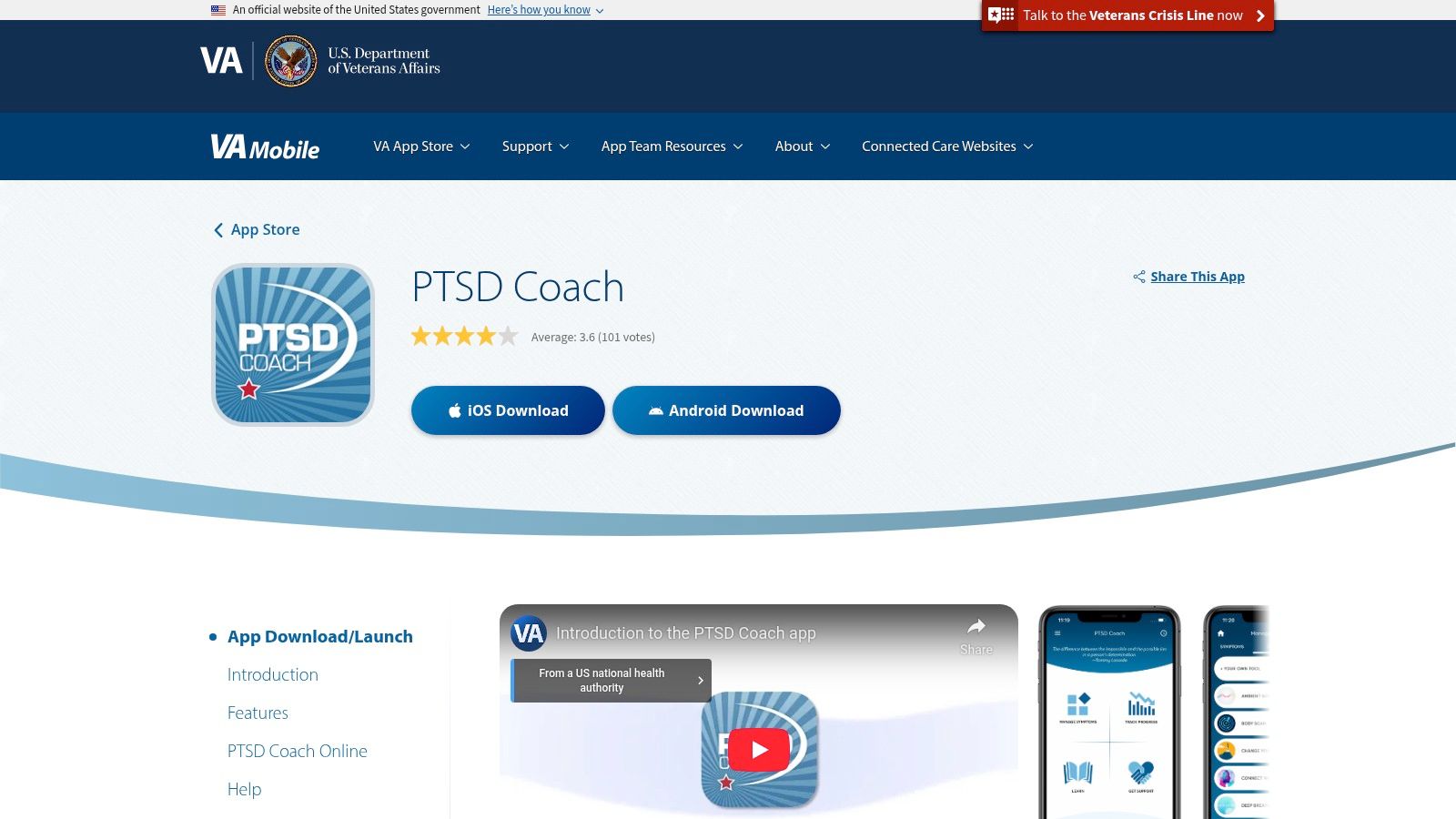
Its core strength is its focus on practical, in-the-moment coping mechanisms. The app allows you to build a personalized toolbox of grounding exercises, positive self-talk scripts, and relaxation audio. When you feel overwhelmed, you can immediately access the strategies that work best for you, empowering you to manage symptoms as they arise and reinforcing that you have the power to heal.
Key Considerations & Features
PTSD Coach provides structured education on trauma and its effects, helping you understand your experiences. It includes self-assessment tools to track symptoms like anger, sleep problems, and dissociation over time, offering tangible feedback on your progress. Direct links to crisis support, including the Veterans Crisis Line, are integrated for immediate help.
Pros:
- Authoritative & Free: A completely free, ad-free resource built with evidence-informed techniques from trusted government sources.
- Highly Practical: Focuses on actionable coping skills for immediate symptom management and grounding.
- Accessible to All: While designed for veterans, its tools are highly beneficial for any civilian dealing with trauma-related anxiety.
Cons:
- Niche Focus: Specifically tailored to PTSD, so it may feel less relevant for generalized anxiety not linked to trauma.
- Not a Therapy Replacement: It is a support tool, not a substitute for professional mental health care.
Practical Tip: Use the "Manage Symptoms" feature to create a custom toolkit. Pre-load it with your favorite grounding exercises and calming images from your phone so they are instantly accessible during a moment of high anxiety or a panic attack.
Website: https://mobile.va.gov/app/ptsd-coach
Top 12 Anxiety Apps Comparison
| Product | Core features ✨ | UX / Quality ★ | Price & Value 💰 | Best for 👥 | Unique selling point ✨ |
|---|---|---|---|---|---|
| The Anxiety Checklist 🏆 | eBook + 90–93 point interactive checklist, mobile app (CBT journaling, exposure tools), 4.5‑hr masterclass, worksheets | ★★★★☆ — evidence‑aligned, action‑oriented | 💰 $249 one‑time (or 3×$83); lifetime updates & free sample | 👥 Self‑learners, chronic anxiety/panic sufferers, therapists, family | ✨ Checklist-driven in‑moment actions + structured exposure work & expert masterclass |
| Apple App Store | iOS app marketplace with privacy labels, device compatibility, unified payments | ★★★★☆ — curated, secure ecosystem | 💰 Varies by app; in‑app purchases & subscriptions | 👥 iPhone/iPad/Apple Watch users | ✨ Apple privacy labels & seamless device/subscription integration |
| Google Play Store | Android marketplace with publisher pages, installs, refunds, subscription management | ★★★☆☆ — broad selection; regional variability | 💰 Varies; frequent sales/trials | 👥 Android users | ✨ Wide Android availability and integrated refund/subscription controls |
| Calm | Guided meditations, Sleep Stories, breathwork, multi‑day programs | ★★★★☆ — polished, frequent content updates | 💰 Subscription (premium) — most content paid | 👥 General anxiety & sleep seekers | ✨ Extensive sleep catalog & studio‑quality content |
| Headspace | Guided meditations, SOS sessions, structured courses, therapy integrations (US) | ★★★★☆ — beginner‑friendly, structured paths | 💰 Subscription; therapy options vary by insurance | 👥 Beginners, structured learners, insured therapy seekers | ✨ SOS acute‑anxiety sessions + organized learning paths |
| Insight Timer | Massive free library (250k+ tracks), community groups, timer, optional MemberPlus | ★★★☆☆ — vast content but inconsistent UI | 💰 Free core; MemberPlus for offline & courses | 👥 Budget learners, community seekers | ✨ Largest free meditation library & strong community features |
| Happier (Ten Percent Happier) | Teacher‑led meditations, personalized plans, courses, practice videos | ★★★★☆ — practical, skeptic‑friendly | 💰 Subscription; premium price point | 👥 Busy professionals, skeptical beginners | ✨ Straight‑talk teachers and personalized check‑ins |
| DARE: Anxiety & Panic Relief | Panic button, targeted audios, breathing exercises, mood journaling, live groups | ★★★★☆ — focused on acute panic relief | 💰 Free + premium for live sessions and advanced content | 👥 People with frequent panic attacks | ✨ Panic‑specific in‑the‑moment tools and active community |
| Rootd | SOS ‘Rootr’ panic button, CBT lessons, guided breathwork, progress tracking | ★★★★☆ — supportive UX, Apple Editor’s Choice | 💰 Subscription; some regions offer one‑time lifetime option | 👥 First‑time panic users, supportive UX seekers | ✨ Clear SOS flow + CBT education designed for panic moments |
| MindShift CBT | CBT tools (thought records, exposure plans), daily check‑ins, guided meditations | ★★★★☆ — evidence‑based and practical | 💰 Free | 👥 Therapy adjuncts, self‑directed CBT users | ✨ Free, structured CBT toolkit suitable for therapist homework |
| Balance | Personalized daily meditations, 10‑day skill plans, sleep activities | ★★★☆☆ — lightweight, adaptive UX | 💰 Subscription; often generous trials | 👥 Users wanting short, personalized sessions | ✨ Adaptive personalization & trial promotions |
| PTSD Coach (VA/DoD) | Symptom tracking, coping toolbox, self‑assessments, crisis links (Veterans Crisis Line) | ★★★★☆ — authoritative, ad‑free | 💰 Free (government app) | 👥 Veterans & people with trauma‑related anxiety | ✨ VA/DoD‑backed, clinical resources and direct crisis support |
Your Next Step Towards a Fearless Life
We have navigated the expansive landscape of digital tools designed to support your mental well-being, exploring a diverse collection of apps to help with anxiety. From the guided meditations of Calm and Headspace to the structured cognitive behavioral therapy (CBT) exercises in MindShift CBT and the immediate in-the-moment relief offered by DARE and Rootd, it's clear that powerful support is more accessible than ever before. You've seen how different apps cater to specific needs, whether it's managing panic, improving sleep, or understanding the root of your anxious thoughts.
The most crucial takeaway is that you are not powerless. The feeling of being trapped by anxiety is a powerful illusion, but it is not your reality. Hope is not a passive wish for things to get better; it's the active choice to take a small, manageable step forward. You now have a roadmap of resources, each one a potential key to unlocking a calmer, panic-free life.
Making Your Choice: From Information to Action
The sheer number of options can feel overwhelming, so let's simplify the process of choosing your first tool. The goal is not to find a single "magic bullet" app but to select a starting point that aligns with your most pressing needs right now.
Think about what you struggle with most:
- For overwhelming panic attacks: Consider starting with DARE or Rootd. Their emergency features provide immediate, actionable guidance when you feel most out of control.
- To build a daily mindfulness habit: Headspace or Balance offer structured, personalized programs that make daily practice easy and rewarding, even for beginners.
- If you want to challenge anxious thoughts: MindShift CBT provides a framework for understanding and reframing the cognitive distortions that fuel anxiety.
- For a vast library of free resources: Insight Timer is an incredible resource if you prefer variety and want to explore different teachers and styles without a financial commitment.
Remember, this is not a permanent decision. It's an experiment. The best app for you is the one you will actually use. Give yourself permission to try one, see how it fits into your life, and adjust as you learn more about what works for you on your path to healing.
Integrating Tools for Lasting Change
The true power of these digital tools is unlocked when they become part of a consistent routine. Simply having the app on your phone isn't enough; you must engage with it. Start small and be realistic. Commit to just five minutes a day for one week. That's it. This small, consistent action builds momentum and proves to yourself that you can take back control.
As we discussed, many of these apps to help with anxiety work best when integrated with a broader strategy, like the structured approach found in The Anxiety Checklist. You can use Headspace for your morning meditation, MindShift CBT to work through a specific worry in the afternoon, and an app like Calm for a sleep story at night, all while using a core program to track your progress and understand the bigger picture of your recovery.
Your journey toward a fearless life is built one day, one choice, and one small action at a time. The path to healing is real, and living a life free from the grip of panic is not just a distant dream; it's an achievable outcome. You have the tools. You have the knowledge. Now, all that's left is to take that first brave step.
If you're looking for a comprehensive system that ties these tools together and guides you through a step-by-step recovery process, consider starting with our foundational program. The Anxiety Checklist provides the structured framework to help you understand, manage, and ultimately heal from anxiety for good. Learn more and begin your journey at The Anxiety Checklist.