

In short
Slow, deep breathing exercises can help reduce anxiety by changing the short, shallow breathing that often accompanies anxiety and helping the body relax. Options include 4-7-8 breathing, belly breathing, pursed-lip breathing, resonance breathing, alternate-nostril breathing and box breathing. Try several, choose two or three that suit you, and practise them regularly.
Key takeaways
- For 4-7-8 breathing, inhale for four counts, hold for seven and exhale for eight.
- During belly breathing, your abdomen should expand as you inhale while your chest remains almost still.
- Resonance breathing uses six-second inhales and six-second exhales through the nose.
- Box breathing gives inhaling, holding, exhaling and holding four counts each.
- Breath focus redirects attention from anxious thoughts towards each breath and a calming word.
Why Should You Try Breathing Exercises for Anxiety?
11 Best Breathing Exercises for Anxiety Relief
1. Anxiety Breathing 4-7-8 Technique
4-7-8 Calm Breathing Excercise | 10 Minutes of Deep Relaxation | Anxiety Relief | Pranayama Excercise
2. Diaphragmatic or Belly Breathing
Breathing Technique to Relax: Belly Breathing Exercise with Dora Kamau
3. Pursed Lip Breathing
Mindful Breathing: Pursed Lip Breathing
4. Humming Breathing
Brahmari - the humming bee breath
5. Resonance Breathing
Coherent Breathing Timer - 5 Breaths Per Minute | 6 Seconds in / 6 Seconds Out | With Bells
6. Alternate Nostril Breathing
Guided Alternate Nostril Breathing Meditation (Nadi Shodhana) | 10 Minutes
7. Deep Breathing
Take a Deep Breath
8. Lion's Breath
Two-Minute Miracles: Lion's Breathing
9. Box Breathing (4-4-4 Breathing)
Box Breathing Exercise | TAKE A DEEP BREATH | Pranayama Series
10. Breath Focus Breathing Exercise
Focus on your Breath, 5 Minute Breathing Guided Meditation
11. Bear Breath for Children's Anxiety
Bear Breaths | Breathing Exercises for Kids Mindfulness (Children Anxiety Relief Meditation)
12. The Original Breath Builder®
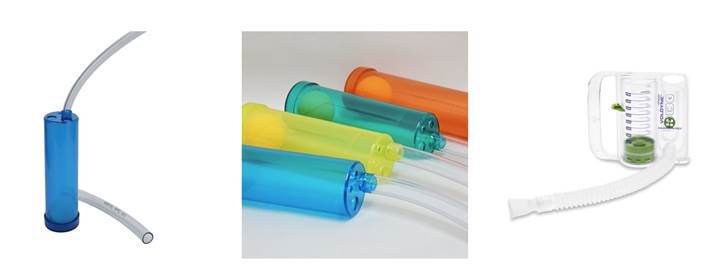
The Original Breath Builder® is a versatile tool designed to enhance breath control, benefiting various aspects of health and performance. Here's how it can help:
Health Improvement: Aids in managing health issues by promoting better breathing techniques.
Musical Performance: Helps musicians, especially those using reed instruments like the flute and clarinet, achieve better lung control, hold long phrases, and hit high notes with ease.
Athletic Ability: Enhances athletic performance by improving respiratory efficiency.
Innovative Design: Features a continuous flow of air, eliminating the need for adjustments and providing a seamless breathing experience.
Proven Reliability: With over 50 years on the market, it's still the latest innovation in breath control and performance.
Bonus Tips to Reduce Anxiety
Frequently Asked Questions
Breathing exercises calm your body, which helps calm your mind, thus reducing anxiety.
All the breathing exercises mentioned above are great for anxiety relief. Choose an exercise that makes you feel the most calm and is easy for you to practice regularly.
It is a deep, rhythmic breathing technique that involves inhaling for 4 seconds, holding for 7, and exhaling for 8.
By focusing your attention on your belly expanding and contracting with every breath, you direct your mind away from anxious thoughts. Deep breathing also helps relax your body, which, in turn, relaxes your mind.
Take deep breaths from your nose and exhale slowly through your mouth. Repeat till you start feeling calm and relaxed.
Key Takeaways
Anxiety University
Explore the Anxiety University
Free guides to help you understand anxiety, one topic at a time.
- Getting StartedThe basics of anxiety and how it works
- Self-Assessments & Anxiety TestsCheck in on your symptoms with free tests
- Cognitive Traps & Thought PatternsSpot the thinking habits that fuel anxiety
- Stress ReductionPractical ways to calm your body and mind
- Common Anxiety PhobiasUnderstand specific fears and how they are treated
- Inspiring StoriesReal stories and words that remind you you are not alone