
- Anxiety can be overwhelming; the weight of constant worry, racing thoughts, and panic attacks can feel unbearable.
- You find it difficult to navigate even the simplest tasks, and in those moments of intense emotional turmoil, you may find yourself on the verge of tears.
- Many people think crying is a sign of vulnerability, something we’re taught to suppress or hide.
- But what if shedding tears is one of the most natural and healing ways to cope with overpowering emotions?
- So, you see: You’re not alone; Crying is a natural human phenomenon.
- From calming your nervous system to helping you process intense feelings, the benefits of crying go much deeper than you might think.
- In fact, understanding the benefits of crying can help you embrace your emotions and find relief.
- But first, let’s find out why people cry and when your crying is a cause for concern.
When anxiety hits, do you know what to do next?
Learn how to calm your body, interrupt fear loops, and regain control step by step.
When Crying Might Be Normal
Here are some common reasons why people cry.
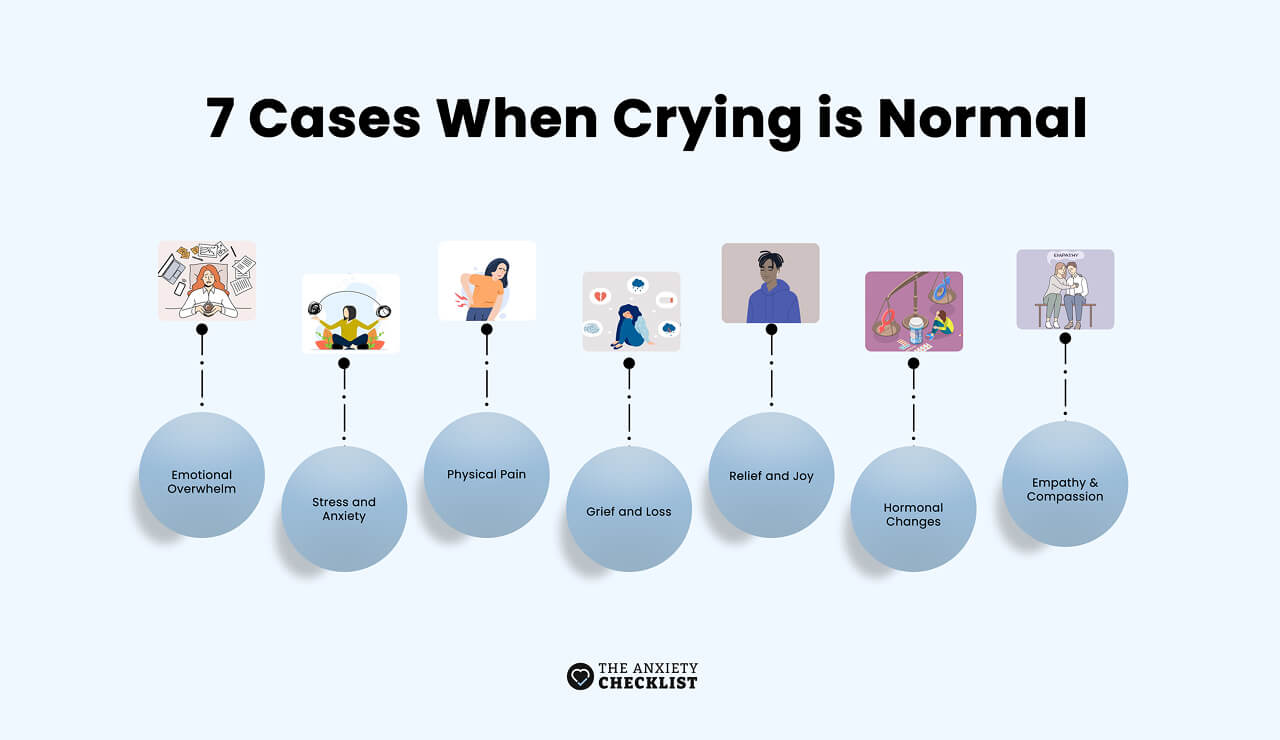
- Emotional Overwhelm: When your emotions become too strong, whether from sadness, frustration, or happiness, it can make your heart heavy, and tears can help relieve the intensity. This is why people cry during arguments, after receiving good news, or when deeply touched by a sermon.
- Stress and Anxiety: When you feel overwhelmed with responsibilities or worries, you’ll feel like crying even though it may not solve the problem.
- Physical Pain: Sometimes, crying is a reaction to physical pain. You cry when you’re in discomfort, sending a distress signal to people around.
- Grief and Loss: You’ll cry when you lose a loved one, a pet, or even an important opportunity. It’s a normal way to process the pain and begin healing.
- Empathy and Compassion: Some people may cry when they see another person in pain, even if they’re not personally affected. This is because humans are wired to connect emotionally with others.
- Hormonal Changes: During pregnancy, menstruation, or puberty, females experience hormonal changes, which can make them emotional and prone to crying.
- Relief and Joy: Crying isn’t always about sadness. Many people cry after achieving a big goal, reuniting with a loved one, or witnessing something beautiful like the birth of a baby.
When Crying Should Be a Concern
- While crying is normal, there are times when it can be a sign of something deeper.
- If you find yourself crying too often or it interferes with daily life, it might be time to seek support.
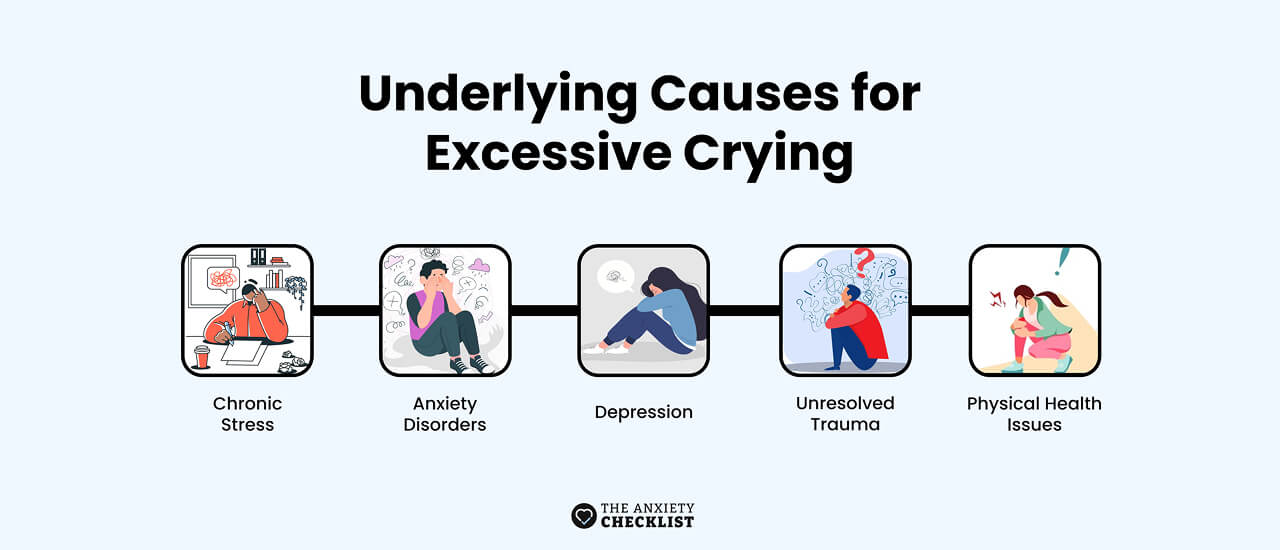
- We’re here to guide you to track the root cause, so let’s discuss some signs that crying could be a concern. Here are some possible root causes of excessive crying.

- Depression: When crying is frequent and brings feelings of hopelessness, fatigue, or loss of interest in activities, it could indicate depression. Although depression is a mental health condition, it has several potential treatment measures, such as the use of Selective Serotonin Reuptake Inhibitors (SSRIs).
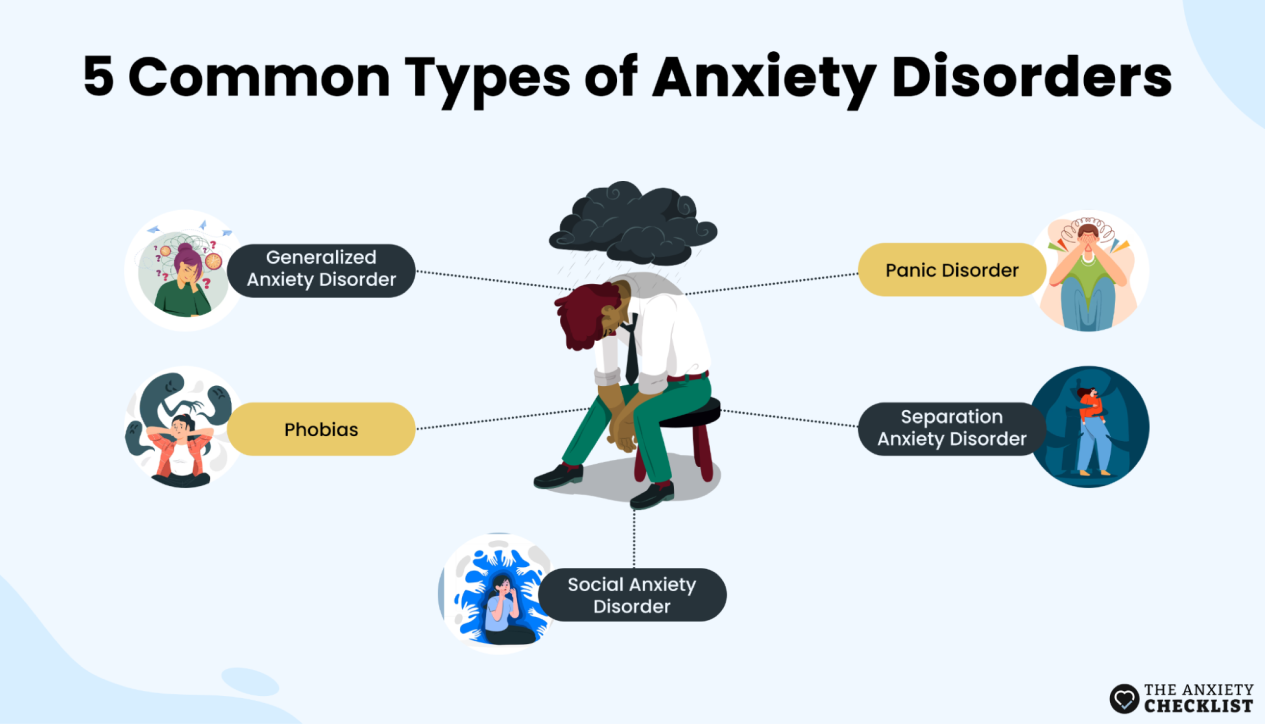
- Anxiety Disorders: If your crying is linked to constant worry, panic attacks, or intense fear, it might be a sign of anxiety disorder. This can be a generalized anxiety disorder, separation anxiety disorder, or phobia.

- Irrespective of the type of anxiety disorder you may experience, our Anxiety Checklist provides daily techniques that can help you stay calm and live your best life.
- Chronic Stress: Prolonged stress can make you more emotionally reactive, leading to frequent crying. Your body is built to experience and react to stress. If you have an upcoming presentation, your body responds by keeping you awake for a longer time as you prepare.
But when stress becomes a daily occurrence and goes on for weeks and months, it can stop you from completing daily tasks. - Unresolved Trauma: Past trauma or unresolved emotional pain can surface as frequent crying, even if you’re not consciously aware of the trigger. Trauma isn’t the same for everyone. While one person may feel numb and incapable of experiencing pain or pleasure, another may feel swamped and cry.
- Physical Health Issues: Health conditions like thyroid disorder can result in frequent mood swings and make you cry uncontrollably. You may cry even when you’re not feeling sad; an indication that your expressions are out of place with how you feel.
- Whether it’s anxiety disorder, fluctuating mood, or trauma, you can get help from a healthcare professional. With a combination of medications, lifestyle and diet changes, and therapy, you can get relief.
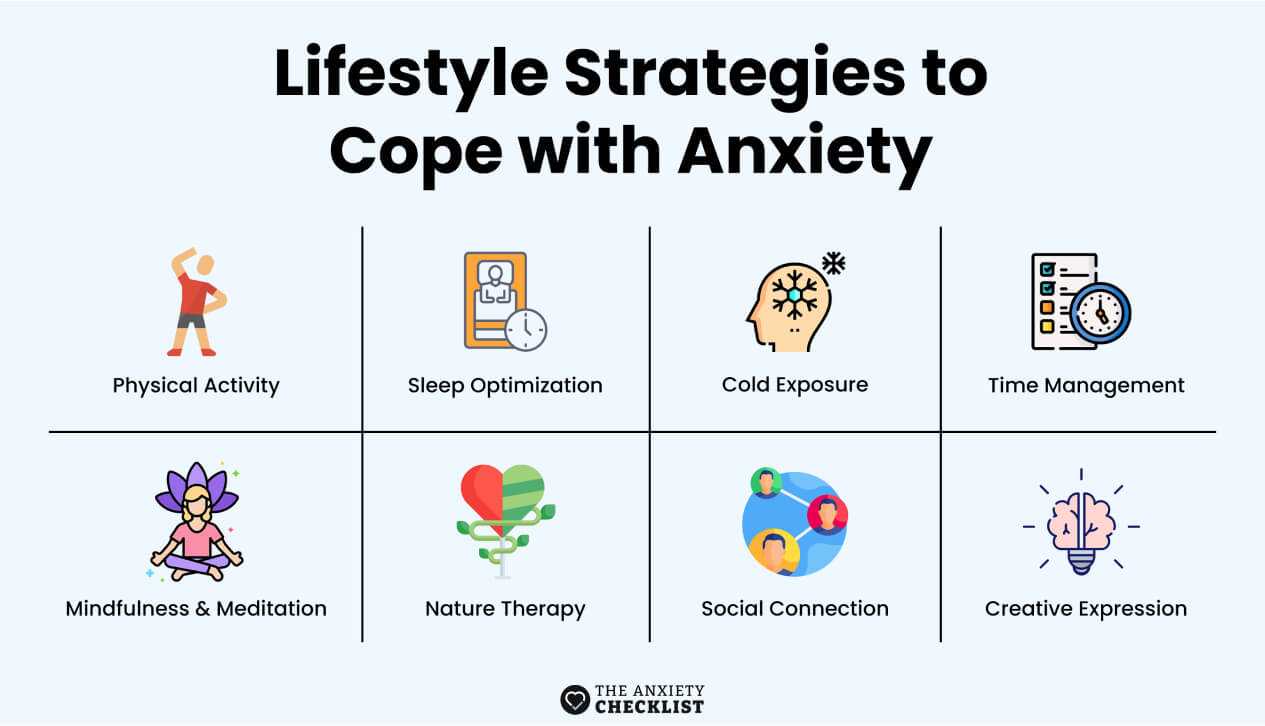
- Here are some lifestyle strategies for anxiety that are also helpful in this case.

What Are the Benefits of Crying?
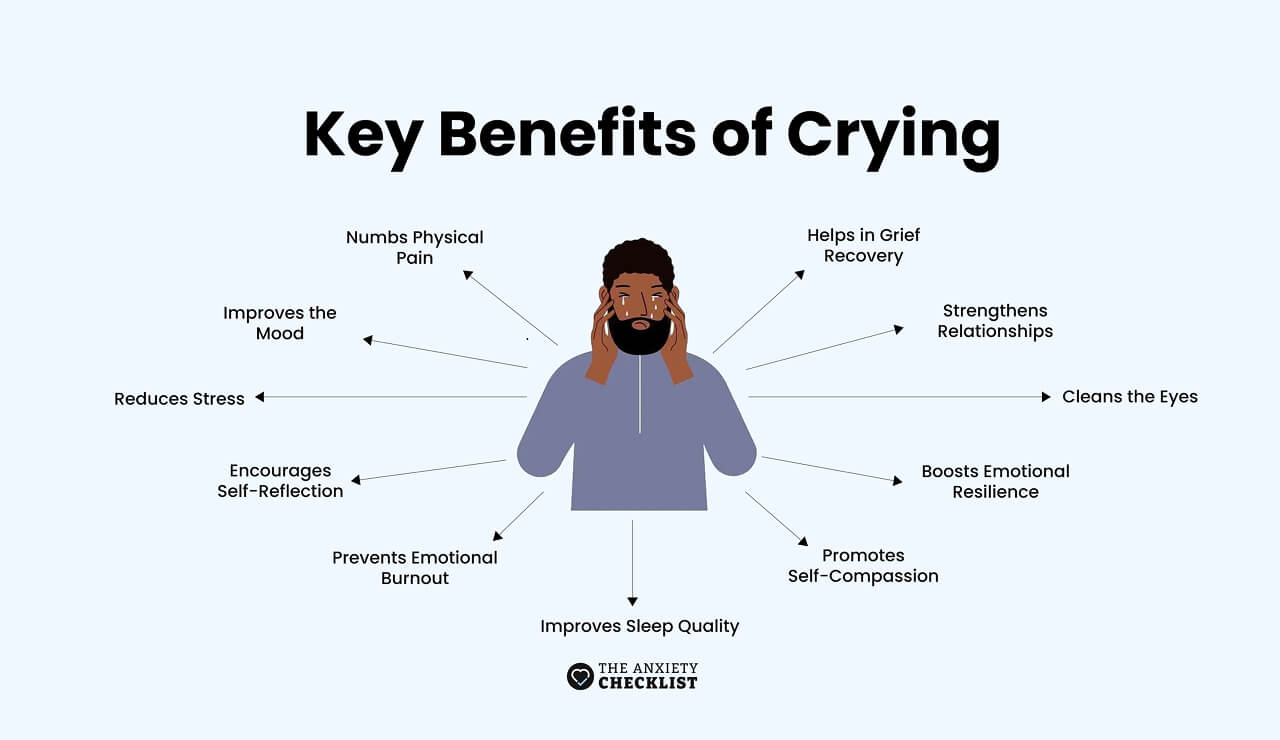
Before you try to hold back your tears, consider these 11 benefits of crying that may change your perception of crying forever.
1. Reduces Stress
- One of the benefits of crying is that it triggers your body to release stress hormones and toxins, and lowers your overall stress level.
- When you’re stressed, your body reacts to it and keeps you alert. Now, that’s the job of the sympathetic nervous system—to cause a "flight or flight" response.
- After that episode of shedding tears, your parasympathetic nervous system takes over. It signals your body to return to its optimum activity level.
- That’s why you feel calmer and more relaxed after a good cry. Instead of suppressing emotions, allowing yourself to cry can prevent stress from building up over time.
2. Improves Mood
- Your body has a natural pain reliever known as endorphins. These are responsible for the pleasurable feelings you get after hanging out with friends or eating a delicious meal.
- During periods of physical pain or trauma, these endorphins help your body escape the pain and increase a good feeling.
- Many people enjoy the benefits of crying, as it makes them feel emotionally lighter. Crying is not just about sadness; it’s a way for your body to find emotional healing and balance your moods.
3. Cleans the Eyes
- The benefits of crying are also seen in maintaining eye health. There are three kinds of tears: basal, reflexive, and emotional tears.
- The basal tears lubricate the eyes and wash away germs and dirt, while the reflexive tears trap irritants like dust, smoke, or debris, causing the eyes to tear up. This can prevent eye infections and discomfort.
- Emotional tears come as a result of intense emotional feelings. They contain proteins and antibacterial properties that help protect the eyes from harmful bacteria.
- So, while crying is often linked to emotions, it also plays a role in keeping your eyes healthy.
4. Numbs Physical Pain
- Among the benefits of crying is its ability to dull physical pain, especially when you cry for a long time.
- When you feel pain, you may also feel emotions like sadness, anger, or frustration. Your body releases endorphins as well as oxytocin, often referred to as the love hormone.
- While endorphins contain natural pain-relieving chemicals, oxytocin has calming effects, which can reduce your perception of pain.
- These hormones combine to create a numbing effect, providing temporary relief from physical discomfort.
- We need to point out here that generalized anxiety disorder can increase the sensitivity of your nervous system.
- This means you may perceive minor physical sensations as more intense or painful.
- Anxiety also triggers stress hormones like cortisol, which can provide a short energy boost as well as increase pain sensitivity.
- However, crying reduces cortisol levels and replaces the "fight or flight" mode with rest signals, lowering physical pain.
- The benefits of crying in reducing pain sensitivity vary from person to person. But it should be paired with other treatment considerations like meditation, mindfulness, and cognitive behavioral therapy.
- You can also use our Anxiety Checklist to monitor your symptoms. It provides effective techniques to manage anxiety and track your progress.
5. Makes You Sleep Better
- Have you noticed that you fall asleep after long sessions of crying?
- It’s not just the emotional release; your body uses a lot of energy during the process, which leads to physical fatigue.
- This fatigue can help if you’re struggling with anxiety-induced insomnia. When anxiety keeps you awake and restless, crying can act as a natural sedative.
- It brings your body to a state of much-needed rest, which can help you sleep quickly.
- What’s more, the benefits of crying extend beyond simple tiredness.
- It activates the parasympathetic nervous system, which helps to calm the racing thoughts and physical tension that often accompany anxiety.
- This paves the way for a more peaceful and restorative sleep.
6. Encourages Self-Reflection
- When we cry, it allows us a moment to pause and process something deep within ourselves.
- It prompts us to ask important questions like "Why am I feeling this way?" "What are my needs?" "How can I address this situation?"
- In those quiet moments after crying, we begin to understand our triggers and gain clarity about what truly matters.
- This introspection is one of the benefits of crying as it helps us connect with our inner selves and grow emotionally.
- Whether it’s reflecting on a past experience, dealing with unresolved emotions, or understanding personal struggles, there are many benefits of crying. It can guide you toward self-awareness and healing.
- It’s okay to let those tears fall; they’re part of your journey.
7. Prevents Emotional Burnout
- When you keep your feelings bottled up, they build up inside, making you feel worn out.
- This weariness can make you feel distant from others, very tired, and like you can't feel anything.
- If you're also dealing with worry and stress, like with anxiety, it can feel like a heavy weight that just gets heavier, making you feel even more drained.
- One of the benefits of crying is its ability to prevent emotional burnout, allowing your body to let go of stress.
- It's like releasing a little bit of that heavy weight, so you don't reach a breaking point.
- Crying gives your mind and body a chance to rest and rebalance.
- It's a kind way to care for yourself, a gentle reminder that sometimes, tears can make you feel better.
8. Strengthens Relationships
- Shedding tears can be a deeply connecting experience, and one of the beautiful benefits of crying is how it strengthens relationships.
- Crying in front of your friends, family members, or partner, shows vulnerability and authenticity, which can deepen your bond.
- It can also encourage empathy, allowing others to see how you feel and offer comfort.
- This shared experience can build trust and closeness, reminding us that we don’t have to face life’s challenges alone.
9. Helps in Grief Recovery
- One of the most important benefits of crying is how it helps us recover from grief.
- When we lose someone or something dear to us, the pain goes deep into our soul, and shedding tears becomes a way to release that deep sorrow.
- Crying helps us process the loss, allowing us to slowly come to terms with our emotions.
- It’s okay to feel hurt and mourn, as each tear shed is a step toward healing.
- Also, crying over the death of a loved one helps us honor the love or connection we once shared with them.
- Although grief never truly disappears, crying can make the weight easier to carry, one tear at a time.
10. Boosts Emotional Resilience
- One of the lesser-known benefits of crying is that it helps you build emotional resilience over time.
- When you allow yourself to cry, you’re accepting and working through difficult emotions rather than suppressing them.
- People who cry and healthily express emotions are often better at coping with challenges and finding solutions to problems.
- If you’re dealing with anxiety, emotional resilience teaches you to navigate intense feelings without becoming overwhelmed.
11. Promotes Self-Compassion
- Among the most overlooked yet powerful benefits of crying is how it encourages self-compassion.
- The world is now fast-paced, and the pressure to succeed and meet societal expectations can be overwhelming.
- All over social media, you see people show off their achievements and "perfect" lives, even if they’re far from reality.
- It’s easy to fall into the trap of comparing yourself and feeling inadequate as if you’re never doing enough.
- Also, the constant hustle, jumping from one task to another with little time to rest, leaves little room for self-care or reflection.
- Trying to impress the world can exhaust your mind, disrupt your sleep, and even contribute to feelings of depression.
- In those moments of self-doubt and harsh self-criticism, crying can be a gentle reminder to treat yourself with kindness.
- This act of vulnerability is a form of self-compassion, a way to say, "It’s okay to not be perfect."
- The benefits of crying in this context help you reconnect with your humanity, which can be a step towards accepting yourself as a work in progress.
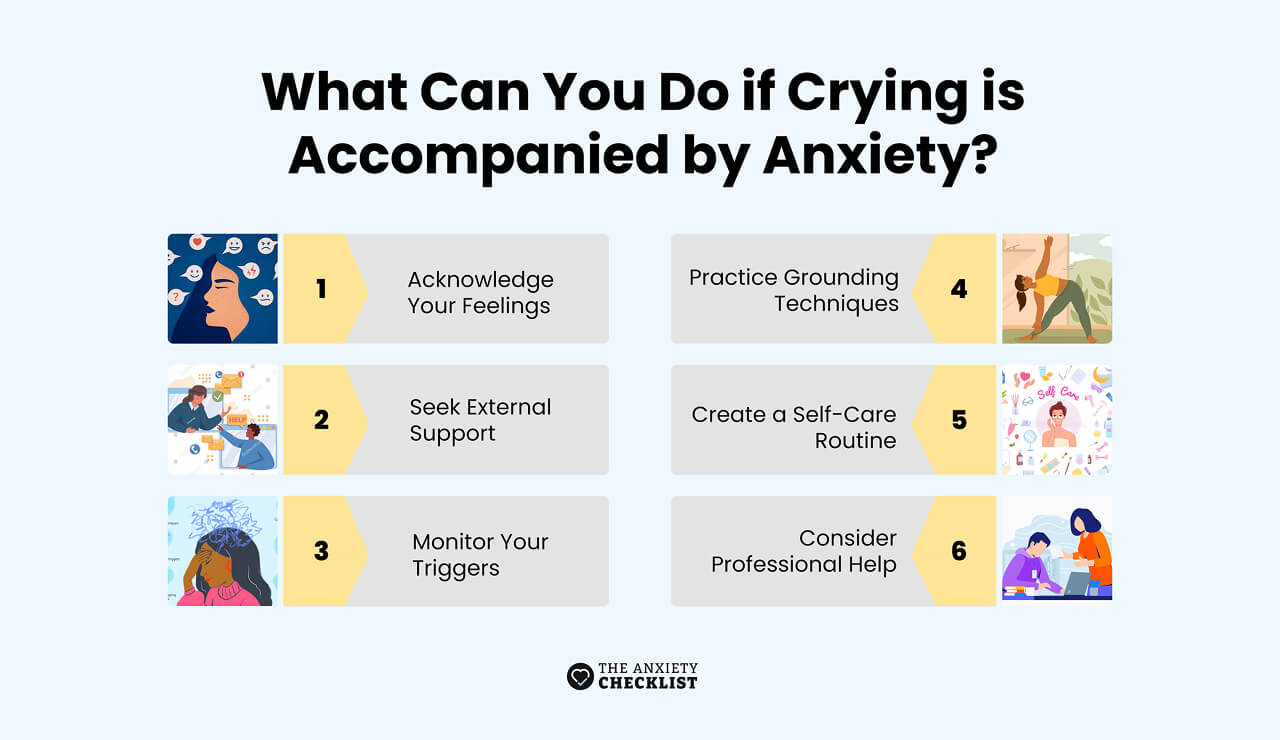
What Can You Do if Crying is Accompanied by Anxiety?
- Crying can be a healthy emotional release, but when it’s paired with anxiety, it can feel exhausting.
- If you find yourself crying frequently due to anxious thoughts or panic attacks, it’s important to address both the tears and the anxiety. Here are some steps to help you navigate this.

- Acknowledge Your Feelings: You should recognize that one of the natural benefits of crying is that it helps release pent-up emotions. Instead of fighting it, allow yourself to cry while remembering that it’s a normal stress response.
- Practice Grounding Techniques: When anxiety strikes, grounding exercises like deep breathing, the 5-4-3-2-1 technique, or focusing on your senses can help calm your mind and body. These techniques coupled with the Anxiety Checklist can reduce the intensity of both anxiety and crying episodes.
- Seek External Support: Talk to a trusted friend, family member, or therapist about what you’re experiencing. Sharing your feelings can provide relief and help you feel that you’re not alone.
- Create a Self-Care Routine: Engage in activities that soothe your mind, such as meditation, journaling, or gentle exercise. These practices can help reduce anxiety over time.
- Monitor Your Triggers: Keep a journal to track what situations or thoughts lead to crying and anxiety. Understanding your triggers can help you develop strategies to manage them better.
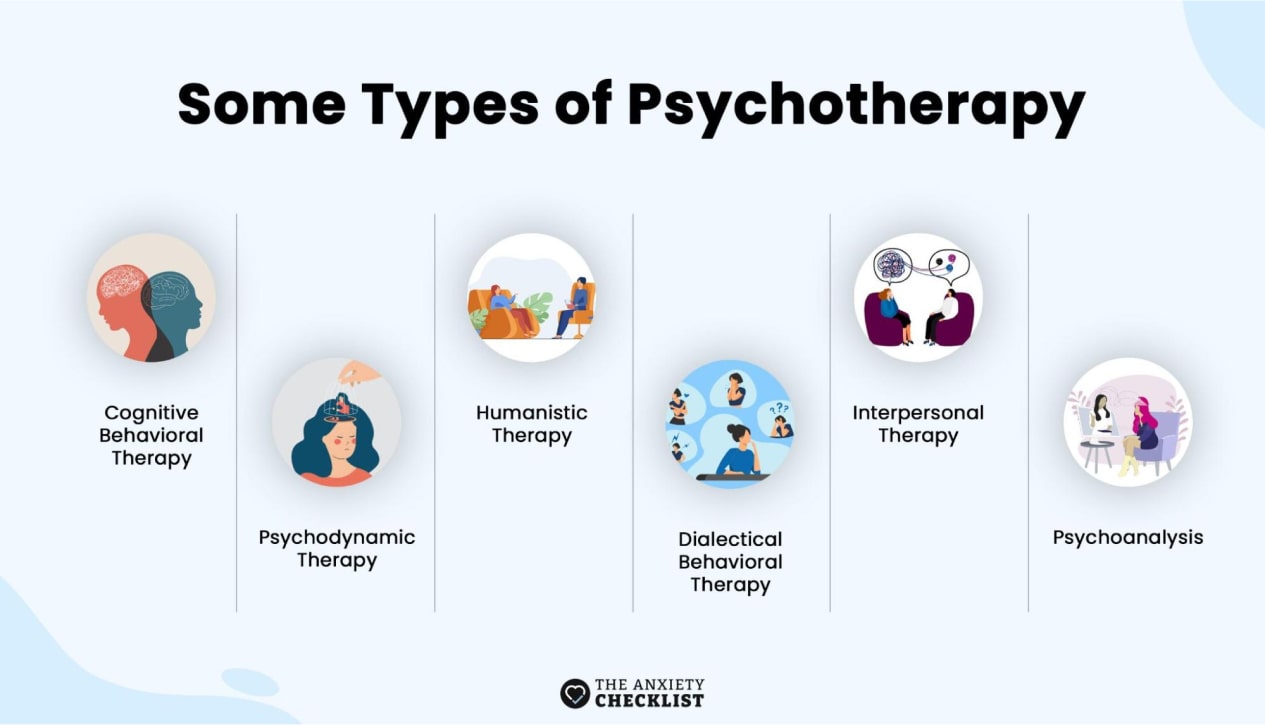
- Consider Professional Help: If anxiety and crying are interfering with your daily life, reach out to a mental health professional. They use therapies like cognitive-behavioral therapy (CBT) and hypnotherapy to address both issues effectively.

Frequently Asked Questions
Yes, there are benefits of crying for anxiety. Crying helps release stress hormones, calms the nervous system, and provides emotional relief.
It can reduce the intensity of anxious feelings, promote self-reflection, and prevent emotional burnout. While not a cure, crying is a natural way to process and manage anxiety.
Crying silently isn’t bad, but bottling your emotions can prevent the full benefits of crying, like stress relief and emotional release.
Silent crying may still help, but allowing yourself to express your feelings, whether through tears or sound, can be more healing for both your mind and body.
Crying helps reduce anxiety by releasing stress hormones and activating the parasympathetic nervous system, which keeps your body in a state of rest. These benefits of crying create a sense of clarity and relaxation, making anxiety feel more manageable afterward.
The 5-4-3-2-1 technique is a grounding exercise to manage anxiety. It involves identifying five things you see, four you can touch, three you hear, two you smell, and one you taste. This method helps shift focus away from anxious thoughts, bringing you back to the present moment.
No. While there are definite benefits of crying, excessive and frequent crying could be due to an underlying cause like chronic stress, depression, or anxiety. In this case, it’s better to seek professional help.
Conclusion
- Crying isn’t something to be ashamed of. Whether you cry alone, with a friend, or in the presence of loved ones, remember that tears are a sign of strength, sincerity, and emotional depth.
- Remember, when crying is followed by anxiety, it’s a signal that your mind and body need care and attention.
- Taking small compassionate steps and following the practical tips in our anxiety checklist can help you find balance and embrace the benefits of crying while managing anxiety in a healthy way.
Previous Article

Solfeggio Frequency: Guide to Sound Healing and Therapy
Next Article

All You Need to Know About Exposure Therapy
If you are in a crisis or any other person may be in danger - don't use this site. These resources can provide you with immediate help.


Stop guessing. Start understanding your anxiety.
Break free with expert-backed techniques in CBT & Hypnotherapy
- Guided exercises & worksheets
- Mobile app with affirmations, hypnosis & exposure tools
- Clear explanations that actually make sense
- 5+ Hours Anxiety Masterclass (Video)
Top Categories
Related Article
- Hypnotherapy Anxiety
- Breathing Exercises Anxiety
- Meditation Anxiety
- Naturopathic Treatments Anxiety
- Understanding CBT Anxiety
- Lifestyle Diet Changes Anxiety Management
- Subliminals for Anxiety Relief
- Psychotherapy for Anxiety
- Binaural Beats Anxiety Relief
- Solfeggio Frequencies Anxiety Healing
- Benefits of Crying Anxiety
- Exposure Therapy Anxiety
- Psychiatrist for Anxiety
- Grounding Techniques Anxiety
- Power Poses Anxiety Confidence
- What is Journaling Benefits
- Affirmations for Anxiety
- Gratitude Journal Anxiety
- Gratitude Journal Prompts Anxiety
- Coping Cards Anxiety
- Hoffman Process Anxiety Healing
- What is ASMR Triggers Benefits Anxiety Relief
- Progressive Muscle Relaxation for Anxiety
- Smart Goals for Anxiety