
- Anxiety can feel like an endless cycle of racing thoughts, making relaxation and focus harder. These feelings can quickly get hold of your mental and physical well-being, leading to restlessness.
- But what if listening to certain sounds could help bring you peace?
- Binaural beats are a unique form of sound therapy that may help reduce stress, promote relaxation, and even improve sleep. It's an auditory experience gaining popularity for its potential to reduce stress, enhance focus, and promote relaxation.
- We'll explore the science behind binaural beats, how they interact with your brain, and how they might help you find the calm you've been searching for.
When anxiety hits, do you know what to do next?
Learn how to calm your body, interrupt fear loops, and regain control step by step.
Understanding Binaural Beats
- Binaural beats are the sound that occurs when two slightly different frequencies are played in each left and right ear. The brain perceives a third rhythmic beat that results from the difference between the two tones.
- The effect was first discovered in 1839 by physicist Heinrich Wilhelm Dove and has since been studied for its potential impact on cognitive functions, relaxation, and mental states.
- Scientists believe this effect may influence brainwave activity. It is often linked to relaxation, focus, and meditation.
- The science behind binaural beats is rooted in how the brain processes sound. The auditory system detects frequency differences and triggers a rhythmic beat. This process, known as brainwave entrainment, is when external sounds influence brain activity.
- An old uncontrolled study revealed the results that listening to binaural beats for 60 days significantly reduced anxiety and increased the overall quality of life of the participants.
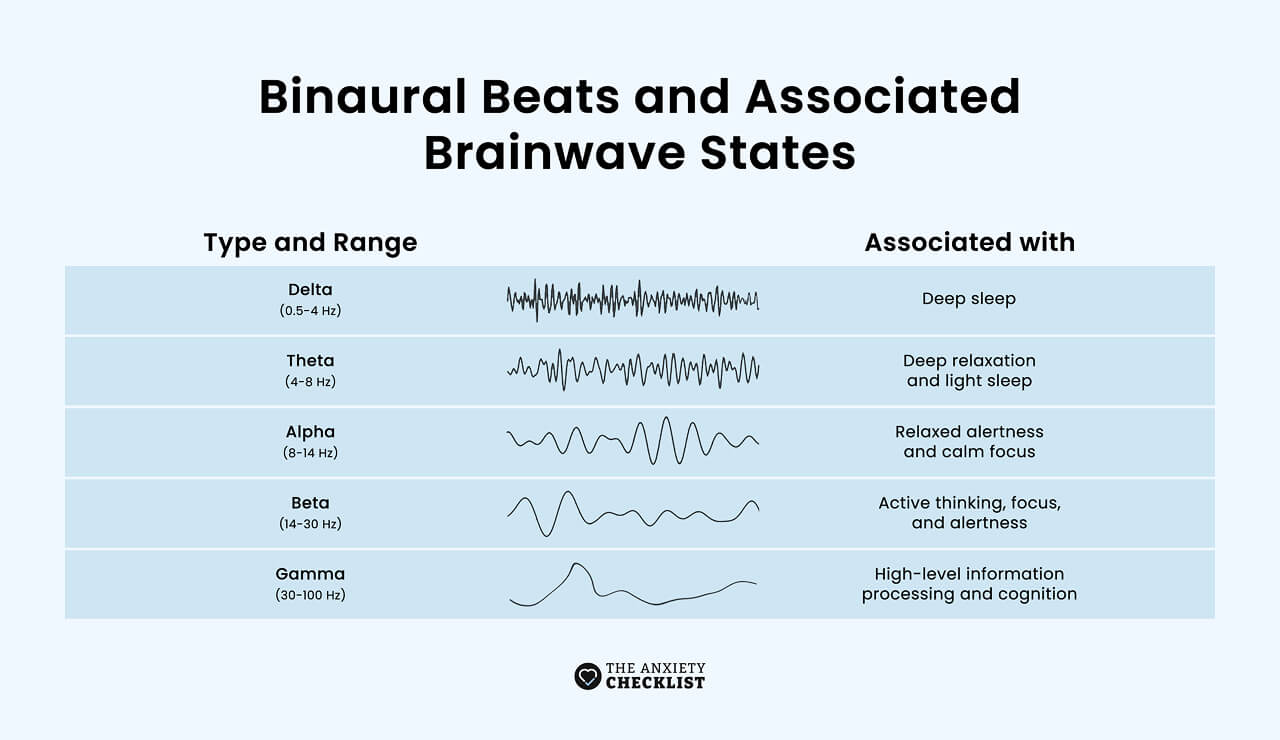
- What's truly fascinating is that not all beats work the same way. Each beat frequency corresponds to a unique brainwave state. For example, low-frequency beats (1-4 Hz) are linked to deep sleep, mid-range frequencies (4-8 Hz) promote relaxation, and higher frequencies (8-30 Hz) enhance focus and alertness.
- This connection between beat frequencies and brainwave states suggests that binaural beats can be a reliable tool to help shift the brain into desired mental states.

How Do Binaural Beats Work?s
- The creation of binaural beats relies on sound waves and auditory perception. The key requirement is that each ear receives a tone of a slightly different frequency. The brain then processes these two signals and generates the illusion of a third, rhythmic beat.
- This is different from standard beats heard in music, as the sound itself does not exist externally but is an internal auditory phenomenon. For binaural beats to work effectively, the following conditions must be met:
- Each ear must receive a distinct frequency — The tones should differ slightly, typically within 30 Hz of each other.
- The frequencies must be within the human hearing range — The average human ear detects frequencies between 20 Hz and 20,000 Hz, and binaural beats are usually created using tones in this range.
- The beats should be listened to using stereo headphones — This ensures that each ear receives the correct frequency without interference from external noise.
The Different Types of Binaural Beats and Their Effects
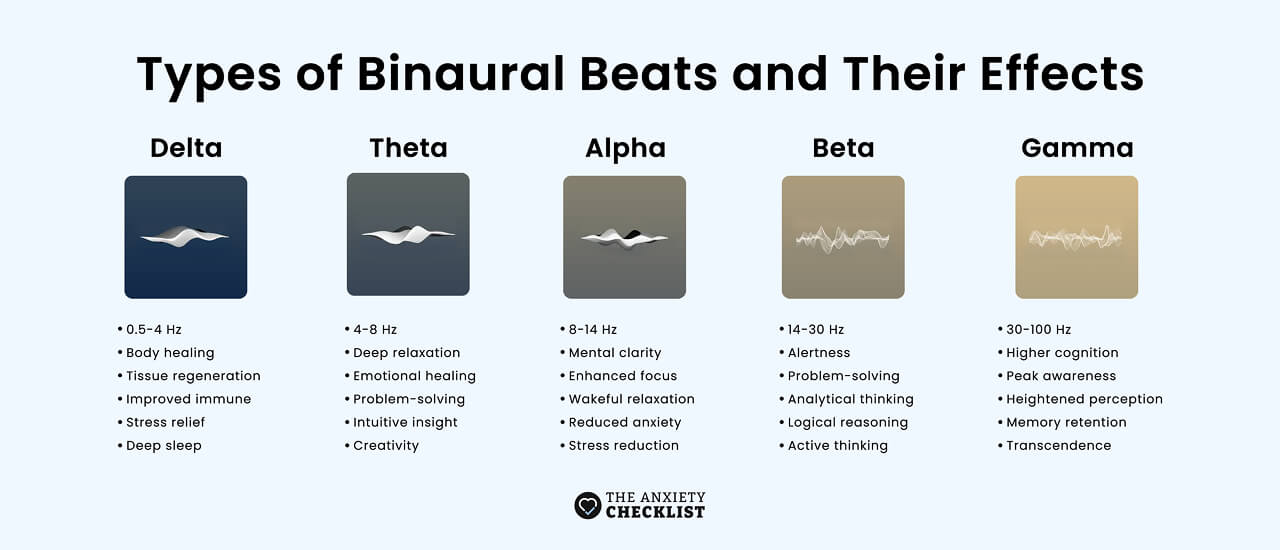
- The human brain operates on electrical impulses known as brainwaves. These waves influence thoughts, emotions, and states of consciousness.
- You can entrain a brainwave frequency depending on what you want to achieve—whether it's relaxation, creative problem-solving, or visualization.
- Let’s take a look at the major categories of brain wave frequencies and how binaural beats can affect them:

Delta (0.5–4 Hz)
- Delta waves are the slowest brainwaves and are dominant during deep sleep. They play a crucial role in bodily healing, tissue regeneration, and the release of human growth hormones.
- People with higher delta wave activity often experience deep, restorative sleep and improved immune function. Meditation and deep relaxation techniques can enhance delta waves, improving sleep quality and relieving stress.
Theta (4–8 Hz)
- Theta waves are linked to deep relaxation, meditation, and heightened creativity. This state is often experienced during moments of daydreaming, just before falling asleep, or when deeply engrossed in an activity.
- Theta waves help access the subconscious mind, making them beneficial for creative problem-solving and emotional healing. Practices like guided meditation, hypnosis, and visualization exercises can increase theta wave activity.
Alpha (8–14 Hz)
- Alpha waves occur when the brain is in a relaxed yet alert state. They are present when you are calm, engaged in light meditation, or a state of wakeful relaxation.
- People with higher alpha wave activity tend to experience lower levels of anxiety and improved learning abilities. Simple activities like deep breathing, yoga, or listening to calming music can stimulate alpha waves and promote mental clarity.
Beta (14–30 Hz)
- Beta waves are associated with active thinking, logical reasoning, and problem-solving. They are dominant during tasks that require focus, decision-making, or analytical thinking.
- Maintaining a healthy balance of beta waves is essential for cognitive efficiency. Brainstorming, studying, and engaging in discussions naturally boost beta waves, while mindfulness techniques can help regulate them.
Gamma (30–100 Hz)
- Gamma waves are the fastest brainwaves linked to higher cognitive functions, heightened perception, and expanded consciousness.
- High gamma wave activity is often observed in individuals with exceptional intellectual abilities and deep spiritual awareness. Meditation, mindfulness, and problem-solving tasks can enhance gamma wave activity.
The Benefits of Binaural Beats
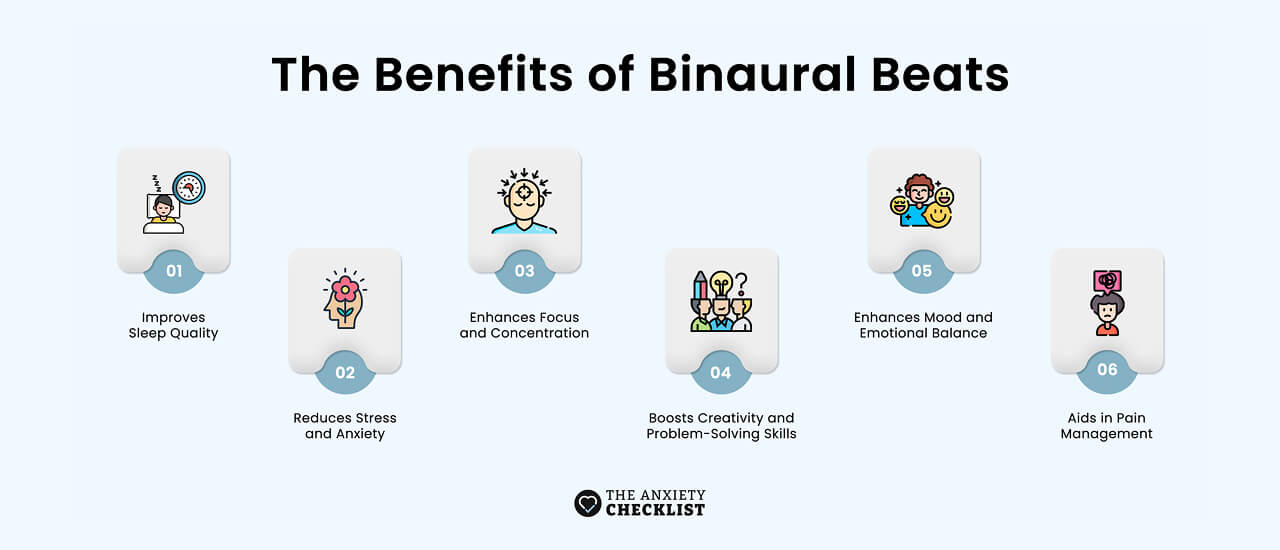
Binaural beats have gained popularity as a natural way to enhance mental and emotional well-being. Here are some of the major benefits of binaural beats:
1. Enhances Focus and Concentration
- Binaural beats help improve focus and concentration by synchronizing brainwave activity.
- When listening to frequencies in the Beta range, the brain enters a state of heightened alertness. This can be particularly useful for studying, working, or completing tasks that require sustained attention.
- Many students and professionals use binaural beats to minimize distractions and stay engaged.
- Binaural beats can increase cognitive processing speed, allowing for better information retention. The rhythmic sound patterns encourage the brain to stay in an optimal state for productivity.
2. Reduces Stress and Anxiety
- One of the most well-known benefits of binaural beats is their ability to reduce stress and anxiety.
- Low-frequency binaural beats promote deep relaxation, particularly those in the Theta and Delta range. These frequencies are linked to meditation and restful sleep, which help lower cortisol levels.
- Listening to binaural beats can create a calming effect on the nervous system, reducing symptoms of anxiety.
- The effect is similar to deep breathing or mindfulness meditation, making it a valuable tool for stress management. Whether dealing with daily stressors or chronic anxiety, binaural beats offer a simple and effective way to promote relaxation.
3. Improves Sleep Quality
- Binaural beats are often used as a natural sleep aid, helping people fall asleep faster and enjoy deeper rest.
- Delta waves are associated with deep, restorative sleep. Listening to binaural beats before bed can encourage the brain to transition into this slow-wave state.
- Many people who struggle with insomnia or restless sleep find binaural beats to be a helpful alternative to medication. The soothing frequencies create a sleep-friendly environment by reducing overactive thoughts and promoting relaxation.
4. Boosts Creativity and Problem-Solving Skills
- Alpha waves and Theta waves are beneficial for creative thinking. These frequencies are associated with relaxed, open-minded states that encourage new ideas and insights.
- Many artists, writers, and musicians use binaural beats to overcome creative blocks and stimulate inspiration.
- Binaural beats allow the brain to make new connections more easily by promoting a balance between focused attention and mental relaxation. This can lead to breakthroughs in problem-solving and innovative thinking.
5. Enhances Mood and Emotional Balance
- Listening to specific frequencies can stimulate the release of neurotransmitters like serotonin and dopamine, which are linked to happiness. Gamma waves have been associated with heightened positive emotions and cognitive functioning.
- Many people use binaural beats to combat feelings of sadness, depression, or emotional fatigue. The uplifting effect of binaural beats can provide an instant mood boost, making them a useful tool for emotional self-care.
- Over time, regular exposure to binaural beats may help regulate mood swings and promote emotional stability.
6. May Aid in Pain Management
- Delta and theta waves have been linked to deep relaxation, which can alter the brain’s perception of pain. Some studies indicate that listening to binaural beats may reduce chronic pain symptoms and discomfort.
- The relaxation effect can also help individuals with pain-related conditions, such as migraines or fibromyalgia.
- While not a replacement for medical treatment, binaural beats can serve as a complementary therapy.
How to Use Binaural Beats Effectively
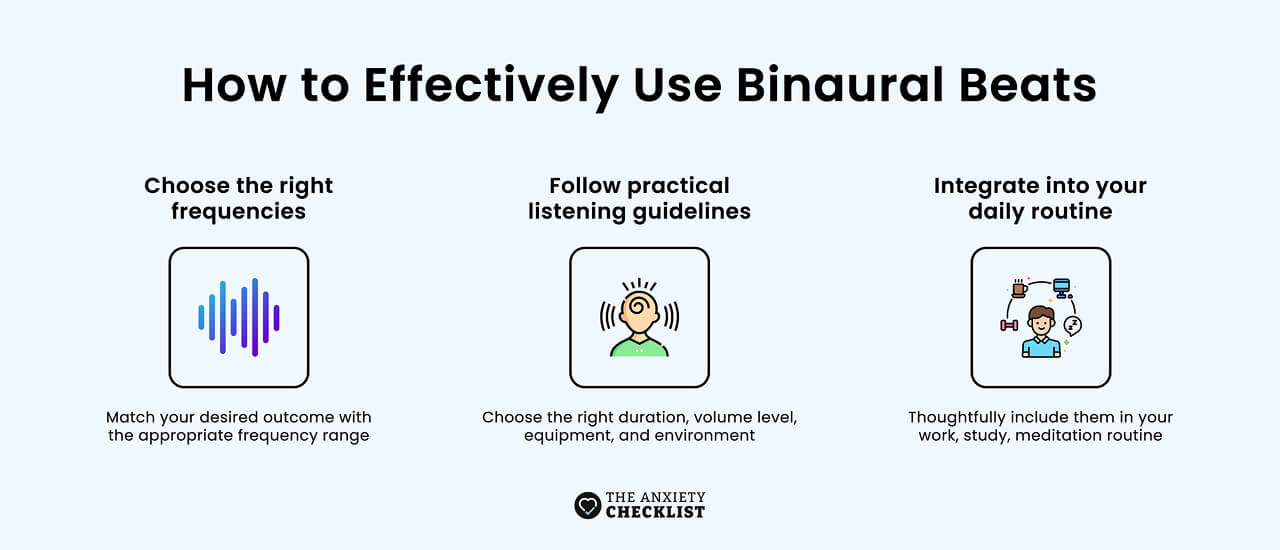
Understanding how to properly utilize them can significantly enhance their potential benefits. Here are some key factors to consider when integrating binaural beats into your wellness routine:
Choose the Right Frequencies
- The effectiveness of binaural beats lies in their ability to synchronize with specific brainwave states. The key is to match your current mental state and desired outcome with the appropriate frequency range.
- Delta (0.5-4 Hz): Ideal for deep sleep and healing. Use before bedtime or during meditation aimed at deep relaxation.
- Theta (4-8 Hz): Best for stress reduction, creativity, and light meditation. Suitable for afternoon relaxation or creative work.
- Alpha (8-14 Hz): Optimal for calm focus and stress relief. Perfect for study sessions or work that requires steady concentration.
- Beta (14-30 Hz): Designed for active problem-solving and increased alertness. Great for morning routines or intensive work periods.
- Gamma (30-100 Hz): argeted at peak cognitive performance. Useful for complex mental tasks or when maximum mental clarity is needed.
Listening Guidelines
- Most people find binaural beats most effective in a quiet, comfortable environment. A setting free from external distractions allows your brain to synchronize with the beat frequencies.
- To maximize the benefits of binaural beats, following some practical listening guidelines is essential. Here are some recommendations to keep in mind:
- Optimal Duration: Begin with short sessions of 15-30 minutes, gradually increasing to 45-60 minutes as you become more accustomed to the beats. Listening for too long initially might lead to discomfort.
- Alpha (8-14 Hz): Optimal for calm focus and stress relief. Perfect for study sessions or work that requires steady concentration.
- Volume Level: Keep the volume comfortable where the beats are audible but not overpowering. The goal is to create a soothing background sound.
- Equipment: Use high-quality earbuds or headphones to ensure clear and proper sound separation. Binaural beats require stereo headphones to create the desired auditory illusion.
- Optimal Ambience: Choose a quiet, distraction-free environment where you can fully immerse yourself in the experience without interruptions. Proper hydration and a relaxed posture can enhance the effects of binaural beats.
Integration into Daily Life
- Incorporating binaural beats into your daily routine can help reinforce positive mental states. Here are some practical ways to include them to have a better lifestyle:
- Morning Focus Boost: Start the day with beta or gamma frequency tracks to enhance alertness and cognitive function.
- Meditation Enhancement: Use theta waves during meditation to deepen relaxation and your mindfulness practice.
- Work and Study Sessions: Listen to alpha or low beta frequencies to improve focus and boost concentration and productivity.
- Stress Relief Breaks: During high-stress moments or even to relieve panic attacks, a short session with alpha or theta waves can promote relaxation.
- Pre-Sleep Routine: Wind down with delta waves 30-60 minutes before bedtime to encourage restful sleep.
- For those who want to experience it, here is a free Subliminal Audio track by AnxietyChecklist that incorporates Binaural beats for Anxiety Relief. This sound track also includes positive manifestations to help you ground yourself, like:
- "I am safe and secure."
- "My mind is calm and clear."
- "I release all worries and embrace peace."
- Listen daily for optimal results, ideally before bed or during moments of stress.
- Let us know how the free audio works for you! If you like it, please note that we include more of those in our Anxiety Masterclass.
Potential Side Effects and Precautions
- While binaural beats can offer numerous benefits, it’s essential to be aware of potential side effects and take necessary precautions. Although binaural beats are generally considered safe, some users report adverse effects.
- However, these side effects are typically mild and temporary, often resolving as your body becomes accustomed to the auditory stimulation. If you experience any, consider reducing the volume, limiting session length, or discontinuing use.
- Mild Headaches: Prolonged exposure to specific frequencies or high volumes may lead to headaches or migraines.
- Dizziness or Disorientation: Some users may feel lightheaded or dizzy, particularly if they’re sensitive to auditory stimuli.
- Altered Mood or Emotions: Certain frequencies may trigger unexpected emotional responses in some users.
- The beats should be listened to using stereo headphones — This ensures that each ear receives the correct frequency without interference from external noise.
Who Should Avoid Binaural Beats
- Certain individuals should exercise caution or avoid using binaural beats altogether. These include:
- People with Seizure Disorders: Binaural beats may influence brainwave activity, which could potentially trigger seizures in individuals with epilepsy or other seizure disorders.
- Individuals with Neurological or Mental Health Disorders: Those with brain-related conditions, schizophrenia, severe anxiety, or depression should consult a healthcare professional before using binaural beats.
- Pregnant Women: While no direct harm has been proven, pregnant individuals should err on the side of caution and consult a doctor before using binaural beats extensively.
- Children and Adolescents: Young developing brains may react differently to auditory interventions like binaural beat stimulation. Therefore, prolonged exposure is not recommended.
- Drivers and Machine Operators: Individuals engaged in tasks like driving that require full alertness should avoid listening to binaural beats that promote relaxation or drowsiness.
Psychological Considerations
- Binaural beats are not a replacement for professional therapies like psychotherapy for anxiety or Cognitive Behavioral Therapy (CBT) or medical intervention. Here’s what you should do when using binaural beats:
- Manage Expectations: Binaural beats are a tool, not a guaranteed cure for anxiety, stress, or focus-related issues.
- Monitor Emotional Responses: Try an alternative if a certain frequency induces any anxietyor discomfort.
- Combine with Other Techniques: Consider integrating binaural beats with mindfulness, meditation, or cognitive-behavioral strategies for a more comprehensive approach to well-being.
- By understanding these potential risks and precautions, you can make informed decisions about safely incorporating binaural beats into your daily life.
- Important Note: While binaural beats come with potential side effects and psychological factors to consider, serious complications remain rare. Most individuals can safely enjoy binaural beats when used responsibly and with appropriate caution.
Frequently Asked Questions
Binaural beats result in the brain perceiving a third, imaginary beat that causes your brain to synchronize with a specific brainwave frequency. This process, known as brainwave entrainment, can help induce desired mental states like relaxation, focus, or sleep by guiding your brain's natural electrical activity.
Feeling weird after listening to binaural beats can be due to the brain adjusting to new frequency patterns. Starting with shorter sessions at a lower volume can help mitigate these effects.
While generally safe, binaural beats can cause discomfort for some users, including headaches, dizziness, or altered emotional states. Additionally, they may not work for everyone and should not replace professional treatments for anxiety or sleep disorders.
Listening to binaural beats during sleep can promote deeper rest, particularly with Delta frequencies. However, using headphones overnight may cause discomfort, and prolonged exposure at high volumes could lead to ear fatigue.
If you have a history of seizures, severe mental health conditions, or when you’re engaged in activities requiring full alertness, such as driving. Pregnant women and young children should also be cautious.
Conclusion
- Binaural beats offer a simple yet effective way to enhance focus, relaxation, and overall well-being. They can influence brainwave patterns and achieve various mental states, from relaxation to heightened focus.
- Whether you’re looking to improve sleep, boost creativity, or reduce stress, using the right frequencies and listening techniques can make a significant difference.
- While they’re generally safe, it’s important to be mindful of potential side effects and use binaural beats responsibly.
- If stress and anxiety are ongoing challenges for you, consider pairing binaural beats with our comprehensive anxiety checklist It's a practical guide to managing anxiety and creating a balanced lifestyle.
If you are in a crisis or any other person may be in danger - don't use this site. These resources can provide you with immediate help.


Stop guessing. Start understanding your anxiety.
Break free with expert-backed techniques in CBT & Hypnotherapy
- Guided exercises & worksheets
- Mobile app with affirmations, hypnosis & exposure tools
- Clear explanations that actually make sense
- 5+ Hours Anxiety Masterclass (Video)
Top Categories
Related Article
- Hypnotherapy Anxiety
- Breathing Exercises Anxiety
- Meditation Anxiety
- Naturopathic Treatments Anxiety
- Understanding CBT Anxiety
- Lifestyle Diet Changes Anxiety Management
- Subliminals for Anxiety Relief
- Psychotherapy for Anxiety
- Binaural Beats Anxiety Relief
- Solfeggio Frequencies Anxiety Healing
- Benefits of Crying Anxiety
- Exposure Therapy Anxiety
- Psychiatrist for Anxiety
- Grounding Techniques Anxiety
- Power Poses Anxiety Confidence
- What is Journaling Benefits
- Affirmations for Anxiety
- Gratitude Journal Anxiety
- Gratitude Journal Prompts Anxiety
- Coping Cards Anxiety
- Hoffman Process Anxiety Healing
- What is ASMR Triggers Benefits Anxiety Relief
- Progressive Muscle Relaxation for Anxiety
- Smart Goals for Anxiety