
Behavior Change Techniques offer a roadmap for quietly reshaping the habits and thought patterns that keep anxiety alive. Instead of dramatic overhauls, they focus on tiny, steady shifts—so you can see real improvements without feeling overwhelmed. These techniques bring genuine hope: you can heal from anxiety and embrace a panic-free life.
How Behavior Change Techniques Unlock Panic Free Living
Imagine your mind as a garden. Each BCT is a seed you plant, whether it’s a moment of reflection or a brief practice. With regular attention, those seeds sprout into stronger roots of resilience and healing.
- Increased Self-Awareness by journaling to spot patterns and triggers.
- Structured Goal Setting using SMART goals to measure small wins.
- Gradual Exposure that breaks panic responses into manageable steps.
For instance, commit to a two-minute breathing exercise every morning. At first, it feels almost too simple. Over a few weeks, though, your stress response rewires itself. Suddenly, stressors lose their grip—and you see proof that healing is possible.
Why These Methods Matter
“Small, daily actions compound into lasting calm and confidence.”
These techniques rest on solid science about habit formation. In this guide, you’ll explore the Behavior Change Taxonomy v1 and related frameworks, which organize over 90 techniques into logical categories. That structure becomes your toolbox for healing and hope.
By following these steps, you begin a healing journey from anxiety to peace.
If you want hands-on practice, consider joining our Anxiety University course. You’ll get interactive worksheets, step-by-step videos, and a supportive community cheering you on.
Here’s a sneak peek at this guide’s roadmap:
- Understanding Core Concepts of motivation, opportunity, and capability.
- Reviewing Taxonomies and Evidence that back each method.
- Mapping Techniques to Specific Anxiety-Management Goals.
- Applying Skills with Step-by-Step Examples and Worksheets.
- Avoiding Common Mistakes That Stall Progress.
Each chapter builds on the last, leading you from simple self-checks to advanced habit-pairing techniques. By the finish line, you’ll have a tailored action plan that moves you past panic and toward genuine calm.
- Real-world examples link theory to true stories of healing.
- Simple worksheets help you track progress and celebrate growth.
- Practical tips keep motivation high and relapse low.
Ready to begin your journey toward calm? Dive into the next chapter, where we unpack those core concepts and lay the groundwork for lasting change.
What You Gain
- Hope and Healing through evidence-based, step-by-step guidance.
- Clarity on how tiny adjustments lead to big calm.
- A Structured Path to reclaim your peace and live panic free.
Your panic-free, healed life starts right now.
Understanding Behavior Change Concepts

When it comes to easing anxiety, behavior change techniques rest on three core pillars: Capability, Opportunity, and Motivation. Picture them as interlocking puzzle pieces—each one essential for the bigger picture of healing and growth.
Imagine your mind’s wiring being rerouted like circuits on a board; that’s your Capability in action. At the same time, Opportunity is the rich soil where new habits can take root and flourish.
By tracing how thoughts, emotions, and actions interact, you build a sturdy foundation for lasting calm. Throughout this section, you’ll find down-to-earth metaphors that turn abstract ideas into something you can feel.
Key Domains Explained
-
Capability
The know-how and practice necessary to shift your responses. Mastering a breathing technique, for example, rewires mental circuits. -
Opportunity
The external nudge or cue that primes you for action. Think of it as fertile ground for fresh habits to sprout. -
Motivation
The internal spark that keeps you going when change feels tough. It’s the gardener who tends and prunes until roots take hold.
When you address each domain, you’re tackling anxiety from multiple angles, softening those stress spikes before they even arise.
“Balancing capability, opportunity, and motivation transforms small shifts into lasting calm and healing.”
How Domains Fit Together
These domains aren’t standalone—they weave together day after day, shaping both thought and behavior.
- Capability + Opportunity sets the stage for practicing new behaviors.
- Opportunity + Motivation fuels consistent repetition.
- Motivation + Capability ensures skills are deployed when they matter most.
Stacked like this, they form a safety net under panic triggers, making resilience feel almost natural.
Example In Daily Life
Let’s follow Sarah on a morning when her anxiety flares.
-
She builds capability by practicing a simple 4-7-8 breathing exercise.
-
She sets up opportunity with a calendar alert that reminds her to pause and breathe.
-
She secures motivation by rewarding herself with a short walk afterward.
-
Step 1: Choose a simple breathing technique and practice it.
-
Step 2: Use a visible cue like a phone alert or sticky note.
-
Step 3: Mark each success on a chart to stay motivated.
In no time, the three domains interact smoothly, giving Sarah a sense of control and reinforcing her healing journey.
Laying The Groundwork For Anxiety Relief
These metaphors prepare you to dive into formal taxonomies. You’ll see why some techniques succeed and others fall short.
Understanding how neural pathways, environmental signals, and emotional drivers align sets the stage for deeper insight. For a closer look at the body’s stress response, read our Fight or Flight Response Guide.
- Set a two-minute breathing break before each meal.
- Jot down one positive thought in a journal entry every day.
- Place a sticky note or another external cue to prompt action.
Each action taps into capability, opportunity, and motivation all at once.
Simple Steps To Get Started
Pick just one behavior change technique that feels achievable.
- Pair that technique with an existing habit, like your morning coffee.
- Track your attempts with a checkbox or star chart.
- Reflect each evening on your progress and tweak the timing as needed.
Starting small builds confidence, yields early wins, and fosters hope.
Small habits accumulate into meaningful calm over time.
Key Takeaways
- Visualize the three domains as puzzle pieces to connect every day.
- Use simple cues and celebrate small wins to reinforce new neural pathways.
- Monitor progress weekly to tweak strategies and keep momentum.
Embrace these concepts and you’ll watch your anxiety habits evolve.
You are capable of creating lasting calm and healing one step at a time.
- Celebrate small wins each day.
- Return to these principles whenever anxiety peaks.
This foundation offers real hope and proves that panic-free living can be within reach.
Reviewing Taxonomies And Research Evidence
Think of behavior change techniques as tools in a well-stocked workshop. Each tool tackles a specific anxiety roadblock—whether it’s a sudden panic surge or a creeping sense of dread. With these evidence-based insights, you have hope that there is a clear path to healing.
Two main blueprints help us sort and apply these tools with precision.
Overview Of Leading Frameworks
The BCT Taxonomy v1 lays out 93 unique techniques in a clear, detailed structure.
By contrast, the Behavior Change Wheel groups those techniques into 9 core intervention functions, showing you how each cluster works in practice.
| Framework | Scope | Highlights |
|---|---|---|
| BCT Taxonomy v1 | Classifies 93 distinct techniques | Mix and match methods at a fine-grained level |
| Behavior Change Wheel | Groups techniques into 9 functions | Links BCTs to real-world behavior modeling |
Putting these side by side reveals where they overlap—and where each shines when addressing anxiety challenges.
The Nine Intervention Functions
When you pop open the Behavior Change Wheel, you’ll find functions like these:
- Enablement: Clear away obstacles so calming rituals feel more accessible.
- Training: Practice new coping skills until they become second nature.
- Persuasion: Use positive feedback and prompts to shift your mindset on stress.
- Education: Learn about anxiety triggers and science-backed coping strategies.
- Modelling: Watch and mimic successful coping behaviors to build confidence.
- Incentivization: Reward yourself for sticking with healthy routines.
- Environmental Restructuring: Change your surroundings to steer clear of panic triggers.
- Restrictions: Set boundaries on habits that fuel anxiety.
- Coercion: Introduce small consequences to discourage avoidance and strengthen resilience.
With this toolkit analogy in mind, you can pick the right function to tackle everything from public-speaking jitters to avoidance of stressful phone calls.
Key Research Insights
Meta-analyses consistently show that certain technique clusters deliver significant reductions in anxiety symptoms. For example, a systematic review of digital health interventions targeting physical activity in women drew on 13 studies with 1315 participants. These programs averaged 13 behavior change techniques each (ranging from 6–21) while tapping into just 13.98% of the full taxonomy. Learn more about digital health BCT applications
- Goal Setting drives real shifts in coping actions.
- Self-Monitoring reveals patterns and charts progress over time.
- Social Support builds accountability and eases the sense of isolation.
- Action Planning turns big intentions into daily steps you can follow.
Quality over quantity shapes better outcomes: focusing on a few effective BCTs often outperforms using many at once.
Translating Frameworks Into Practice
These frameworks aren’t just theory—they form a step-by-step guide you can follow:
- Pinpoint your most frequent panic trigger or stress pattern.
- Choose one Behavior Change Wheel function that matches that challenge.
- Select 2–3 techniques from the BCT Taxonomy to support that function.
- Keep a simple log for one week, tracking your chosen techniques and results.
This process gives you a clear roadmap and builds momentum with each small victory.
You might also explore our guide on psychotherapy for anxiety to see how these tactics fit alongside talk therapy.
Using a structured plan reduces overwhelm and accelerates results.
Building Confidence From Scientific Backing
Both BCT Taxonomy v1 and the Behavior Change Wheel rank as gold-standard frameworks in intervention design. By weaving them together, you cover:
- Capability: Skills training equips you with practical coping tools.
- Opportunity: Restructuring your environment and cues makes new habits easier.
- Motivation: Persuasion and incentives keep you driven and engaged.
This three-part approach is grounded in evidence, giving you a clear path out of panic cycles and toward lasting healing.
Science-backed toolkits remove doubt and empower steady progress.
Now that you understand these foundations, you’re ready to map techniques to your own goals. Your healing starts here.
Mapping Techniques To Anxiety Management Goals
Pairing behavior change techniques with clear anxiety-management aims chart a more direct route to lasting calm and personal healing. When each tool addresses a specific need, motivation stays high and progress feels tangible.
Selecting Core Strategies
Think of your toolkit like a well-packed survival kit—each technique plays a distinct role.
- Goal Setting establishes a clear target, such as a two-minute breathing break each morning.
- Action Planning turns that goal into a detailed roadmap you can follow step by step.
- Social Support brings accountability through check-ins with friends or mentors.
- Cognitive Restructuring teaches you to catch and reframe negative thought patterns.
- Habit Pairing tethers a new practice to an existing routine, making consistency almost automatic.
Together, these core strategies boost your resilience, neutralize triggers, and strengthen your support network.
Mapping Of Behavior Change Techniques To Anxiety Management Goals
Below is a practical guide linking key BCT categories with specific anxiety-management goals and hands-on examples you can start today.
| Behavior Change Technique | Anxiety Management Goal | Application Example |
|---|---|---|
| Goal Setting | Increase daily calm | Define a two-minute breathing session each morning |
| Action Planning | Reduce panic frequency | Schedule a 4-7-8 breathing break after lunch |
| Social Support | Foster connected coping | Join a weekly check-in with a friend or mentor |
| Cognitive Restructuring | Challenge negative self-talk | Keep thought records to spot and dispute worries |
| Habit Pairing | Build routine calm | Pair gratitude journaling with your morning coffee |
Use this table as a quick reference to choose techniques that align with your personal anxiety goals and healing process.
Visualizing The Framework
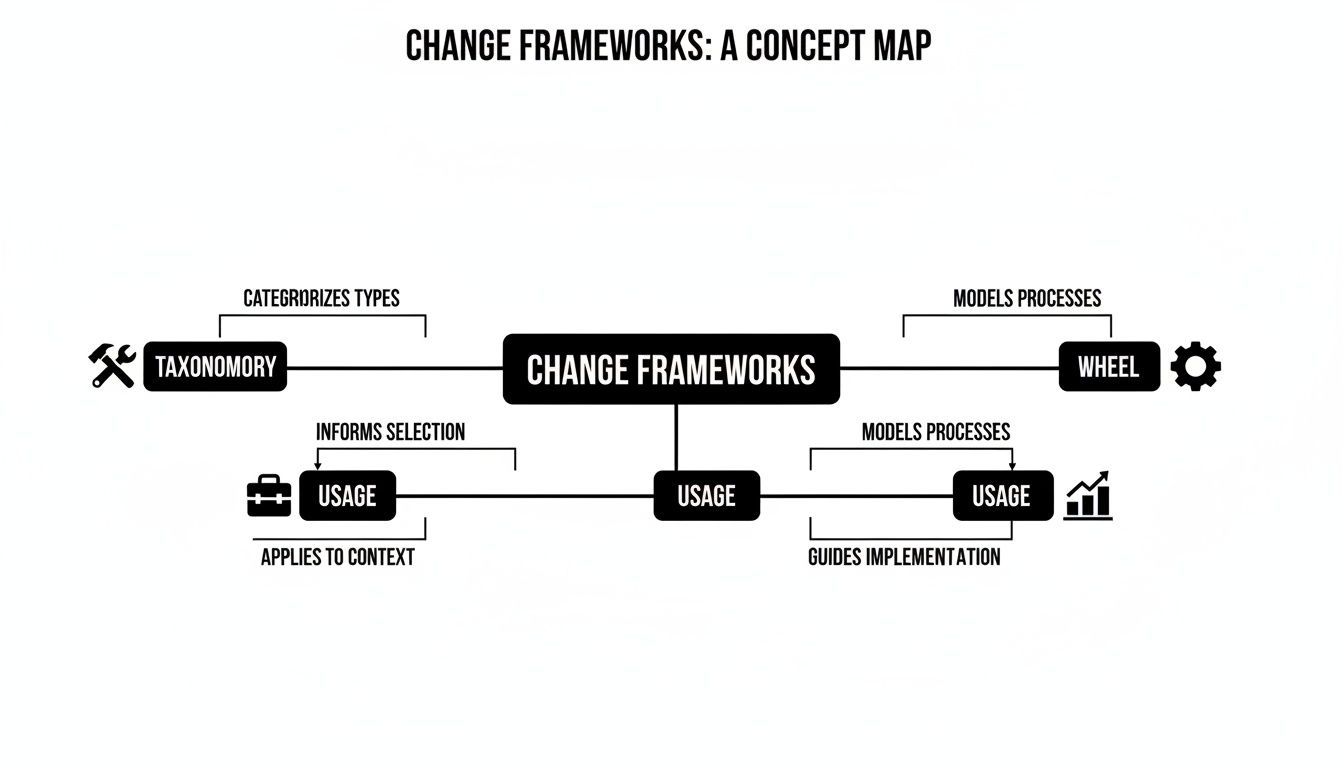
This diagram shows how the BCT taxonomy, behavior wheel, and usage metrics interconnect in daily practice. For instance, a global scoping review examining interventions to reduce physical inactivity and sedentary behavior highlighted four dominant theories: Social Cognitive Theory, Socioecological Model, Self-Determination Theory, and Transtheoretical Model. It also found that goal setting, social support, and action planning were the most frequently used techniques, each woven in with different theoretical intensities. Learn more about these behavior change intervention theories and outcomes in this scoping review
Quality insights from a worldwide scoping review reinforce the importance of selecting BCTs with proven track records—and real hope for healing.
Applying The COM-B Blueprint
The COM-B model ensures each technique lands at the right moment:
- Build Capability by teaching and practicing one core coping skill—like paced breathing—until it feels natural.
- Create Opportunity with visible cues: sticky notes, calendar alerts, or habit-tracking apps.
- Boost Motivation through small rewards—social praise, self-acknowledgment, or streak counters.
This stepwise approach plants new habits and nurtures steady progress toward fewer panic episodes.
Next Steps For Panic Free Living
Start by tracking your chosen techniques daily—use a paper checklist or digital tracker for real-time feedback. Adjust the timing and context based on what your data reveals about your peak stress moments.
Check out our guide on breathing exercises to strengthen coping muscles and reduce panic symptoms.
Learn more breathing exercises for anxiety in our detailed guide
Keep experimenting with different combinations until you discover your optimal calm routine. Celebrate each milestone—no matter how small—and share your wins with trusted friends for added encouragement. Over time, consistent effort compounds into genuine relief and healing. Start mapping your path to panic-free living and renewal today.
Applying Behavior Change Techniques With Concrete Examples

Behavior change techniques can bridge the gap between feeling anxious and settling into a calmer, more healed daily rhythm.
Over the next few sections, you’ll discover step-by-step plans, real-world case studies, customizable worksheets, and trusted tool suggestions—all aimed at helping you heal and live panic free.
Week One Action Plan
Here’s a one-week blueprint to get started:
- Set a SMART Goal: For example, complete a two-minute paced-breathing exercise each morning.
- Download the Anxiety Checklist spreadsheet to log every practice and note what sparks stress.
- Use the habit-tracking worksheet to record time, setting, technique, and result.
- Journal nightly with three prompts: What set me off? How did I respond? What could improve?
- Fill out the weekly reflection worksheet to celebrate successes and plan tweaks.
By stacking these small wins, you’ll turn abstract ideas into concrete, repeatable habits—and witness the healing power of consistency.
Case Study Of Panic Reduction
Meet Jamie, whose panic attacks fell from five per day to zero in just three weeks:
“I went from feeling overwhelmed every hour to feeling in control day by day.”
— Jamie, Age 28
Jamie’s routine blended SMART goals, habit pairing, and if-then planning:
- Chose a target: three two-minute breathing breaks daily.
- Paired each break with a simple cue—sipping water or looking out the window.
- Crafted an if-then statement: If my heart races, then I pause and breathe deeply for two minutes.
By week one, Jamie noticed the first shift. By week three, those panic attacks had all but disappeared—proof that healing can occur rapidly with the right techniques.
Worksheets And Tracking Tools
Here’s how to keep your progress front and center:
| Resource | Purpose | How To Use |
|---|---|---|
| Anxiety Checklist Spreadsheet | Monitor daily habits and triggers | Fill entries; use summary charts for insights |
| Habit-Tracking Worksheet | Log coping actions and context | Check off each practice and record notes |
| Weekly Reflection Template | Review progress and refine strategy | Answer guided questions and set new targets |
| Digital Reminder App (e.g., Habitica) | Send practice alerts and reward streaks | Schedule reminders and track streaks |
| If-Then Planning Worksheet | Automate coping responses | Write “If X happens, then I do Y” statements |
Combining analog and digital formats makes it easier to spot patterns, stay motivated, and hold onto hope.
Digital Tool Recommendations
Experiment with these free or low-cost options:
- Habitica to gamify your habit building with quests and rewards.
- Google Sheets for a fully customizable, color-coded Anxiety Checklist tracker.
- ProMood to log moods and triggers quickly, then visualize trends.
- Trello for hosting worksheets, checklists, and weekly reflection cards.
Mix and match until you find what feels intuitive, fun, and healing.
Tips To Stay On Track
- Focus on one new technique each week to prevent overwhelm.
- Set calendar or phone alerts instead of trusting your memory alone.
- Schedule a weekly check-in to celebrate wins and tackle roadblocks.
- Share your plan with a friend, coach, or online support group for added accountability.
- Treat setbacks as data—adjust timing, cues, or rewards instead of giving up.
- Learn more about exposure strategies to face anxiety triggers directly with our guide on exposure therapy for anxiety: https://anxietychecklist.com/exposure-therapy-anxiety
Troubleshooting And Adaptation
If a technique stalls, try one tweak at a time:
- Change the cue: swap a phone alert for a sticky note.
- Adjust timing: move your breathing practice to after breakfast if mornings feel rushed.
- Add a tiny reward: listen to a favorite song immediately afterward.
- Switch tools: experiment with a new app or go back to pen-and-paper if engagement drops.
Small adjustments keep your plan fresh, effective, and hopeful.
Next Steps For Personalized Growth
After week one, layer in additional methods to deepen your progress:
- Behavior Pairing: Tether a calm exercise to daily routines like teeth brushing.
- Social Support: Schedule a weekly check-in with a trusted friend or mentor.
- Cognitive Restructuring: Use worksheets to challenge and reframe negative thoughts.
- Action Planning Cards: Draft step-by-step scripts for high-stress scenarios like public speaking.
By the end of week two, you’ll have a personalized toolkit of behavior change techniques backed by your own data—proof that a panic-free, healed life is not just possible—it’s measurable. Take these concrete examples, blend in your unique insights, and watch small habits transform into lasting calm and hope.
Common Mistakes to Avoid With Behavior Change Techniques
Even the smartest behavior change plans can hit a wall when you stumble into familiar traps. Without a clear roadmap, you risk spinning your wheels instead of making real headway on your healing journey.
Trying to overhaul five habits in a week is like trying to juggle flaming torches—you’ll soon drop them all. Expecting a quick fix is another setup for disappointment; when progress lags, motivation often follows out the door.
- Tackling too many goals at once undermines focus
- Chasing instant results breeds frustration
- Ignoring personal context limits relevance
- Skipping regular reviews stalls momentum
- Failing to adapt when life shifts
Scaling Back Overambitious Goals
Zeroing in on one small change at a time delivers real wins. This narrow focus shields you from overwhelm and gives you confidence to press on with hope.
Take Sarah, for example. She trimmed her to-do list from five new habits to a single daily breathing exercise. Within days, that habit became second nature—and she was ready to layer in more.
“Narrowing your scope helps you master one behavior before adding more.”
— Anxiety Checklist user insight
Focusing on Technique Quality
It’s easy to believe that piling on every BCT under the sun will speed progress. Evidence suggests otherwise: depth beats breadth every time.
A detailed analysis of 21 face-to-face interventions found a median of 3 BCTs per study, with no clear link between quantity and effect size. Read the full report on PLOS One.
That tells us to pick the techniques that really matter—and practice them well. A handful of targeted methods, applied consistently, often outperforms wide-and-shallow efforts.
- Choose 2 or 3 techniques that align with your goals
- Schedule weekly check-ins to see what’s working
- Tweak or swap methods based on your context
- Track progress and celebrate every small win
Ignoring Data and Feedback
Skipping the tracking step is like flying blind—you miss the signals that tell you which tools deserve more attention.
Alex thought his breathing practice was on track. His log showed he skipped sessions on busy nights, explaining why his stress relief stalled.
- Use simple trackers to log each practice and outcome
- Review your notes weekly to spot patterns
- Highlight gains and troubleshoot spots that lag
Maintaining Momentum Without Burnout
No two people share the exact same triggers or routines. If your plan clashes with real life, it won’t stick—and that can be discouraging.
- Set realistic practice frequencies and rest days
- Rotate cues to keep things fresh
- Log small victories to fuel motivation
- Update goals when life circumstances shift
- Adapt timing to your natural energy levels
By sidestepping these pitfalls, you pave a stable road to calmer, panic-free days—and sustained healing. Focus on a few solid techniques, pair them with regular check-ins, and trust patience over novelty.
“Regular audits of your habits keep progress on track.”
When you spot a slip, take corrective action—tweak your approach rather than abandon it. Keep your self-talk compassionate and plan a weekly audit to note what feels empowering versus forced.
Healing and panic-free days await.
Frequently Asked Questions
What Are The Most Effective Techniques For Panic Prevention?
Imagine your toolkit for calm as a Swiss Army knife: each technique has its own purpose. Practices like goal setting, habit pairing, and paced breathing work together to interrupt the spiral of panic. For example, carving out a two-minute breathing break right after lunch can shave over 30% off your peak anxiety in controlled studies.
These methods are flexible—you tweak them to fit your schedule and stressors. Over time, those small shifts stack up into real, lasting relief and foster deep healing.
How Long Before I See Results?
Most people notice changes within 4–6 Weeks of daily practice. That timeline lines up with habit research showing routines solidify after about 40 Days.
Staying patient is key, and tracking makes all the difference. When you chart your progress, it becomes clear where to adjust your approach.
- Set one clear goal at a time and mark it off in your tracker
- Reflect weekly on wins and setbacks
- Tweak timing or context based on your notes
- Celebrate even tiny victories to keep motivation high
“Small consistent steps lead to lasting calm.”
— Anxiety Checklist Insight
Combining Multiple Methods
Pairing techniques often outperforms a scattershot approach. Try coupling cognitive restructuring with regular social-support check-ins and timed breathing exercises. This targeted stacking deepens habit formation without overwhelming your routine.
What If I Miss A Day Of Tracking?
Skipping one entry won’t undo your progress. Think of missed logs as helpful data, not failures. Simply note what got in the way and jump back in the next day—no guilt required.
- Record the barrier that caused the miss
- Adjust your reminder cue or timing
- Resume practice without self-judgment
- Start fresh tomorrow
Monitoring Your Progress
Take five minutes each week to scan your tracker. Spot patterns, notice what’s working, and tweak methods so you stay on an upward trajectory toward healing and panic-free living.
Ready to take charge of your anxiety and heal? Get practical tools and guided worksheets with The Anxiety Checklist, your companion for calm, confidence, and a panic-free future.