
When a panic attack finally lets go, you're not instantly back to normal. Far from it. You’re left feeling shaky, wrung out, and emotionally raw—like you’ve just run a marathon you never signed up for.
This feeling is often called a “panic attack hangover,” and it's your body’s completely normal response to an intense adrenaline surge. While it's draining, it's also a sign that you're safe and the storm has passed. Most importantly, it's a temporary—and manageable—phase on the path to living panic-free.
The Panic Attack Hangover Explained
If you've ever felt completely bewildered by the wave of exhaustion that washes over you after a panic attack, you’re not alone. This is an incredibly common experience, and it has a clear biological explanation.
Understanding what’s happening inside your body is the first step toward feeling in control again. It helps you see that these feelings, while deeply uncomfortable, are not dangerous. They are signals that healing has already begun.
Think of a panic attack as a biological false alarm. Your body’s sophisticated threat detection system, designed to keep you safe from real danger, has been accidentally triggered. It floods your system with adrenaline and other stress hormones, getting you ready to either fight for your life or run for the hills.
But when the threat you were prepped for never shows up, your body is left with a massive energy debt and a surplus of powerful chemicals to clear out. This recovery process is where hope begins.
What to Expect After the Alarm Stops Ringing
The aftermath is simply your body's slow, methodical process of returning to baseline. The intense physical and emotional sensations you're feeling are direct side effects of this hormonal comedown.
They are not a sign that something is still wrong. They're proof that your body did exactly what it was designed to do—it just reacted to the wrong cue. You can learn more about this reaction by reading our in-depth guide to the fight-or-flight response.
A panic attack is your body's alarm system misfiring; it is not physically harmful. The post-panic exhaustion is your body recovering from an intense adrenaline surge, much like muscle soreness after a sprint.
This recovery phase can be confusing, but knowing what to expect can demystify the experience and give you some much-needed reassurance on your journey to healing.
What to Expect After a Panic Attack
The table below breaks down some of the most common sensations you might feel in the hours after a panic attack and explains why they happen. Think of it as a roadmap for your recovery—reinforcing that this "hangover" is a predictable part of the process.
| Symptom Category | Common Sensations | Why It Happens |
|---|---|---|
| Physical | Shaking, trembling, muscle fatigue, deep exhaustion, headaches. | Your body is recovering from the massive energy expenditure and adrenaline surge. |
| Emotional | Feeling emotionally raw, tearful, sad, or unusually numb and detached. | The intense emotional peak of the attack leads to a subsequent emotional crash. |
| Cognitive | Brain fog, difficulty concentrating, feeling disconnected from reality (derealization). | Your brain is fatigued from being on high alert and is working to recalibrate itself. |
Remember, these sensations are temporary. Each moment that passes is another step toward equilibrium.
This experience doesn't define you. More importantly, it offers a chance to learn about your body's incredible resilience. With the right knowledge and tools, you can shift from fearing these episodes to understanding them, paving the way for a life where you feel in control, hopeful, and panic-free.
Why Your Body Feels Drained and Your Mind Feels Foggy
That bone-deep exhaustion you feel after a panic attack isn't just in your head, and it's definitely not a sign of weakness. It’s the completely predictable result of your body going through an incredible physiological event.
Think of it like this: your body just ran a full-out sprint, but you never even left the room. When the starting gun fired—the panic attack began—your system exploded with energy to handle what it thought was a life-or-death threat.
This isn’t just a feeling; it’s a powerful chemical cascade. Your adrenal glands flood your system with adrenaline, the hormone that cranks up your heart rate, quickens your breath, and puts your senses on high alert. It's the engine of the "fight-or-flight" response, and it burns through a massive amount of your body's energy reserves in just a few minutes.
Once your brain signals that the threat has passed, your body doesn't just flip an "off" switch. Now, it has to clean up the mess. This is where cortisol, another stress hormone, comes in to begin the long, slow process of bringing your system back to baseline.
This infographic breaks down how that process ripples through your body, mind, and emotions.
As you can see, the response starts in the central nervous system but radiates outward, creating a whole host of physical, cognitive, and emotional symptoms as your body works to recover.
The Science Behind the Brain Fog
That fuzzy, disconnected feeling and difficulty concentrating? That’s also a direct consequence of the hormonal flood. For the last several minutes, your brain has been operating at maximum capacity, scanning for danger like an overwound alarm clock. The resulting burnout leaves you feeling mentally sluggish and unfocused—much like a computer that grinds to a halt after running a massive program.
Beyond the fog, many people experience a strange sense of detachment from reality, a feeling known as dissociation. It can feel like you're watching your own life from a distance, or that the world around you is somehow fake or muffled.
"Dissociation is a protective mechanism. When the emotional and physical overload of a panic attack becomes too intense, your brain can temporarily 'check out' to shield you from the full impact of the experience."
This isn't a sign that you're "going crazy." It's your brain's built-in, though deeply unsettling, coping strategy.
Understanding what's happening in your body is the first real step toward taking back control. These sensations are just echoes of your body’s powerful, albeit temporarily misguided, survival instincts at work. The hope isn't just in waiting for the feelings to pass; it's in understanding them so you can manage them. To get a better handle on this, you can learn more about what a panic attack is and how to find relief. Healing begins when you can see these symptoms for what they are and start reclaiming your sense of safety.
Your Realistic Timeline for Feeling Normal Again
After the storm of a panic attack finally breaks, just about everyone asks the same question: "When will I feel like myself again?"
There's no one-size-fits-all answer, but recovery does follow a predictable, hopeful path. Knowing what to expect takes the pressure off, so you can stop worrying that you "should" be better by now.
The immediate aftermath is always the most intense. Think of this as the first 24 hours, where your only job is to let your body metabolize all those leftover stress hormones. You'll probably feel physically drained, mentally foggy, and emotionally raw as your nervous system works to find its balance again. This isn't a setback; it's the necessary first phase of healing.
With every hour that passes, you get further away from the peak of that alarm. Your body is already hard at work bringing you back to baseline.
Finding Your Footing in the Following Days
As you move into the next one to three days, that deep, bone-weary fatigue will start to lift. You might still feel more tired than usual, but the physical exhaustion will begin to fade. Mentally, the brain fog should start to clear up, though it's normal if your concentration isn't quite back at 100%.
This period is all about gentle self-care. It's the perfect time to practice some self-compassion and just listen to what your body is asking for—whether that's extra rest, a light walk, or some quiet time. A few things can really influence how quickly you bounce back:
- Sleep Quality: Deep, restorative sleep is your nervous system's best friend.
- Stress Levels: Your resilience is going to be lower for a bit, so minimizing outside stressors is key.
- Self-Care: Nourishing food, staying hydrated, and gentle movement all help your body repair itself faster.
The most important thing to remember is that you are on the path to recovery. Each attack is a temporary event, not a permanent state of being. The feelings will pass, and you will feel normal again.
This recovery period is proof of your own resilience. It's tough, but it’s also a powerful reminder that you can endure these intense moments and come out on the other side. You can explore more structured approaches by learning about the essential steps for anxiety recovery that build lasting resilience.
True hope comes from knowing that not only can you recover from this attack, but you can learn to build a life where anxiety no longer holds you back.
Immediate Steps to Soothe Your Nervous System
In the shaky moments after a panic attack, your mind might feel like it's racing a million miles an hour, but your body is begging for calm. Taking small, deliberate actions right now can feel incredibly empowering. It's how you gently guide your nervous system back to a place of safety.
This isn't about pretending you're okay or ignoring what just happened. It's about actively comforting yourself through the aftershocks.

The main goal is simple: send a clear message to your brain that says, "The threat is gone. You are safe now." The most direct way to do this is through simple, physical actions. They anchor you in the present and break the cycle of anxious thoughts that love to hang around after an attack.
And if you’re feeling overwhelmed by this experience, please know you are far from alone. Panic attacks are surprisingly common, affecting about 11% of Americans every single year. Just knowing this is a shared human experience can be a huge step toward healing.
Ground Yourself in the Present
When your mind feels disconnected and floaty, grounding techniques are your best friend. They reconnect you to your physical surroundings and your own body.
The 5-4-3-2-1 Method is a classic for a reason—it’s a powerful tool that pulls your focus away from the internal chaos and back to the world right in front of you.
- 5 Things You Can See: Look around the room. Name five objects you see. Notice their color, their shape, how the light hits them.
- 4 Things You Can Touch: Feel the texture of your shirt, the cool surface of a table, or the comforting warmth of a mug in your hands.
- 3 Things You Can Hear: Listen for the sounds you usually tune out—the soft hum of the fridge, birds chirping outside, a clock ticking on the wall.
- 2 Things You Can Smell: Take a deep breath. Can you smell coffee brewing, the soap on your hands, or fresh air from an open window?
- 1 Thing You Can Taste: Sip some water, pop a piece of gum in your mouth, or just notice the taste that’s already there.
This technique works because it forces your brain to switch gears. By engaging all your senses, you shift from abstract fear to concrete, real-world information. It’s a powerful way to remind your body that you are physically safe, right here, right now.
Calm Your Body with Your Breath
During a panic attack, your breathing gets shallow and fast, which just adds fuel to the fire. Intentionally slowing down your breath is one of the quickest ways to dial down that physiological response.
Gentle, mindful breathing sends a direct signal to your nervous system that it's time to stand down. You can explore some easy and effective breathing exercises for anxiety to get started.
Don't underestimate the power of sensory comfort, either. Wrapping yourself in a heavy or warm blanket, sipping a cup of herbal tea, or putting on some calming music can provide immediate, soothing sensations. Learning how to reduce anxiety naturally can give you even more strategies for your toolkit.
Finally, once you feel up to it, consider a little light movement. A slow, mindful walk can help your body process all those leftover stress hormones like adrenaline and cortisol, easing the physical tension and restlessness. Each of these steps is an act of self-care, building proof that you have the power to soothe yourself and recover.
Building a Life Beyond Panic and Fear

The moments right after a panic attack are all about getting back on your feet. But true healing isn't just about surviving the aftermath—it's about building a life where the fear of another attack doesn't call the shots. It’s the shift from simply coping to truly living.
That leap can feel huge, but it starts with one simple, powerful truth: you can change your relationship with anxiety. A life where you feel in control isn't a fantasy. It's built with proven strategies and a little bit of hope. You're not broken, and a future free from the grip of panic is absolutely possible.
Taking the Driver’s Seat in Your Recovery
Long-term healing is about learning to question the very thoughts that fuel panic in the first place. That’s the entire idea behind powerful, evidence-based therapies like Cognitive Behavioral Therapy (CBT), which is one of the most effective ways to treat panic disorder. With CBT, you learn to become a detective of your own mind, investigating fearful thoughts and checking if they hold any water.
Instead of automatically believing a thought like, "My heart is racing, something is terribly wrong," you learn to challenge it. You counter it with evidence: "My heart is pounding because of adrenaline. It feels awful, but it's not dangerous. I've been here before, and I've always been okay." Practicing this simple reframing, over and over, actually rewires your brain’s response to anxious feelings, taking apart the panic cycle piece by piece.
True healing isn’t about making anxiety disappear forever; it’s about stripping it of its power. You're teaching your brain that the false alarm is just that—false—until it finally gets the message and stops pulling the cord.
Practical Tools for Building Resilience
Feeling empowered starts with understanding your own patterns. You can begin right now with simple tools to track what’s going on. Collecting this "data" puts you back in charge, turning a confusing, overwhelming experience into something you can actually predict and manage.
Try using a journal or a basic spreadsheet to keep an eye on a few key things:
- Your Triggers: What was happening right before the anxiety kicked in?
- Your Symptoms: What did you feel, both physically and emotionally?
- Your Coping Strategies: What did you do to get through it? What seemed to help?
This simple act helps you spot connections you’d otherwise miss. Maybe you’ll notice that your anxiety spikes after too much caffeine or a night of bad sleep. A great way to put this knowledge into action is by using a fear ladder to manage anxiety, a structured tool that helps you face your fears in small, manageable steps.
Recovery looks different for everyone, but the outlook is incredibly positive with the right support. While research shows 20-50% of people see improvement with medication alone, therapy often delivers better long-term results because recurrence can be high once medication is stopped. To truly build a life beyond panic, it’s key to focus on your overall wellness and explore various wellness resources that support you. These are the steps that build lasting resilience, helping you move from just surviving panic to actually thriving.
Frequently Asked Questions About Panic Attack Recovery
Once the exhaustion of a panic attack starts to fade, a whole new wave of questions can creep in. Getting clear, reassuring answers is a huge part of feeling in control again. Let's walk through some of the most common worries people have.
Can a Panic Attack Cause Lasting Physical Damage?
This is easily one of the biggest fears out there, and it’s completely understandable. When your heart is pounding out of your chest and you can’t catch your breath, it feels exactly like a major medical emergency.
But here’s the hopeful truth: a panic attack is your body's alarm system going off by mistake. It is not physically harmful. As terrifying and exhausting as it feels, it won't cause a heart attack or damage your organs.
That feeling of being completely wiped out afterward? That’s just your body coming down from a massive adrenaline rush. Think of it like the muscle soreness you feel after an all-out sprint you weren't prepared for. Of course, if you have existing health issues or you're ever truly in doubt, getting checked out by a doctor is the best way to get peace of mind. But the attack itself isn't the danger.
Why Do I Feel So Sad or Depressed After a Panic Attack?
It’s incredibly common to feel a wave of sadness, emptiness, or even a short-lived depression after a panic attack subsides. This emotional crash isn’t just in your head—it’s a mix of brain chemistry and the sheer psychological weight of what you just went through.
Your brain has just weathered an intense neurological storm. The sudden drop in feel-good neurotransmitters after such a peak can leave you feeling emotionally flat. On top of that, a panic attack can feel like a total loss of control, which naturally leaves you feeling defeated, vulnerable, and just plain drained.
It’s an emotionally brutal experience. Give yourself permission to feel these emotions without judging them. This emotional "hangover" is a normal part of the process, and it will lift as your body and mind find their footing again.
How Can I Explain This Feeling to My Loved Ones?
Trying to put the invisible exhaustion of a panic attack into words can be tough. People who haven't experienced it might not get it. Using a simple, relatable analogy can be a game-changer.
You could try saying something like: "Imagine you just had to sprint for your life from a real threat, but then the danger just vanished. My body went through all of that, so now I'm dealing with the physical and emotional crash as if it were real." Calling it a "panic attack hangover" is another really effective way to describe it.
Most importantly, be direct about what you need from them.
- "I really just need some quiet time to rest right now."
- "Honestly, a hug would help me feel grounded and safe."
- "Could you just sit with me for a little while? I don't need to talk."
This gives your loved ones a clear, practical way to support you, which is often exactly what they want to do.
Will I Ever Stop Fearing the Next Panic Attack?
Yes, you absolutely can. This "fear of the fear," also known as anticipatory anxiety, is often the toughest part of the entire experience. Overcoming it really comes down to two things: learning how to ride out the physical symptoms and, more importantly, changing your relationship with the fear itself.
With evidence-based tools like Cognitive Behavioral Therapy (CBT), you start to see the physical sensations for what they are: uncomfortable, but ultimately harmless, signals from your body. As you practice handling these feelings without letting them spiral into full-blown panic, you build confidence. And the more confident you become, the less power the fear has over you.
The goal isn't to never feel anxiety again—that’s not a realistic goal for any human. The real goal is to get to a place where anxiety is just a passing feeling, not something that dictates your choices and runs your life. A life free from the grip of panic isn't just possible; it's completely within your reach.
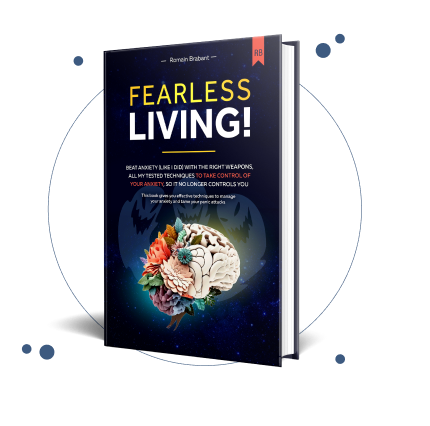
At The Anxiety Checklist, we believe understanding your anxiety is the first step toward reclaiming your life. Our Fearless Living system, which includes our comprehensive eBook and an interactive 93-point checklist, gives you the structured tools you need to challenge fearful thoughts, manage your symptoms, and build a life defined by freedom, not fear. Take the first step toward lasting relief and discover your path to a calmer future at https://anxietychecklist.com.