


In short
Build self-esteem by noticing harsh self-talk, questioning whether it is factual, and replacing it with fairer, more compassionate thoughts. Take small actions before you feel ready, keep achievable promises to yourself, and consciously record positive experiences. Invest in relationships where you feel valued, while noticing which social media comparisons leave you feeling worse.
Key takeaways
- Write down negative thoughts for a week before trying to change them.
- Replace sweeping self-criticism with specific, workable interpretations of mistakes.
- Choose one small challenge and act, even if you do not feel ready.
- Use hopeful affirmations; unrealistic claims can reinforce negative beliefs.
- Track whether appearance or achievement comparisons online reduce your sense of worth.
What Is Self-Esteem?
Self-esteem means the overall value and regard you hold for yourself as a person. It’s based on an internal baseline belief - “I am okay as I am.” This foundation decides if you approach life with confidence or feel inadequate and need to compensate.
Clinically, self-esteem is a core component of psychological well-being. It influences how you process feedback, respond to failure, take risks, and let others treat you. This is also why building self-esteem isn’t a one-step solution.
Overall, self-esteem is what you think of yourself and how you see yourself. It’s different from self-confidence or arrogance.
What are the Key Causes of the Modern Self-Esteem Crisis?
In today’s world, where people spend a lot of time on social media seeking validation, people’s self-esteem has taken a hit. A declining self-image, low workplace engagement, and digital comparisons are the key causes of the modern self-esteem crisis.
Let’s understand these briefly.
The Decline of the Social Self
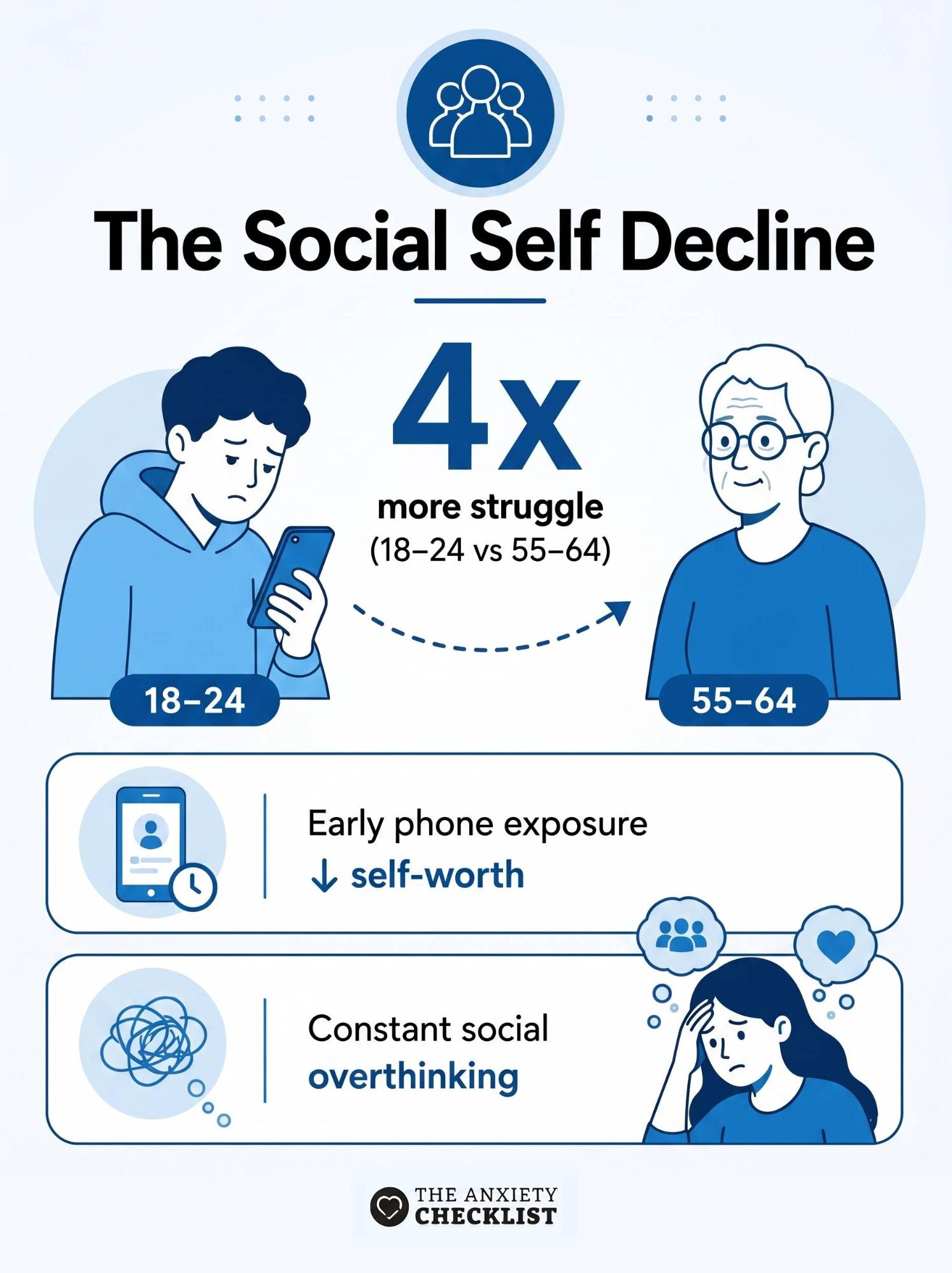
The 2025 Mental State of the World Report shows a clear decline in individuals' self-perception, especially among young adults. Those aged 18-24 are 4x more likely to struggle with mental health challenges than those aged 55 and older.
Early exposure to smartphones is linked to lower self-esteem among teens and young adults. The constant overthinking about their social standing makes it even harder for them to feel confident. Also, a higher reported rate of childhood trauma can make self-worth feel more fragile for many young adults.
The Workplace Engagement Slump
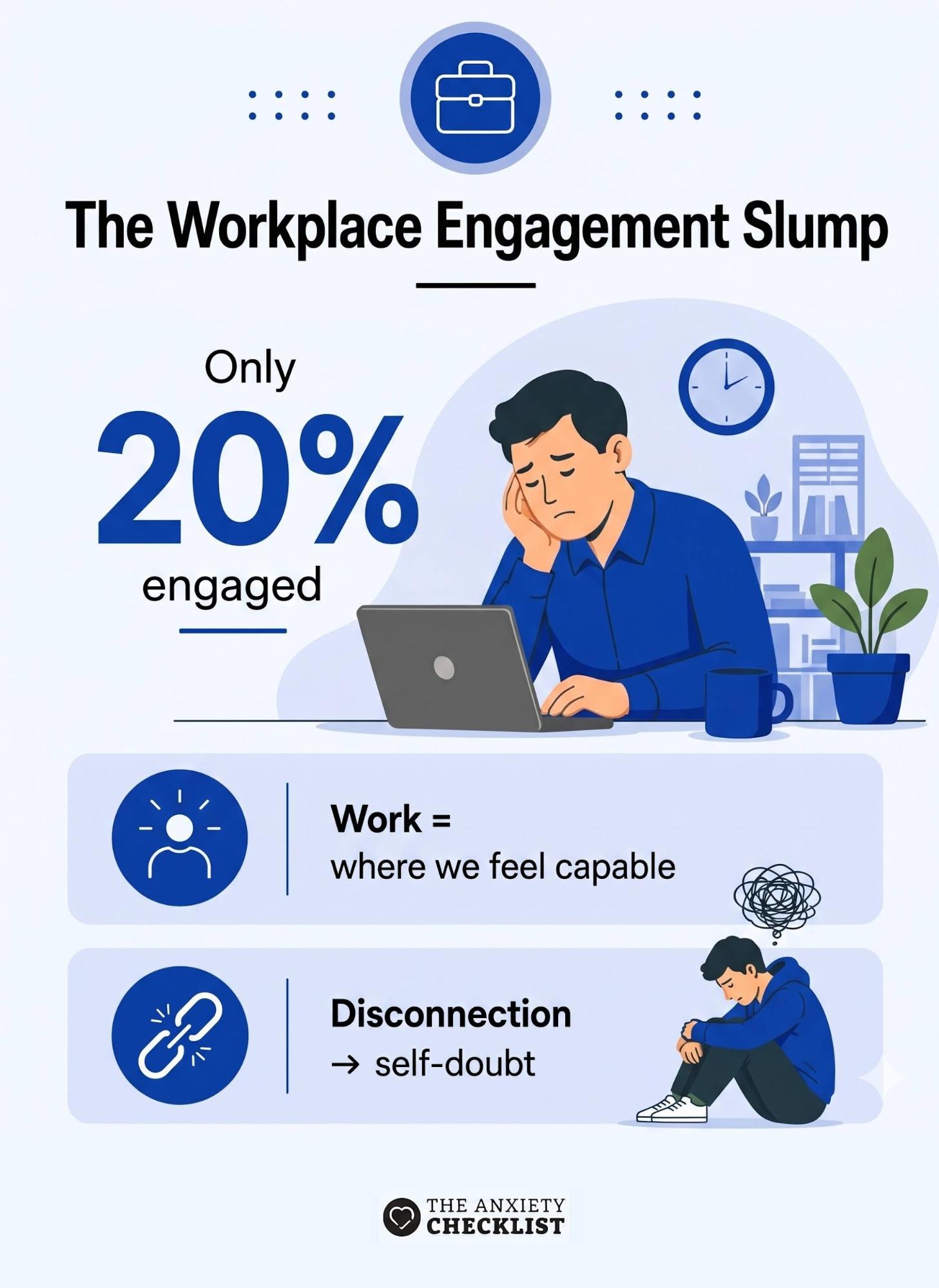
According to Gallup’s 2026 State of the Global Workplace report, global employee engagement has dropped to 20%, the lowest since 2020. This is crucial for self-esteem because work is one of the primary environments where adults feel valued and competent.
Negative experiences at work can cause people to feel detached. Feeling disconnected from our own skills and contributions can slowly reduce self-esteem.
The Burden of Digital Comparison
Social media has increased our natural tendency to compare, but at a scale we’re not designed to handle.
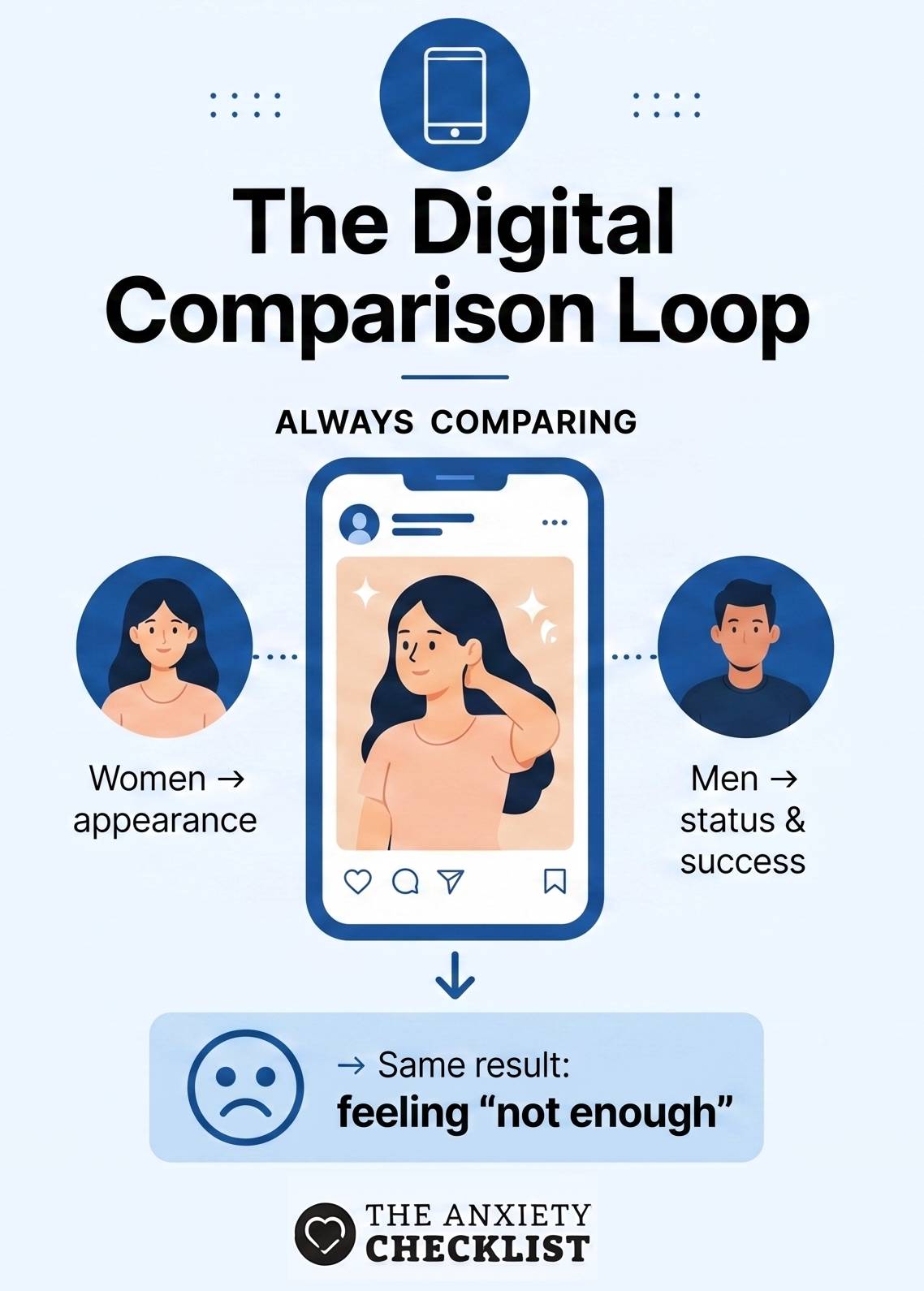
A 2025 study published on European Psychiatry found that platforms like Instagram and TikTok, which emphasize appearance, can harm self-esteem and cause body-image issues. Constant social comparison is one of the most common causes of anxiety, low self-esteem, and other mental issues.
Another 2025 study in PLOS One found that women often face body image issues from social comparison. In contrast, men usually compare achievements, status, and success. The common result of this perceived inadequacy is a diminished sense of self-worth.
Key Takeaway:
Common reasons for low self-esteem include:
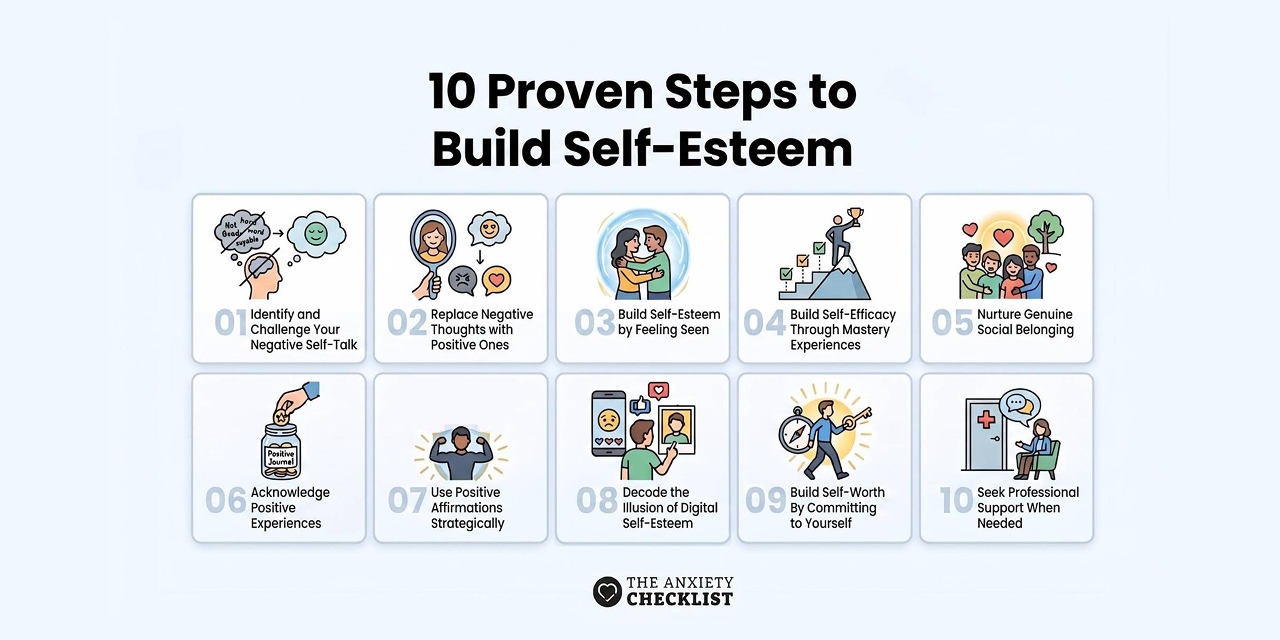
10 Proven Steps to Build Self-Esteem
Self-esteem is shaped through four specific mechanisms:
The following methods are built on these mechanisms to help you begin with what feels most urgent in your current situation.
1. Identify and Challenge Your Negative Self-Talk
Your inner voice runs in the background long before you consciously notice it. For those with low self-esteem, their inner voice is often harsh and twisted. This can shape their views before they have a chance to think clearly.
The core idea is to acknowledge the thought before trying to fix it. Once noticed, you can examine your thoughts and patterns. Cognitive Behavioral Therapy (CBT) approaches this with structural questioning. Examples include:
You’re not alone if your mind turns into a hard critic the moment you make a mistake or compare yourself to others. When that happens, observe the pattern closely so the brain no longer reads it as the truth.
This is where you can start.
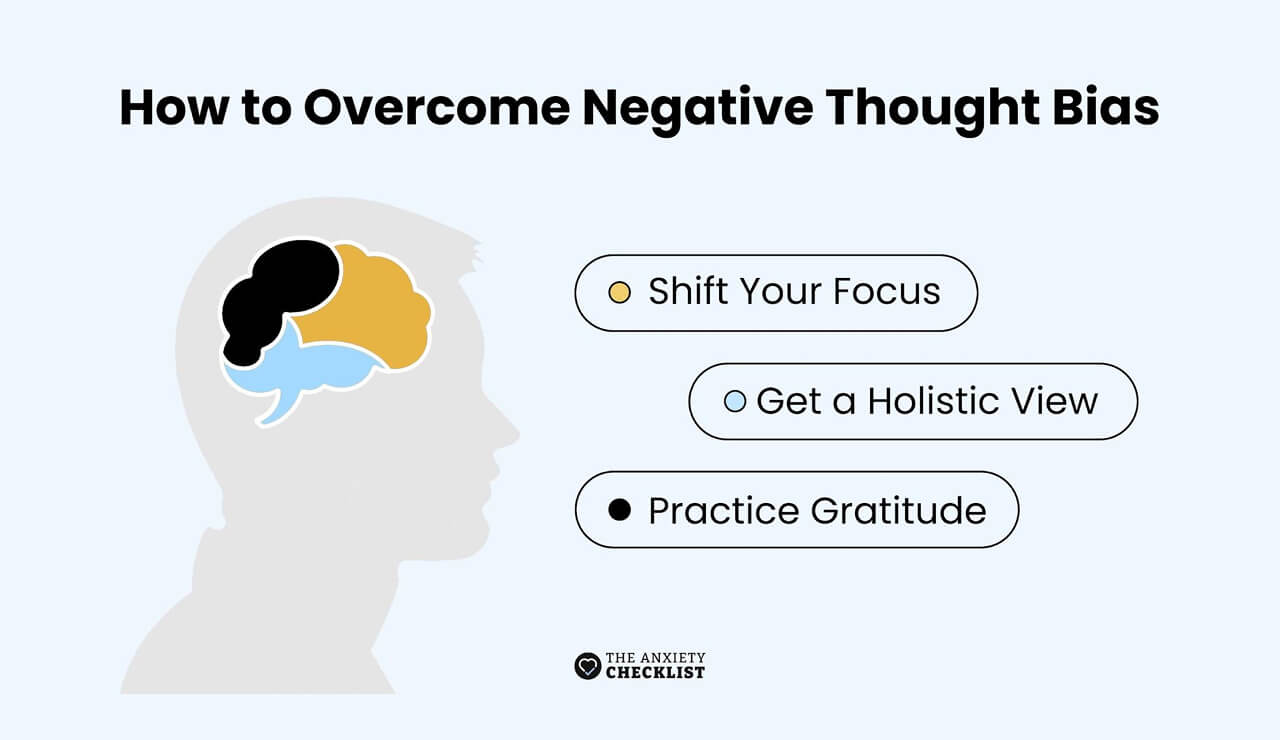
2. Replace Negative Thoughts with Compassionate Ones
Once you notice the thought, the next step is to respond to it more accurately. The goal is to replace self-criticism with more proportionate and consistent interpretations.
If you mess up and think, "I'm incompetent and don’t deserve this," try this instead: "I made a mistake, and mistakes help me learn and grow." Thought reframing interrupts the negative spiral and leaves a positive trail for your mind to follow.
This shift from catastrophic and permanent to specific and workable is a form of cognitive restructuring. Training the brain to self-evaluate fairly, as it does for others, boosts self-esteem.
Do the following to improve your self-esteem.
3. Build Self-Esteem Through the Experience of Feeling Seen
This step draws on the concept of Organization-Based Self-Esteem (OBSE).
OBSE is the measure of feeling seen and valued within a personal, academic, professional, or community setting. It’s about whether your environment values your presence, views, and contributions positively.
A research study of students in Germany, Indonesia, and the UAE was published in Frontiers in Psychology in 2025. According to this analysis, OBSE is a universal mediator that connects coping resources to thriving.
Students who felt valued and seen turned resources into self-growth even during tough times.
Start with the following assessment:
4. Strengthen Self-Efficacy Through Mastery Experiences
Self-efficacy is the belief that you can handle specific challenges. It’s one of the strongest internal drivers of self-esteem.
Self-efficacy often improves well-being, especially during economic or social challenges. When you believe you can handle things, stress feels more manageable.
One way to build self-efficacy is through Mastery Experiences. They are personal proof that you can do something difficult by actually doing it, even imperfectly, and surviving it.
This is why action matters so much. The practice of acting before you feel ready is central to building self-esteem. Remember: action creates evidence, evidence builds belief.
Here’s what you can do.
5. Nurture Genuine Social Belonging
Belonging, on a deeper level, means feeling like a welcomed part of something. Belonging is a basic psychological need. When it's unmet, it can harm mental health, self-esteem, and physical well-being.
In the Frontiers in Psychology study cited above, social belonging was identified as a direct predictor of thriving across all three countries studied. Feeling like you truly belong in a team, program, or community gives students a solid base.
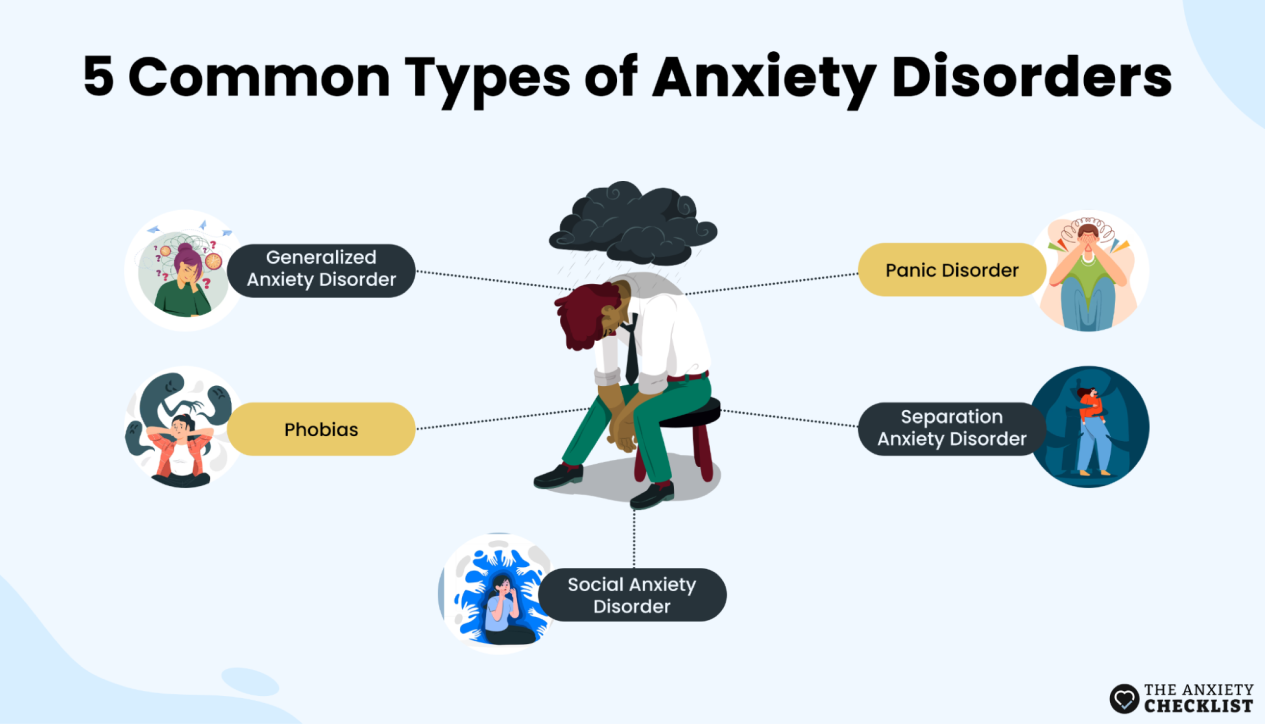
For many people, social anxiety is one of the primary barriers to building this kind of belonging.
Anxiety University provides evidence-based tools aimed at tackling anxiety disorders. These anxiety disorders often make real connections feel unsafe. Remember, self-esteem and anxiety usually go hand in hand.
Try this:
6. Deliberately Acknowledge Positive Experiences
Mental filtering is a common cognitive distortion in people with low self-esteem. They focus so much on negative information, such as criticism and failure, that positive evidence often gets ignored.
A day with nine affirmations and one criticism is mostly seen as a bad day.
This is a learned neural pattern that you can disrupt and reshape with Neuro-linguistic Programming (NLP) for anxiety.
The goal is not to create an unrealistic, overly positive view of your experience, but to give your brain equal access to evidence from both sides.
Follow these steps to register experiences positively.
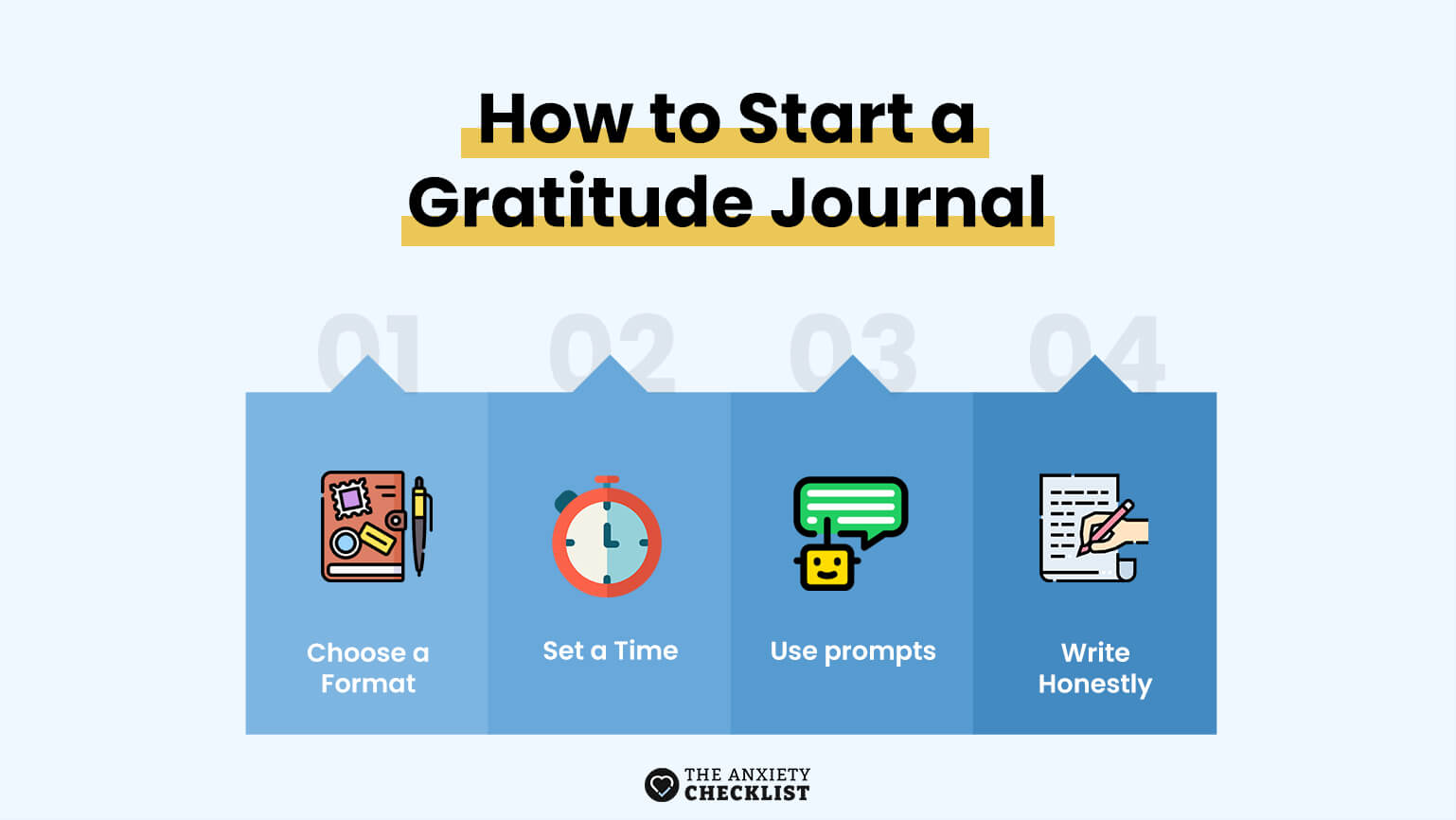
That gap is where your self-esteem gets rebuilt. Maintain a gratitude journal to keep identifying these gaps and establish healthy thought patterns.
7. Use Positive Affirmations Strategically
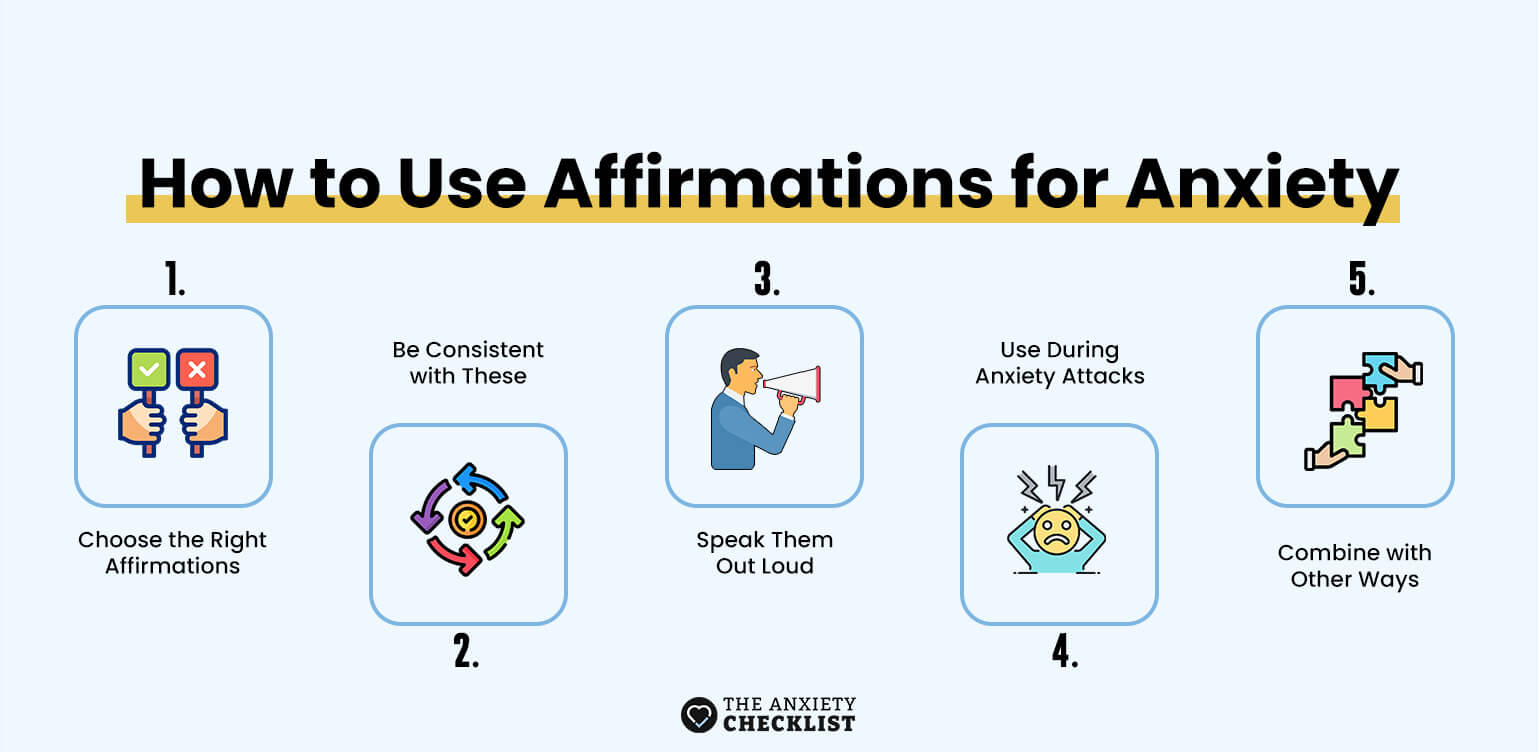
Positive affirmations are widely recommended, but many people misuse them.
For someone with low self-esteem, affirmations such as "I am confident and successful" can backfire, reinforce negative beliefs, and worsen things.
A more definite approach uses hopeful language: statements that allow growth, rather than superficial claims the mind rejects.
Try using positive language when talking to yourself:
If you're battling stress, anxiety, or panic attacks, we have 60+ affirmations you can pick from to feel calm.
8. Decode the Illusion of Digital Self-Esteem
Social media affects self-esteem in more ways than we can imagine. The mechanisms also vary by gender. Knowing your pattern helps build an effective response system.
For women and girls, the pressure usually centers on body image. For men and boys, the main pattern is about comparing achievements and status.
A teenage girl's self-esteem is often influenced by appearance-focused social platforms. They increase body dissatisfaction, lower self-esteem, and raise anxiety.
The presentation may differ for men and women, but the effect is the same: a feeling of inadequacy that quietly erodes self-worth.
Here’s how you can identify your pattern.
Being aware of how platforms shape and distort reality is crucial.
9. Build Self-Worth Through Commitment to Yourself
If you’re learning how to build self-esteem, one thing you need to do is to commit to yourself. It's about keeping the promises you make to yourself.
When you set a goal, such as “I will write for ten minutes every day”, and you follow through, you create a data point. Over dozens of repetitions, these small actions accumulate into a sense of personal reliability. That experience of being someone your mind can trust is a core component of healthy self-esteem.
However, people with low self-esteem often downplay their achievements. They might say their success is due to luck or outside help. Slowing down to consciously notice “I said I would do that, and I did,” and letting that register is accurate self-perception.
Here’s a 4-step practical approach you can follow.
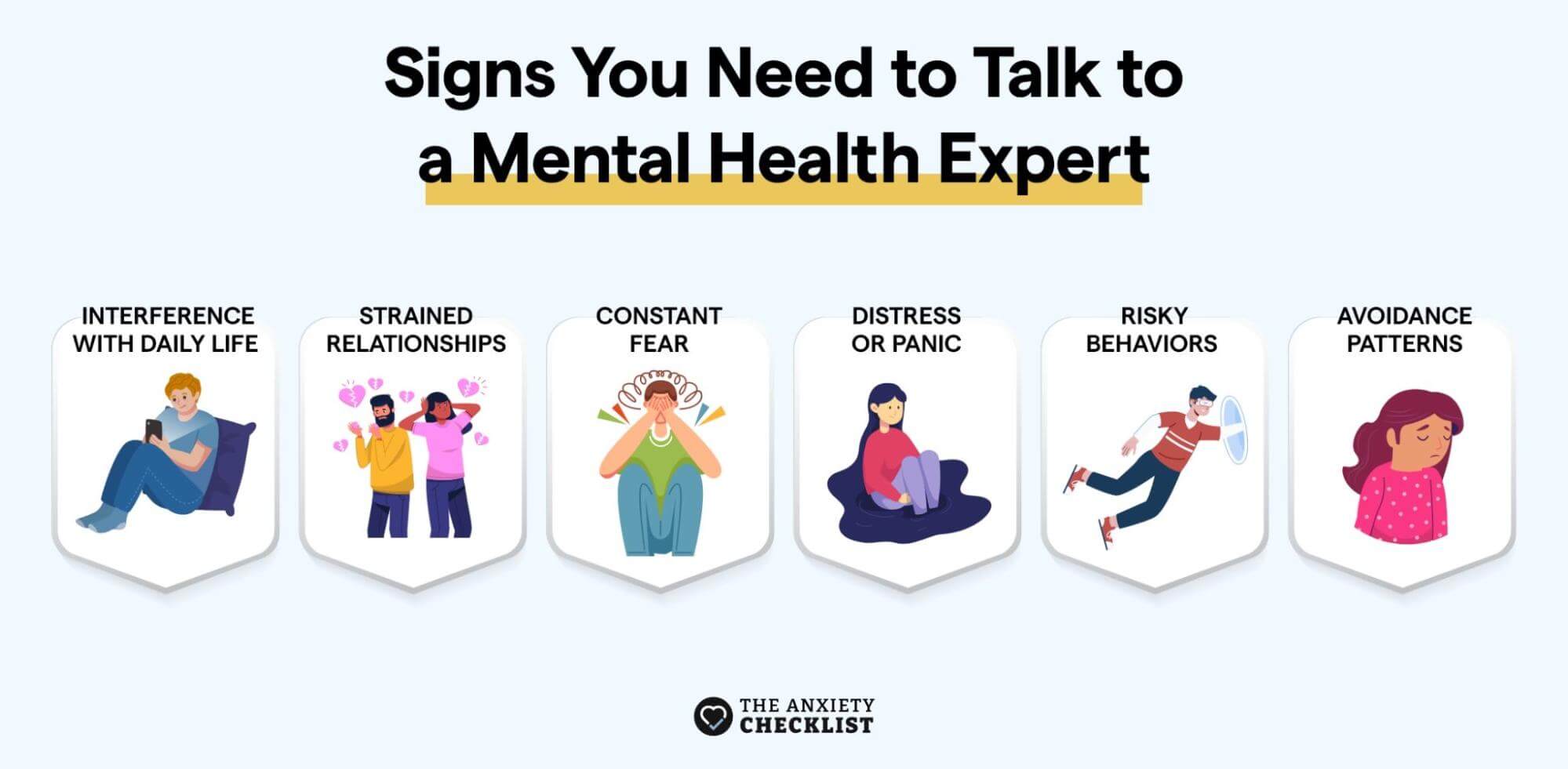
10. Seek Professional Support When Needed
Most people who struggle with mental health issues never seek professional support. When early life experiences involve anxiety, depression, or trauma, professional help is essential. Many of these patterns stem from emotional wounds, and identifying yours is the first step toward real change.
Using CBT is one of the most effective techniques for improving self-esteem. It can lead to real and lasting changes in how people view themselves. However, you need a trained professional for this.
If therapy has been on your mind and you’ve been delaying it, start by:
FAQ
The Path to Flourishing
Anxiety University
Explore the Anxiety University
Free guides to help you understand anxiety, one topic at a time.
- Getting StartedThe basics of anxiety and how it works
- Self-Assessments & Anxiety TestsCheck in on your symptoms with free tests
- Cognitive Traps & Thought PatternsSpot the thinking habits that fuel anxiety
- Stress ReductionPractical ways to calm your body and mind
- Common Anxiety PhobiasUnderstand specific fears and how they are treated
- Inspiring StoriesReal stories and words that remind you you are not alone