


You're holding your baby, running on broken sleep, and then it hits. Your chest tightens. Your heart pounds so hard you're sure something is terribly wrong. The room feels strange. Time warps. You may even start crying without understanding why. In that moment, many new mothers think, “I'm losing control,” or “I can't do this.”
If that sounds familiar, take one slow breath with me. Postpartum panic attacks are frightening, but they are treatable. They do not mean you're weak, broken, or failing at motherhood. They mean your nervous system is under strain, and it needs support.
There is a way to heal from anxiety and live panic free. That hope matters. You do not have to stay trapped in fear, and you do not have to figure this out alone.
Table of Contents
- Your First Postpartum Panic Attack Was Not Your Fault
- Understanding What Is Happening in Your Body and Mind
- How to Survive a Panic Attack in This Moment
- Building Your Path to Long-Term Recovery
- How Your Partner and Loved Ones Can Be Your Anchor
- Clear Signs It Is Time to Ask for Help
- You Are Resilient and You Will Feel Like Yourself Again
Your First Postpartum Panic Attack Was Not Your Fault
A mother might be changing a diaper at 2 a.m., notice her baby breathing fast, and suddenly feel a wave of terror. Another might be standing in the shower and out of nowhere feel dizzy, shaky, and certain she's about to collapse. A third might be rocking her newborn and feel a surge of fear so intense that she has to sit on the floor.
These moments can feel random, but they aren't a character flaw. They are a stress response. Your first postpartum panic attack was not your fault.
Postpartum anxiety is common. A maternal mental health fact sheet notes that anxiety disorders are the leading complication of childbirth and affect 1 in 5 U.S. women during the perinatal period, with anxiety often overshadowed by the public focus on depression alone (maternal mental health fact sheet). If you've felt alone in this, know that many mothers have stood where you're standing now.
What many mothers feel after the first attack
The first panic attack often creates a second fear. Not just fear of the symptoms, but fear of the next episode.
That can sound like:
- “What if it happens while I'm alone with the baby?”
- “What if this means I'm going crazy?”
- “What if I never feel normal again?”
Those thoughts are understandable. They're also not a prediction of your future.
Important truth: A panic attack feels dangerous. That does not mean it is dangerous.
Many mothers start searching for answers in a rush, trying to understand whether this is anxiety, hormones, sleep deprivation, or something else entirely. Reliable panic and anxiety relief tools can help you feel less lost while you sort out your next steps.
The most hopeful part is this. Postpartum panic attacks can improve. With the right support, many women move from crisis mode to steadier days, better sleep, less fear, and a growing sense of safety in their own body again. Healing often starts with one simple shift. Stop blaming yourself for a nervous system response you did not choose.
Understanding What Is Happening in Your Body and Mind
A postpartum panic attack can feel like your body has stopped being a safe place to live in. One minute you are feeding the baby, folding a onesie, or trying to rest. The next, your heart pounds, your chest tightens, your thoughts race, and your mind starts searching for a reason.
That experience is frightening. It is also explainable, temporary, and treatable.
What a panic attack actually is
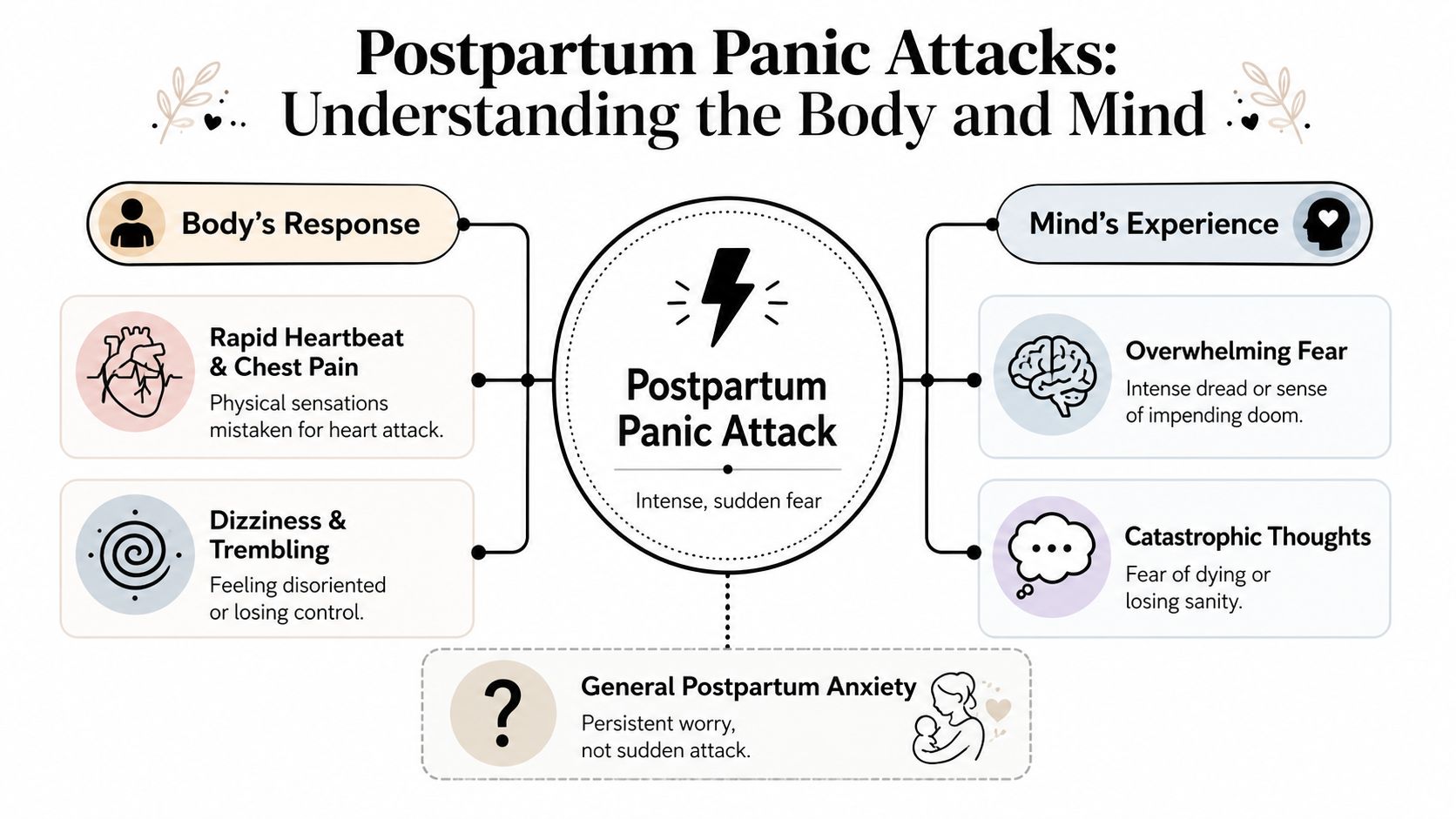
A panic attack is a sudden surge of intense fear and body alarm. It often arrives fast and can bring pounding heartbeat, shaking, dizziness, chest discomfort, nausea, unreality, or the terrifying sense that something catastrophic is happening.
A helpful way to understand it is this. Your nervous system works like a smoke alarm. Its job is to protect you by reacting quickly to danger. After birth, that alarm can become overly sensitive. Hormone shifts, broken sleep, physical recovery, overstimulation, and the constant responsibility of caring for a newborn can make harmless body sensations feel like proof that something is very wrong.
So your body sounds the alarm.
Then your mind tries to explain it.
That is why panic feels both physical and mental at the same time.
| Experience | What it can feel like |
|---|---|
| Body alarm | racing heart, shaking, chest discomfort, dizziness |
| Mind alarm | dread, doom, fear of dying, fear of losing control |
| Postpartum layer | crying spells, strange head sensations, time feeling distorted |
Some mothers also describe unusual head sensations, bursts of uncontrollable crying, or a strange feeling that time is slowing down or speeding up, as described in a postpartum panic concept analysis. These symptoms can feel bizarre. Bizarre does not mean dangerous. It means your stressed nervous system is misfiring.
Why postpartum panic can feel so intense
The postpartum period asks a lot from your brain and body at once. Hormones shift quickly after delivery. Sleep becomes fragmented. Your body is healing. Your attention stays on high alert because a baby depends on you.
For some women, those pressures lower the threshold for panic. A review of postpartum anxiety found that prior mental health challenges were linked with higher anxiety risk during this period (review of postpartum anxiety prevalence and risk). That does not mean your future is fixed. It means there is a reason this may be happening, and reasons can be treated.
Panic also grows through a feedback loop. You notice a sensation, like a skipped heartbeat or a rush of heat. Your brain labels it as dangerous. Fear rises. Your body releases more stress chemicals. The sensations get stronger, which convinces your mind that the danger must be real.
Many mothers get stuck fearing the next attack as much as the attack itself. That pattern is often described as the phobophobia and panic attack cycle.
What this means for recovery
Panic is a false alarm, not a character flaw. Your body is trying to protect you with too much force.
That is hopeful news.
If the problem is an overactive alarm system, the goal is not to become a different person. The goal is to help your nervous system feel safe again through rest, skills, support, and sometimes therapy or medication. Many mothers improve significantly when they understand what is happening and stop treating every symptom like evidence of danger.
If your symptoms are severe or outpatient care has not been enough, some families also explore structured treatment settings such as luxury rehab for anxiety and depression, especially when a mother needs more support than weekly appointments can provide.
Understanding the pattern is often the first quiet turning point. When you can say, “This is panic. My body is reacting. It will pass,” fear starts to lose some of its power.
How to Survive a Panic Attack in This Moment
When a panic attack starts, your job is not to force it to disappear instantly. Your job is to ride the wave safely.
A key fact can help right away. Postpartum panic attacks typically peak after about 10 minutes and rarely last longer than 30 minutes in total (postpartum panic disorder overview). Even when the attack feels endless, it is time-limited. The intensity will pass.
What to do in the first few minutes
Start small. Don't argue with every thought. Give your body a few clear instructions.
Plant your feet
Press both feet into the floor. If you're holding the baby and feel unsafe, place the baby in a secure spot like a crib or bassinet first.
Cool your system
Splash cold water on your face, hold a cool washcloth to your cheeks, or place something cold on your chest. The temperature shift can interrupt the panic surge.
Use the 5 4 3 2 1 method
Name:
- 5 things you can see
- 4 things you can feel
- 3 things you can hear
- 2 things you can smell
- 1 thing you can taste
Slow your exhale
Fast breathing can make panic worse. Gentle, paced anxiety breathing techniques can help your body get the message that you are safe enough to settle.
Practical rule: Breathe out longer than you breathe in. Don't chase the “perfect” breath.
A simple script to repeat
Panic gets louder when your mind starts making emergency predictions. A short script can ground you faster than long reasoning.
Try this:
- “This is panic.”
- “My body is activated, not broken.”
- “This will peak and pass.”
- “I only need to get through this minute.”
Those words matter because they shift you away from “I'm in danger” and toward “I'm having a stress response.”
This next video can help if you want a guided reset while the wave is still high.
One more point often gets missed. If your panic includes repeated checking, such as checking the baby's breathing over and over, the main driver may be more than panic alone. Some parents need more targeted support for compulsive checking patterns, not just general calming skills.
Building Your Path to Long-Term Recovery
Getting through one attack matters. Building a life where panic no longer runs the day matters even more.
For many mothers, recovery begins when treatment stops being framed as “something is wrong with me” and starts being framed as “I can train my brain and body to feel safe again.” That shift is powerful because it turns healing into a set of learnable steps.
What treatment usually looks like
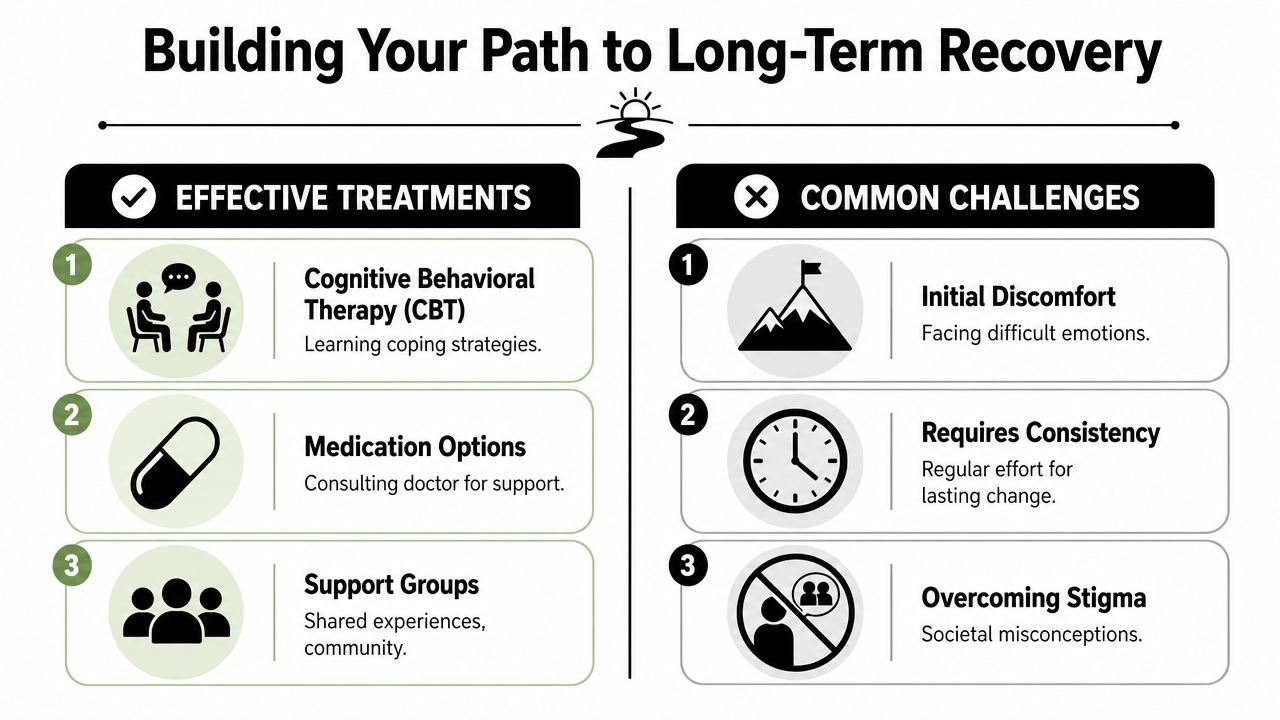
Cognitive Behavioral Therapy, or CBT, is a primary treatment for postpartum anxiety and panic. An overview from the Association for Behavioral and Cognitive Therapies notes that CBT often involves a short-term approach of 12 to 16 sessions, and about one-third of mothers overcome postpartum anxiety and depression symptoms through CBT alone. The same source also states that combining CBT with SSRIs offers greater benefit than either approach by itself, and SSRIs are considered the first-line medication class because of their safety profile during breastfeeding (ABCT postpartum depression and anxiety fact sheet).
CBT helps with very practical problems, such as:
Catastrophic thinking
“My heart is racing, so I must be in danger.”Fear conditioning
“If I go outside with the baby, I might panic and won't cope.”Avoidance
“I'd better stop driving, showering alone, or being by myself with the baby.”
SSRIs can help reduce the intensity and frequency of anxiety symptoms over time. They are not a personal failure. They are one treatment option among several. Benzodiazepines may sometimes be used briefly for acute stabilization, but they are not the long-term solution for panic disorder according to the same ABCT guidance.
Recovery usually isn't one magic fix. It's often a combination of therapy, medical support, and repeated experiences of getting through fear without obeying it.
Some mothers also benefit from simple outside resources that make daily coping feel less lonely, such as Hiccapop's PPD coping tips, especially when they need practical reminders during exhausting weeks.
The daily habits that support healing
Treatment works best when your daily routine stops constantly pushing your nervous system into overload. This doesn't mean creating a perfect wellness plan with a newborn. It means protecting the basics.
Here are the habits that matter most:
Rest where you can
Broken sleep is part of early parenting, but protected rest still helps. If someone can hold the baby for even a short stretch while you sleep, lie down, or sit in silence, take it.Eat before you crash
Going too long without food can make shakiness, dizziness, and irritability feel worse. Simple meals count.Reduce stimulation when possible
Noise, constant scrolling, alarming internet searches, and multitasking can all keep your alarm system revved up.Move gently
A slow walk, stretching, or stepping outside can help discharge stress without overwhelming you.Learn the pattern
Good psychoeducation reduces fear. Structured anxiety learning resources can help you understand what panic is doing and why recovery is realistic.
Not every day will feel better than the last. Recovery often looks uneven. One harder morning does not erase progress. The deeper goal is that your fear becomes less convincing, your body becomes less reactive, and your confidence grows because you've practiced facing the symptoms without surrendering to them.
How Your Partner and Loved Ones Can Be Your Anchor
Panic can make a mother feel isolated even in a full house. The people around her may see tears, pacing, or frantic checking and assume she just needs to relax. That usually backfires. Support works best when it is calm, practical, and consistent.

A partner can become an anchor by lowering pressure, not by trying to “talk her out of it” in the middle of a surge.
What helps during an attack
Useful support is usually simple and steady.
Stay physically calm
Sit nearby. Speak slowly. Keep your voice low.Use grounding language
Say, “I'm here,” “You're safe,” or “This will pass.” Short sentences work better than lectures.Reduce demands
Take the baby for a few minutes if that helps the mother settle safely.Avoid minimizing
Don't say “just calm down” or “you're overreacting.” Panic already feels shaming.
A loved one can also help if the mother fears being by herself after an episode. In that situation, support may include practical reassurance and conversations about anxiety about being alone explained, especially when panic starts linking ordinary moments with danger.
What support looks like between attacks
Support is not only about crisis moments. It also shows up in ordinary tasks.
A helpful partner might make sure there is water by the bed, food available during long feeding sessions, or a plan for who handles the baby after an especially rough night. Families can also help schedule therapy appointments, attend medical visits, or write down symptoms when the mother feels too overwhelmed to explain them.
This matters for partners too. Research has found that 15 to 20% of new fathers report postpartum anxiety symptoms, but less than 5% are ever assessed (review of paternal perinatal anxiety). When one parent is panicking, the other may also start carrying fear internally. Naming that reality helps families work as a team instead of two isolated people under the same roof.
The best support says, “We're dealing with this together,” not “You need to fix this by yourself.”
Clear Signs It Is Time to Ask for Help
Sometimes self-help tools are enough to steady a rough moment. Sometimes they aren't. Reaching out is a sign of judgment and strength.
Ask for professional help if panic attacks are becoming more frequent, more intense, or more disruptive. Also pay attention if you're starting to avoid normal activities because you fear another attack. That might mean avoiding driving, sleep, being alone with the baby, leaving the house, or even taking a shower.
Other signs deserve prompt support:
- Intrusive thoughts that frighten you or feel hard to dismiss
- Checking rituals that take over your day
- Loss of functioning, such as not eating, not resting, or struggling to care for yourself
- A sense that anxiety is stealing your connection to daily life or early motherhood
Start with a clinician you already know if possible. An OB-GYN, midwife, primary care physician, or therapist can help you sort out what's happening and what level of care fits best. Postpartum Support International and the National Maternal Mental Health Hotline are also worthwhile places to start when you need direction.
If you feel emotionally overwhelmed and need immediate high-touch support while you're arranging care, some people also look for services such as executive crisis coaching, particularly when they need rapid stabilization and help making a next-step plan.
If you ever feel at risk of harming yourself or your baby, seek emergency help right away.
You Are Resilient and You Will Feel Like Yourself Again
At 2 a.m., with your baby finally asleep, it can feel as if panic has rewritten your future. Your mind may race ahead and whisper that this will keep happening, that your body is broken, or that calm motherhood belongs to other people.
Those thoughts feel convincing during a panic spiral. They are still symptoms, not predictions.
Postpartum panic attacks are treatable. They do not erase who you are. They are more like a fire alarm that has become too sensitive. Loud, exhausting, and hard to ignore, yes. Permanent, no.
One recovery-focused clinical resource notes that untreated postpartum anxiety may persist for over a year, but with early treatment, full recovery commonly occurs within six months to one year (postpartum anxiety recovery timeline). This information gives shape to the future. Recovery may take time, but it is real, and many mothers get there.
For now, your job is not to feel perfectly calm by tomorrow. Your job is smaller and kinder than that. Take the next step in front of you. Drink water. Text one safe person. Rest when you can. Use the tools that lower the volume of panic, then return to treatment and support again.
This is how healing often works. The fear stops running the whole day. Then it stops shaping every decision. Then one day you notice you went hours without scanning your body, bracing for danger, or wondering when the next wave would hit.
You are still yourself. You may feel shaken, tender, and unlike your usual self right now. Even so, the steady, capable part of you is still there, waiting for your nervous system to settle and for support to do its job.
A panic-free life can feel far away when you are in the thick of it. It is still a life many mothers reach.
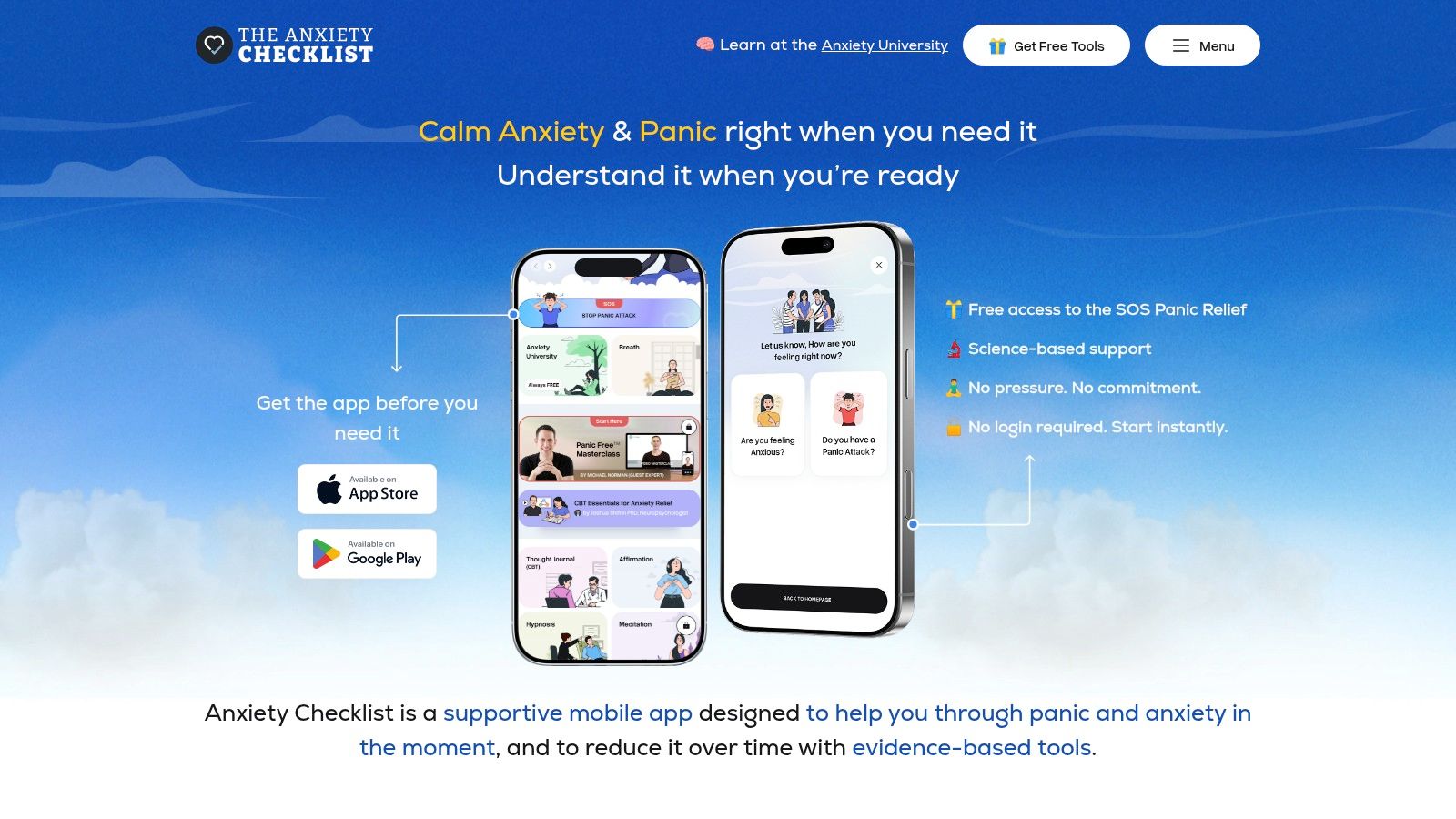
If you want gentle, practical support between therapy sessions or during hard moments, The Anxiety Checklist can help. It offers an always-free SOS mode for real-time grounding, plus guided tools for calming panic, improving sleep, and building long-term recovery skills at your own pace.